Edible Abundance, Minimal Effort
Let’s be honest—not everyone has the time, energy, or desire to be a full-time gardener. But what if you could grow food, support pollinators, and enjoy a beautiful yard without devoting your weekends to weeding and watering? That’s the magic of edible landscaping for the lazy gardener—a low-maintenance, high-reward way to grow your own food and beautify your space.
Whether you’re a busy parent, a working professional, or someone who just prefers lounging in the hammock over hoeing rows, this guide will walk you through easy edible landscaping with set-and-forget plants that practically take care of themselves.
What Is Edible Landscaping (and Why Should You Care)?
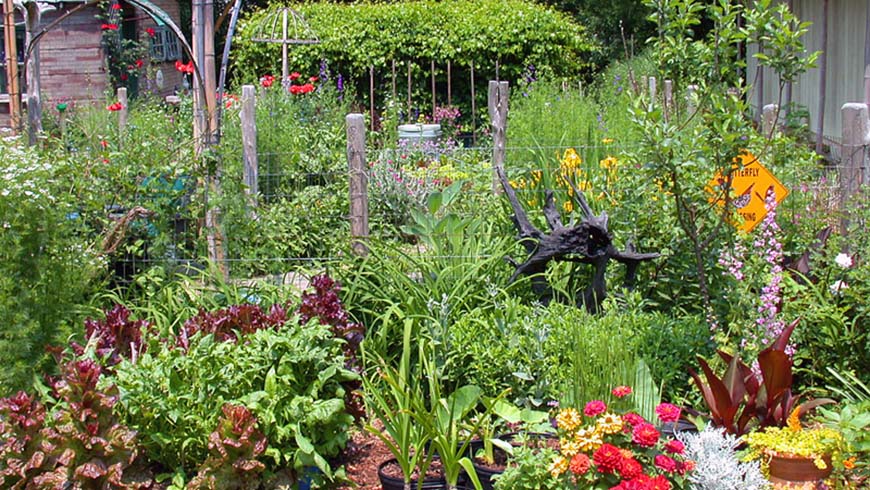
Edible landscaping combines the beauty of ornamental gardening with the productivity of a food garden. Think of it as functional beauty: fruiting shrubs instead of boxwoods, kale in place of coleus, herbs as groundcovers. The best part? You’re not just growing something pretty—you’re growing dinner.
Why it’s great for lazy gardeners:
You don’t need to till, seed, and replant constantly.
Many edible perennials come back year after year.
Once established, these plants are drought-tolerant and pest-resistant.
You can design your landscape to need minimal watering and upkeep.
Lazy Gardener Principle #1: Choose the Right Plants
Low-maintenance edible landscapes start with plant selection. The key is to look for perennials, self-sowing annuals, and tough-as-nails herbs that thrive in your climate and soil with minimal intervention.
Some Interesting Options for Warmer Climates:
Chaya (Tree Spinach) – A tropical leafy green shrub that’s virtually bulletproof once established.
Katuk (Sauropus androgynus) – A perennial salad green that loves partial shade and produces year-round.
Sweet Potato (Ipomoea batatas) – Grows like a groundcover, smothers weeds, and gives you edible greens and tubers.
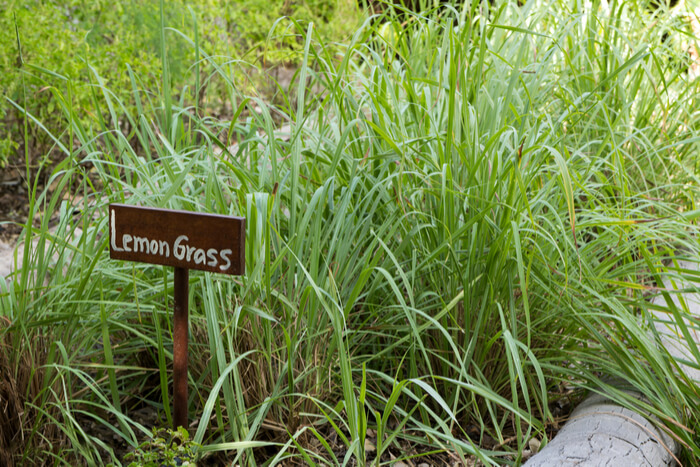
Lemongrass – Beautiful and pest-resistant, plus it smells divine.
Surinam Cherry (Eugenia uniflora) – An attractive, drought-tolerant hedge with sweet-tart fruit.
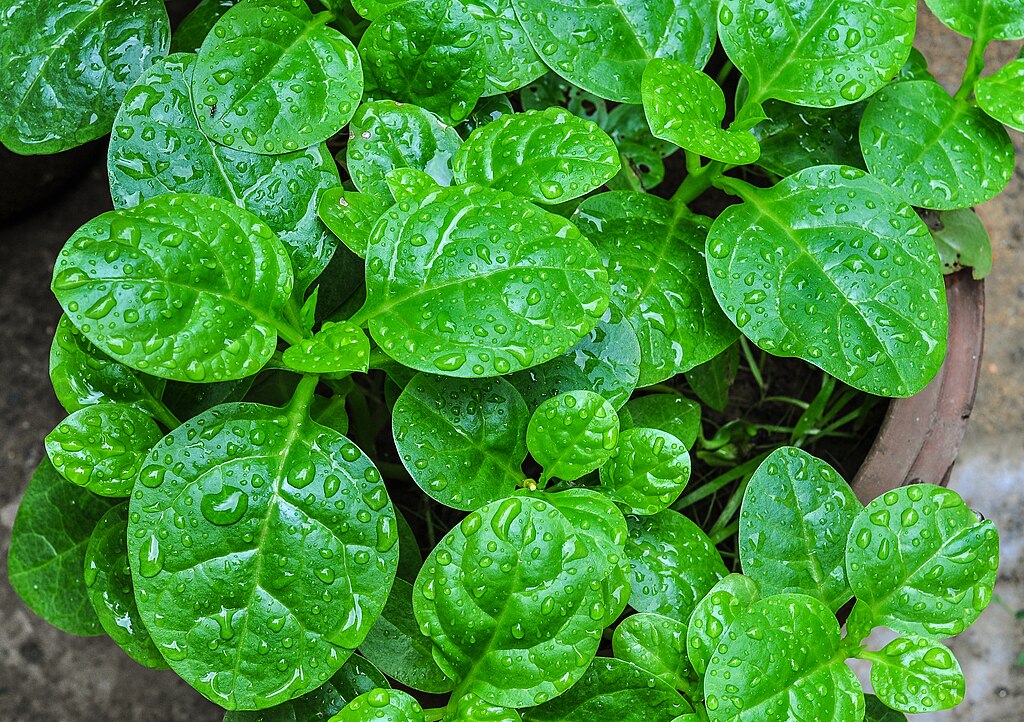
Malabar Spinach – A vining green that thrives in heat and reseeds itself.
Herbs like oregano, rosemary, thyme, and chives – These thrive with neglect and add flavor to meals.
For Cooler Climates:
If you’re gardening in a cooler region, consider these low-maintenance edible crops:
Beans – Easy to grow, quick to harvest, and great for nitrogen-fixing in your soil.
Kale – Cold-hardy and productive; many varieties can survive light frosts.
Carrots – Minimal effort once planted, and they store well in the ground.
🌱 Note: These are annuals, so you’ll need to replant each spring—but that’s typical in cooler climates.
Asparagus – A standout perennial all the way to zone 3! Once established, it comes back every year with minimal effort and provides fresh spears each spring- perfect for any low-maintenance garden!
Bonus Tip:
Go native when possible. Plants adapted to your region need far less care and water than exotic imports.
Lazy Gardener Principle #2: Design for Ease
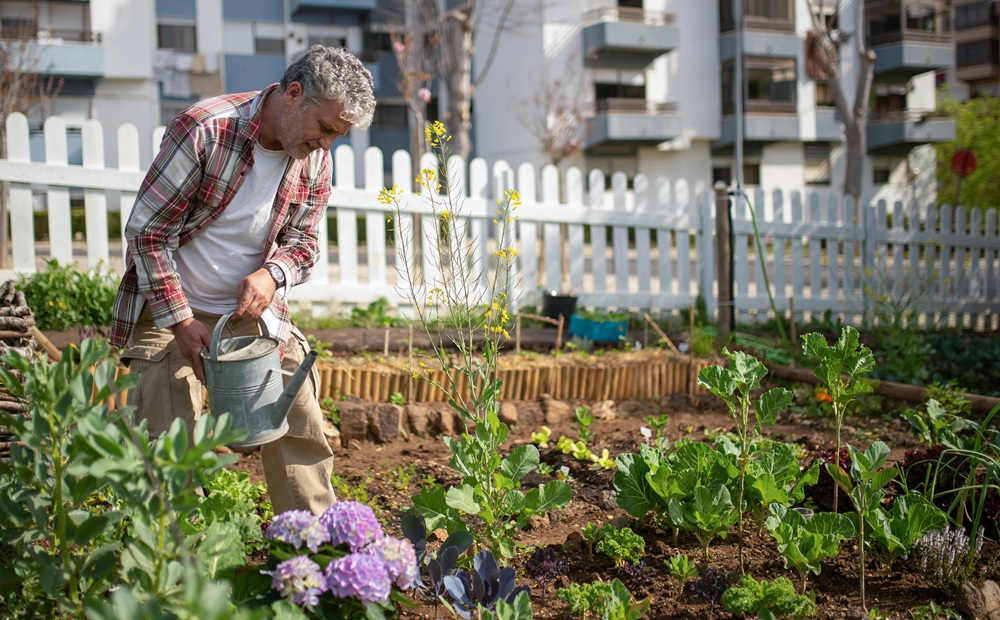
A thriving edible garden doesn’t have to look like rows of veggies. You can mix edibles into traditional landscaping beds, use raised borders, or let some areas go wild with edible groundcovers.
Design Tips for Low-Maintenance Success:
Use mulch—it suppresses weeds, retains moisture, and feeds your soil over time.
Group plants by water needs so you’re not overwatering one to keep another alive.
Plant densely to shade out weeds and create a self-sustaining microclimate.
Use perennials as anchor plants—they require less replanting and create visual structure.
Create pathways or stepping stones to reduce wear and tear on soil and to make harvests easier.
Lazy Gardener Principle #3: Build Healthy Soil (Once)
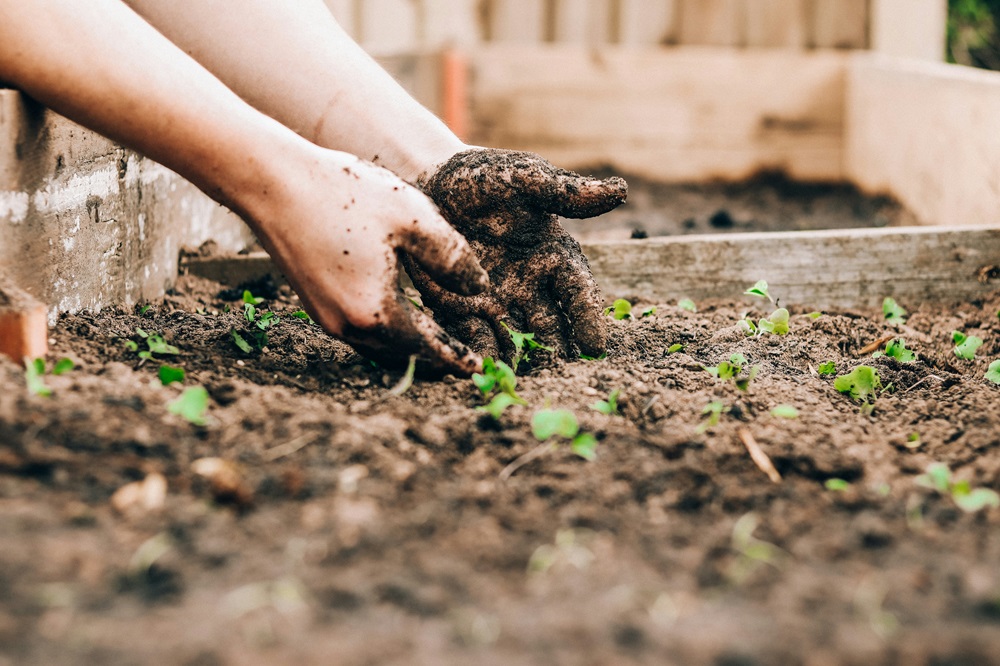
The lazy gardener invests upfront in great soil so they don’t have to fuss with fertilizers or constant feeding later.
Soil-Saving Shortcuts:
Sheet mulch with cardboard, compost, and mulch to create a no-dig bed.
Incorporate compost once a year (or use worm castings).
Grow nitrogen-fixing plants like pigeon pea or clover.
Let the roots of dead plants rot in place—nature’s way of composting.
Remember: healthy soil means less watering, fewer pests, and happier plants.
Lazy Gardener Principle #4: Automate When You Can
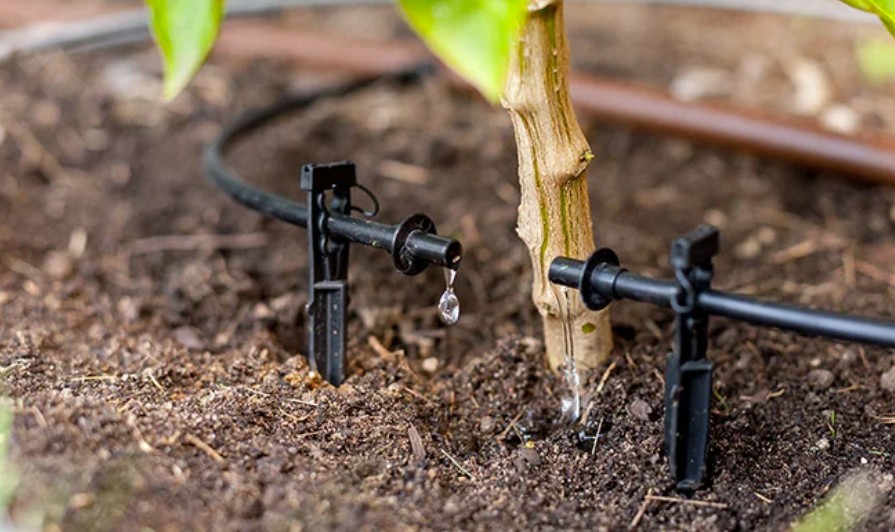
Why water by hand when a simple drip irrigation system or soaker hose can do it for you? With a timer attached, you can forget about watering entirely.
Other time-saving automations:
Use rain barrels to collect water for gravity-fed irrigation.
Mulch heavily to cut down on watering needs.
Grow groundcovers like perennial peanut or sweet potato to reduce weeding.
Lazy Gardener Principle #5: Harvest as You Go
Forget weekly harvest routines. The joy of edible landscaping is that you can nibble as you pass by. Grab some basil for dinner, a handful of katuk or kale for a smoothie, or a cherry tomato to snack on.
Even better? Many of these plants don’t need precise timing for harvest. Pick when convenient—no stress.
Maintenance Tips (Minimalist Edition)
Even the laziest gardener needs to do some upkeep, but these tips will keep it short and sweet:
Water new plantings until established, then let them fend for themselves.
Pull weeds while they’re small (or mulch them into submission).
Prune for shape or airflow, not perfection.
Chop-and-drop: cut old growth and let it compost in place.
Aim for 20 minutes a week of quick upkeep. That’s it.
Common Mistakes Lazy Gardeners Can Avoid
Even low-maintenance gardens can go sideways. Here’s what to watch for:
❌ Planting water hogs like lettuce or celery—skip these or grow in rainy seasons only.
❌ Skipping mulch—this leads to weeds, fast.
❌ Not planning for maturity—tiny fruit trees become monsters; give them room to grow.
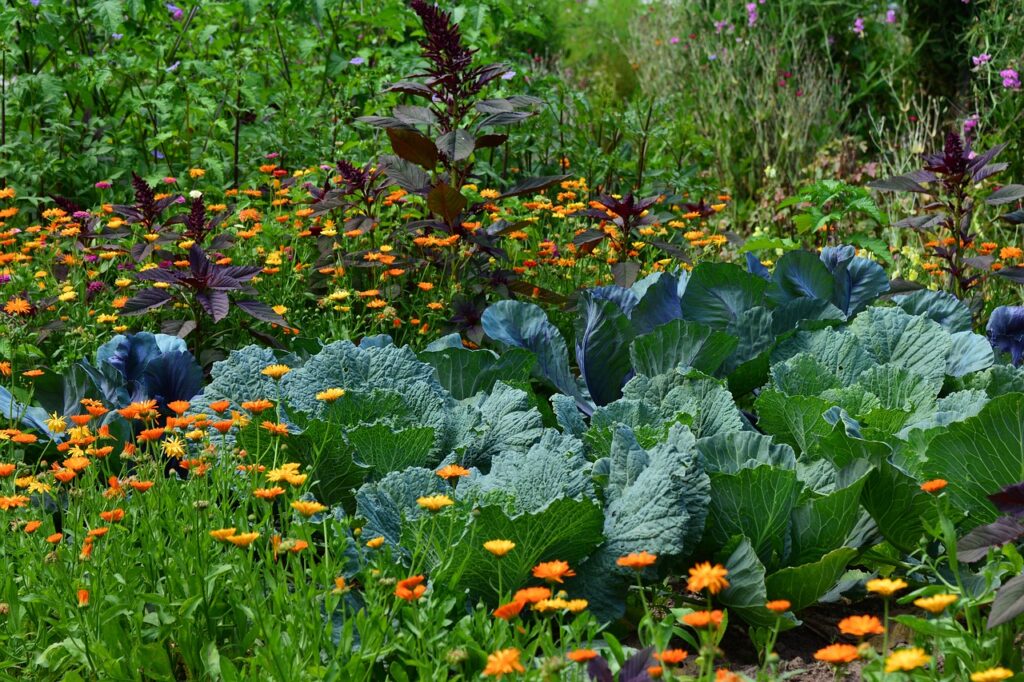
Final Thoughts: A Garden That Grows Itself (Mostly)
You don’t need to be a master gardener to enjoy a productive, edible landscape. With the right plants, smart design, and a “lazy but thoughtful” approach, your yard can be both a feast and a sanctuary—with way less work than a traditional vegetable patch.
So give yourself permission to skip the fussy rows, leave the sprinkler in the shed, and embrace the slow, self-sustaining beauty of an edible landscape that truly works with nature. You’ll be amazed how much abundance comes from doing less.
Want more gardening inspiration? Join the Adventures in Botany Community and connect with fellow plant lovers! Follow us on, Instagram, TikTok, and YouTube for more gardening tips, DIY projects, and nature-inspired content.