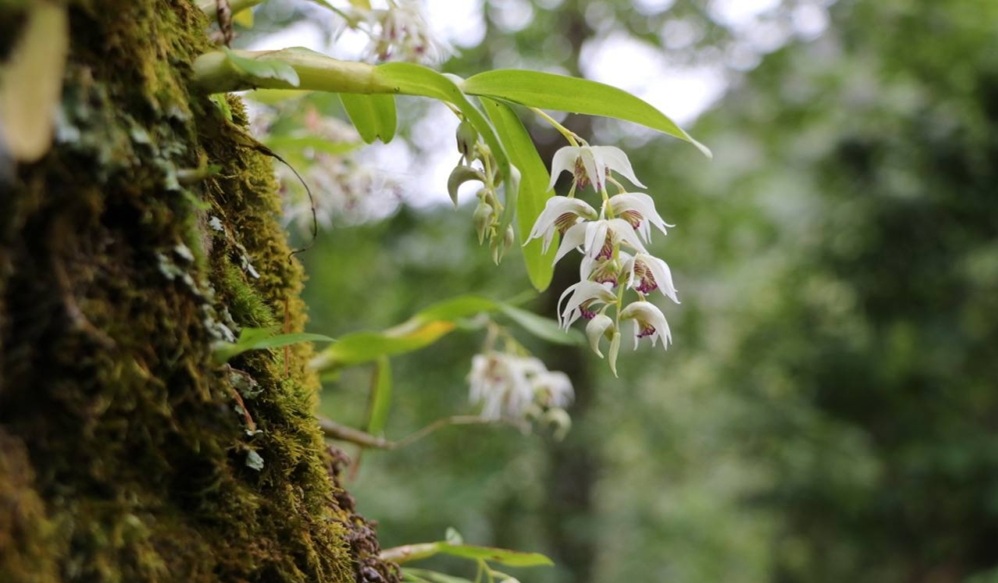
Orchids are known for their beauty, rarity, and variety—but beneath the surface, there’s a secret to their survival that many orchid growers overlook: fungi. Specifically, orchid seeds can’t even begin to grow without the help of a special type of fungus. This fascinating relationship, called mycorrhizal symbiosis, is one of the most unique partnerships in the plant world.
This article, will explain how this partnership works in simple terms, why it matters to both wild and cultivated orchids, and what orchid enthusiasts need to know to grow and support healthy plants.
Why Orchid Seeds Need Fungi to Germinate
Most seeds—think tomatoes or beans—come packed with nutrients to help them sprout. But orchid seeds are microscopic and lack these built-in food reserves. Instead, they rely on fungi in the soil to give them what they need.
This makes orchid seeds dependent on fungi for germination.
The fungus forms a relationship with the orchid seed and helps:
Break dormancy so the seed starts to grow
Provide carbohydrates and nutrients
Establish early root structures (called protocorms)
Without the fungus, the seed remains dormant and eventually dies.
From Seed to Protocorm: The First Stage of Orchid Growth
When an orchid seed successfully breaks dormancy with the help of a fungus, it begins a remarkable transformation. The first visible stage of growth is called a protocorm—a tiny, undifferentiated structure that contains the earliest signs of life. At this stage, the fungus is still actively providing nutrients, fueling development. Over time, the protocorm starts to form root-like structures and a shoot, eventually growing into a recognizable orchid seedling.
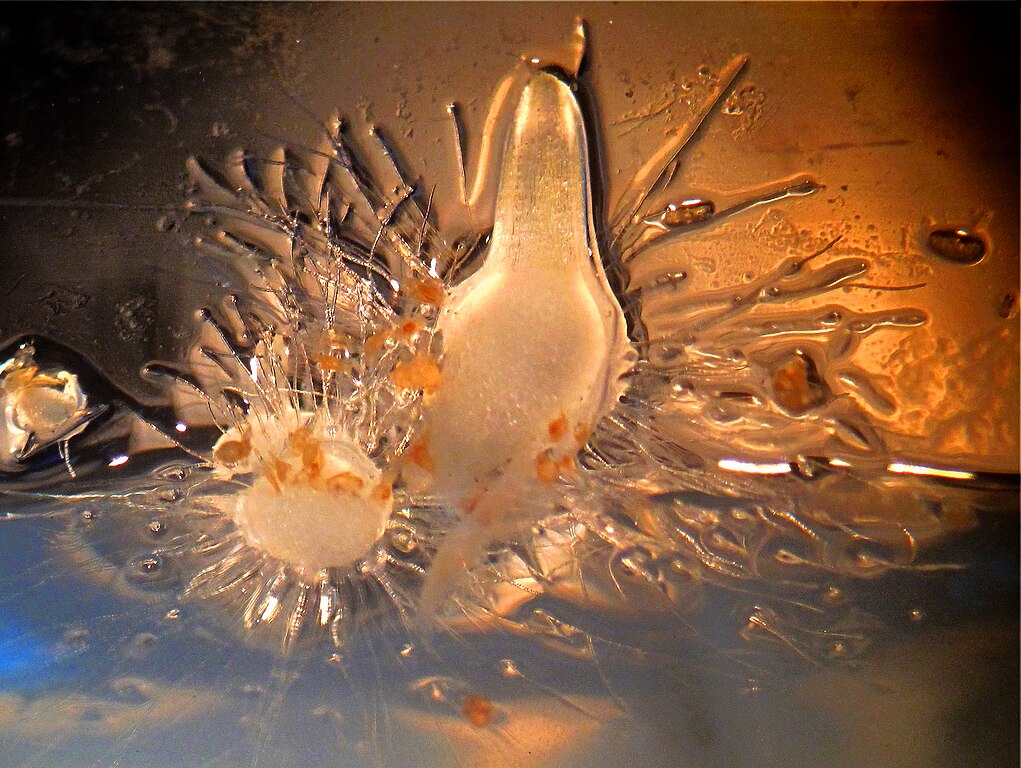
What Is Orchid Mycorrhiza?
“Mycorrhiza” is the scientific term for a symbiotic (mutually beneficial) relationship between a plant and fungus.
In orchids, the most common fungal partners come from the genera Rhizoctonia, Tulasnella, and Ceratobasidium. These fungi colonize orchid roots and provide them with nutrients—particularly in nutrient-poor environments like tropical tree canopies or lava rock slopes.
In return, the orchid eventually supplies the fungus with sugars produced through photosynthesis.
Wild Orchids vs. Cultivated Orchids
In the wild, this fungus-orchid relationship is essential. Orchid seeds land on tree bark, moss, or soil, and must find a compatible fungus quickly to survive.
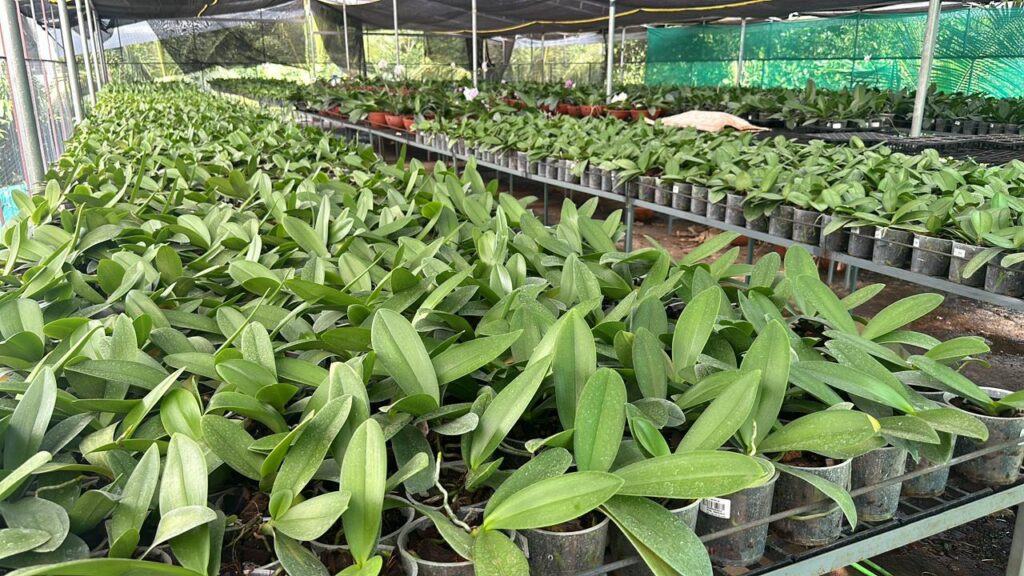
In cultivation, orchid growers can use sterile laboratory conditions and nutrient-rich agar to germinate orchid seeds artificially in flasks—in scientific terms, this is called asymbiotic germination.
However, some growers use symbiotic methods, deliberately introducing fungi into the growing medium to better mimic natural conditions.
How This Impacts Home Growers
If you’re considering growing orchids from seed at home (a rare but rewarding hobby!), understanding this fungal relationship is crucial.
Even if you’re growing orchids from mature plants, here’s what you should know:
Healthy orchid roots often contain beneficial fungi.
Over-sterilizing your potting medium (like baking bark) can kill off good fungi.
Wild-collected orchids may lose fungal partners in captivity and struggle.
Some growers even inoculate their potting mix with beneficial fungi to support root health and better growth.
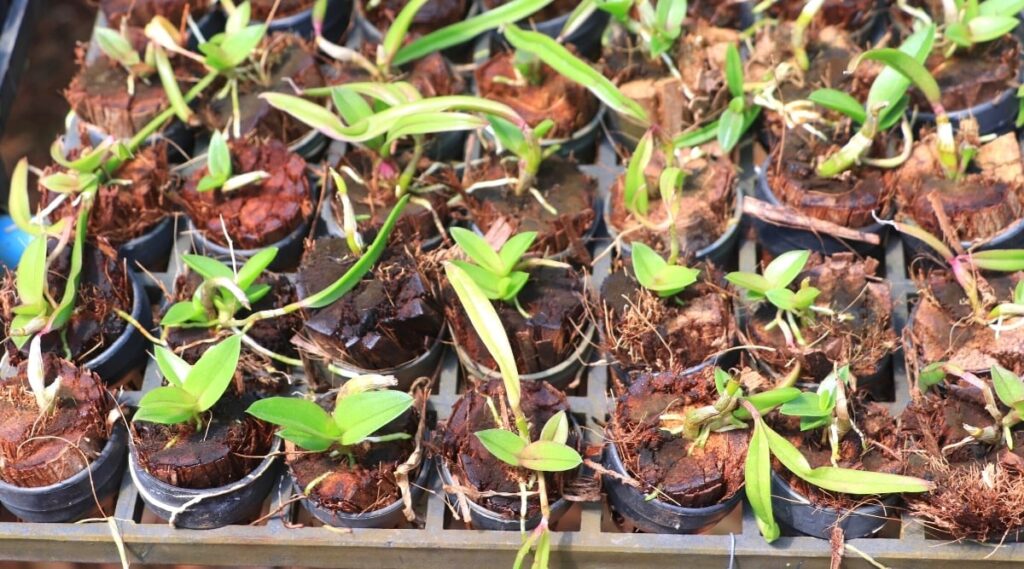
Fascinating Facts
Many orchids can’t survive in the wild without these fungi.
Some orchid species remain partly parasitic for life—never giving back nutrients to the fungus.
Conservationists use fungal symbiosis to help restore endangered orchid species.
Final Thoughts
Orchid lovers are often drawn in by the plants’ looks—but beneath their beauty lies an incredible story of survival, cooperation, and mystery. Understanding the role of fungi in orchid life cycles doesn’t just make you a better grower—it helps you appreciate the complex, delicate ecosystems orchids come from.
Next time you admire an orchid flower, remember: there’s a whole underground network (literally) that made it possible.
Want more gardening inspiration? Join the Adventures in Botany Community and connect with fellow plant lovers! Follow us on, Instagram, TikTok, and YouTube for more gardening tips, DIY projects, and nature-inspired content.