Introduction
Weeds. The word alone often sends a shiver down a gardener’s spine. But what if the same plants you’re pulling out in frustration could actually be helping your garden? It might sound counterintuitive, but not all weeds are villains. In fact, many common garden weeds offer surprising benefits—from feeding your soil to feeding your body.
This guide is here to help you rethink your relationship with weeds. We’ll explore how some weeds can improve soil health, attract pollinators, and even make a tasty addition to your plate. So before you reach for that hoe or bottle of herbicide, read on—you might want to let a few of those “pests” stick around.
What Makes a Weed Beneficial?
A weed is, by definition, simply a plant growing where it’s not wanted. But if we take the time to understand these plants, we can often find value in their persistence and adaptability.
Benefits of certain weeds:
Soil repair: Some weeds pull nutrients from deep underground, helping to remineralize the topsoil.
Pollinator habitat: Flowering weeds can support bees, butterflies, and beneficial insects.
Living mulch: Low-growing weeds shade the soil, reducing water evaporation and suppressing more aggressive plants.
Edibility: Many weeds are packed with nutrients and have been used as food and medicine for centuries.
Edible Weeds You Might Already Have
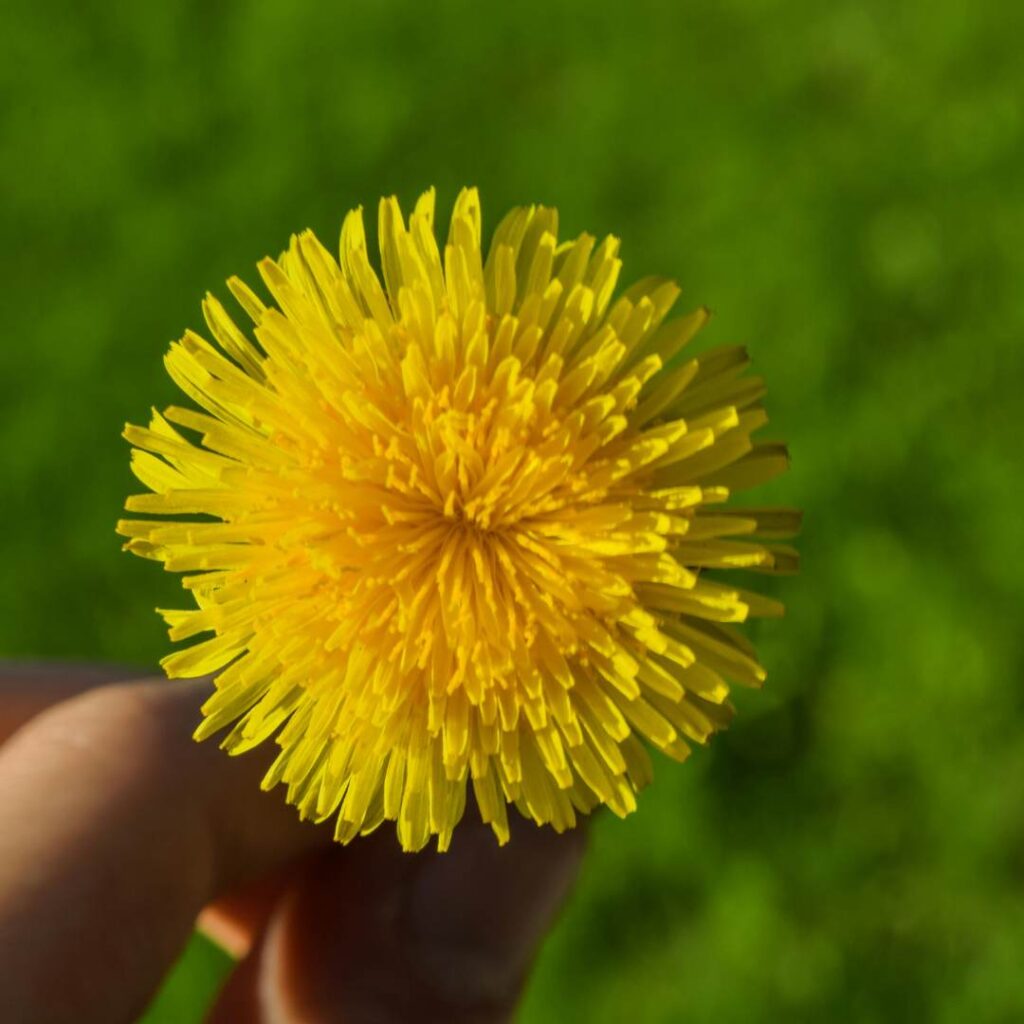
1. Dandelion (Taraxacum officinale)
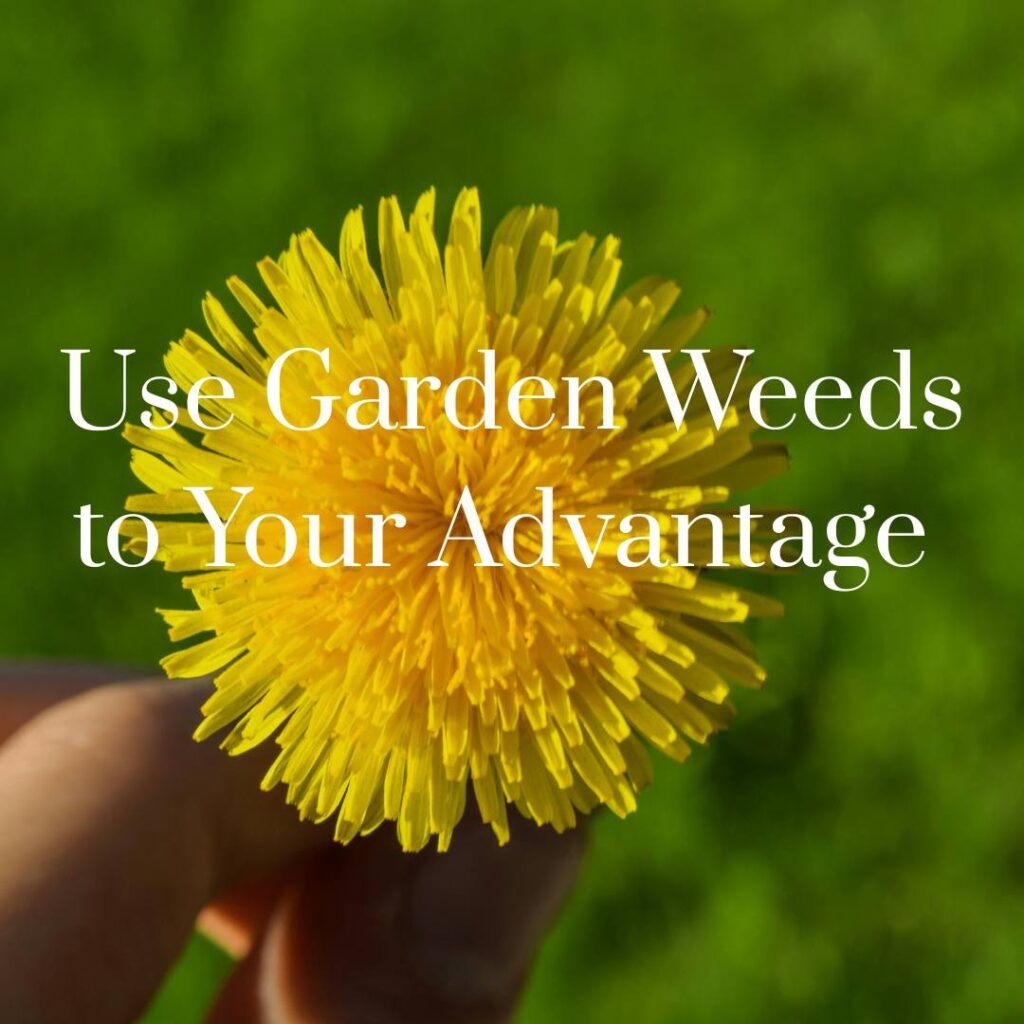
Every part of this common weed is edible. The young leaves are great in salads, the roots can be roasted for tea, and the bright yellow flowers can be made into syrup or wine. Rich in vitamin A, C, and iron.
Tip: Harvest dandelion greens before they flower—they’re less bitter.
2. Purslane (Portulaca oleracea)
A succulent ground cover that loves sunny spots. High in omega-3 fatty acids, purslane adds a lemony crunch to salads and stir-fries.
Bonus: It also acts as a living mulch.
3. Lamb’s Quarters (Chenopodium album)
Sometimes called “wild spinach,” this weed is high in calcium, protein, and iron. The leaves are great sautéed or in soups.
4. Chickweed (Stellaria media)
A delicate little plant with small white flowers. It’s tasty raw or cooked and often used in herbal remedies for skin issues.
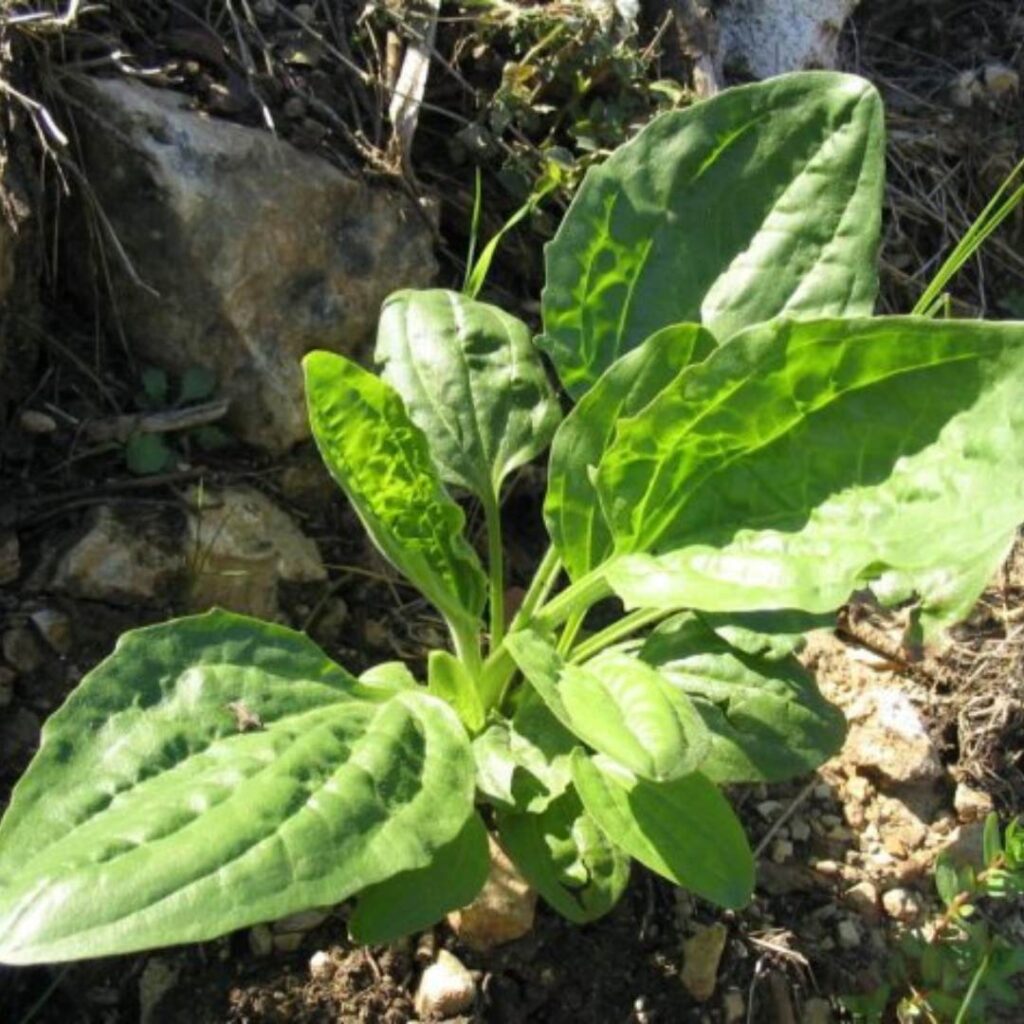
5. Plantain (Plantago major or lanceolata)
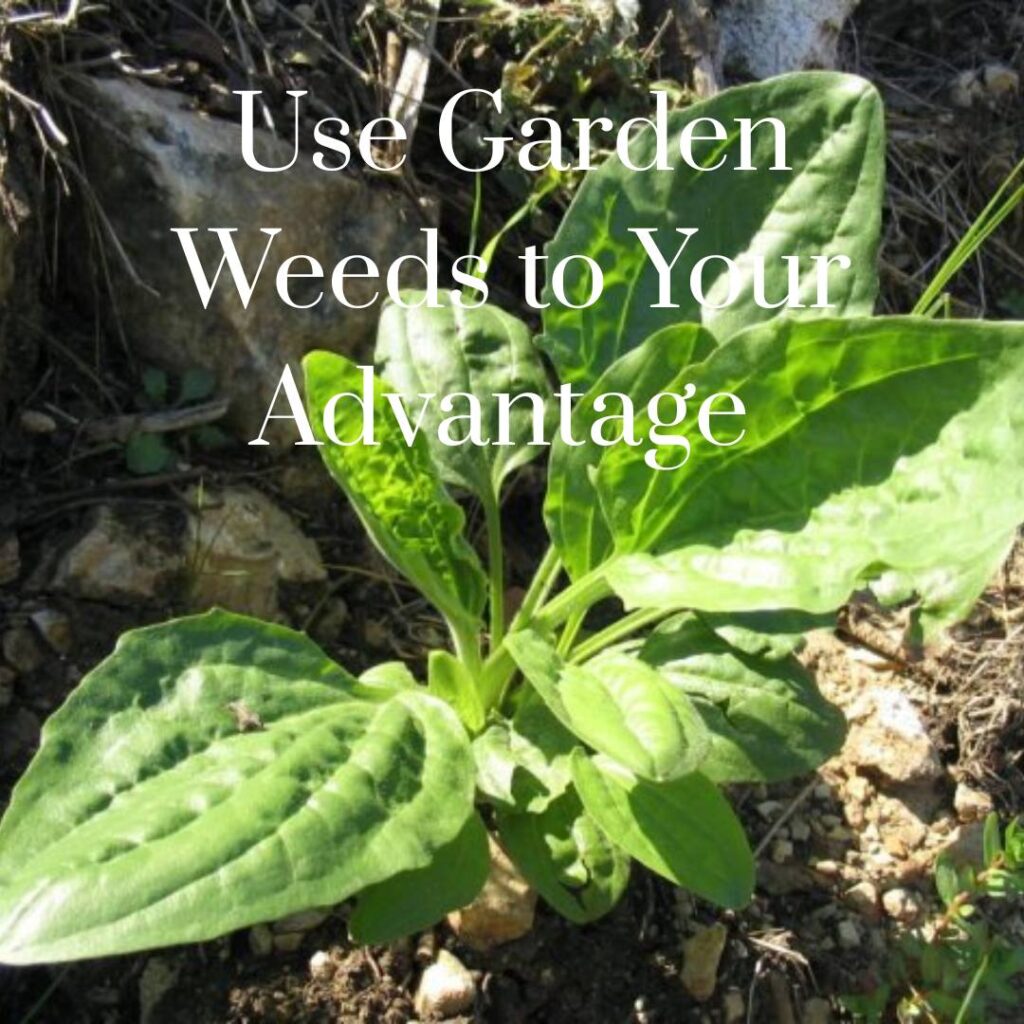
Not the banana! This broad-leaf weed is everywhere. Young leaves can be eaten like spinach, and the plant is famous in herbal circles for wound healing.
Note: Always verify wild plants before eating. Avoid harvesting from areas treated with chemicals or contaminated soil.
Weeds That Help Your Soil
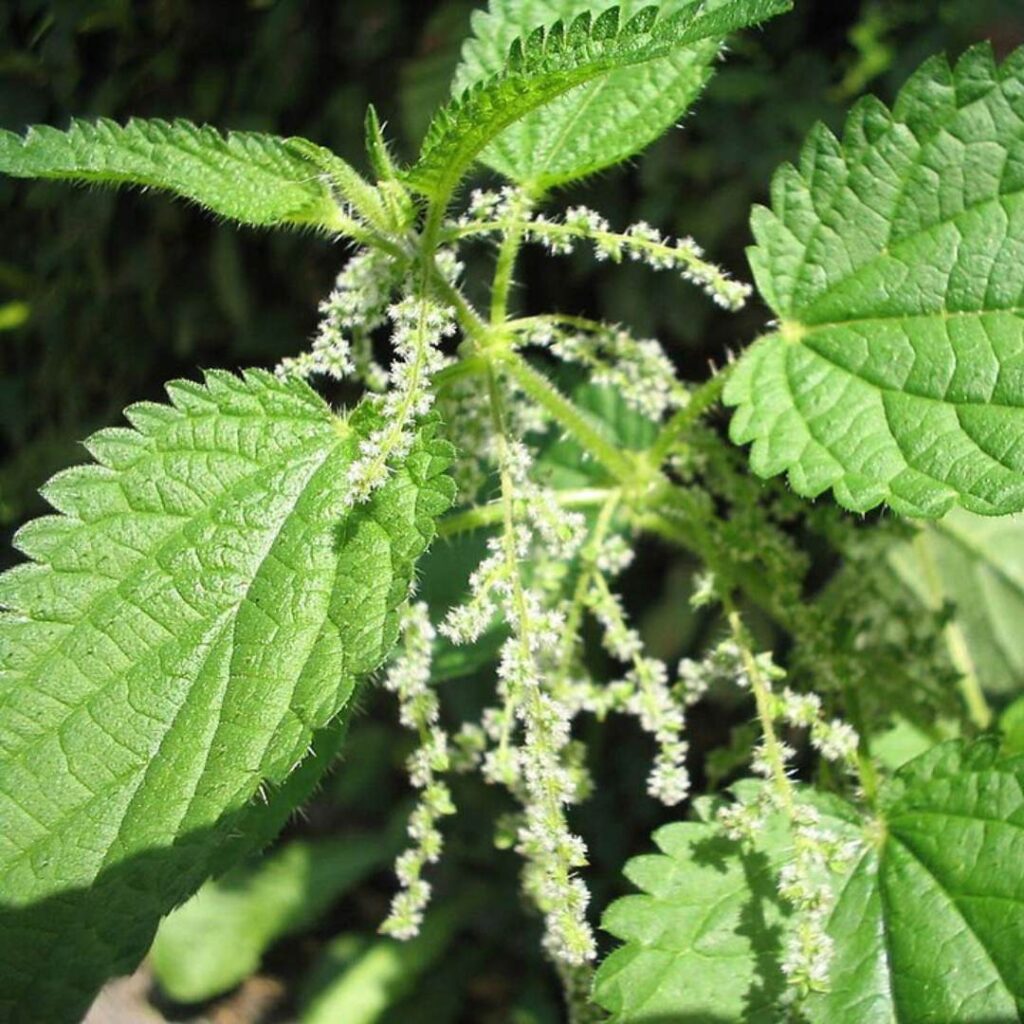
1. Nettles (Urtica dioica)
Known for their sting, nettles are also packed with minerals. They improve soil fertility and can be used to make a high-nitrogen compost tea. Plus they’re a well-known herbal remedy for lung issues.
2. Clover (Trifolium spp.)
This nitrogen-fixer improves soil health and prevents erosion. It’s often intentionally sown as a cover crop.
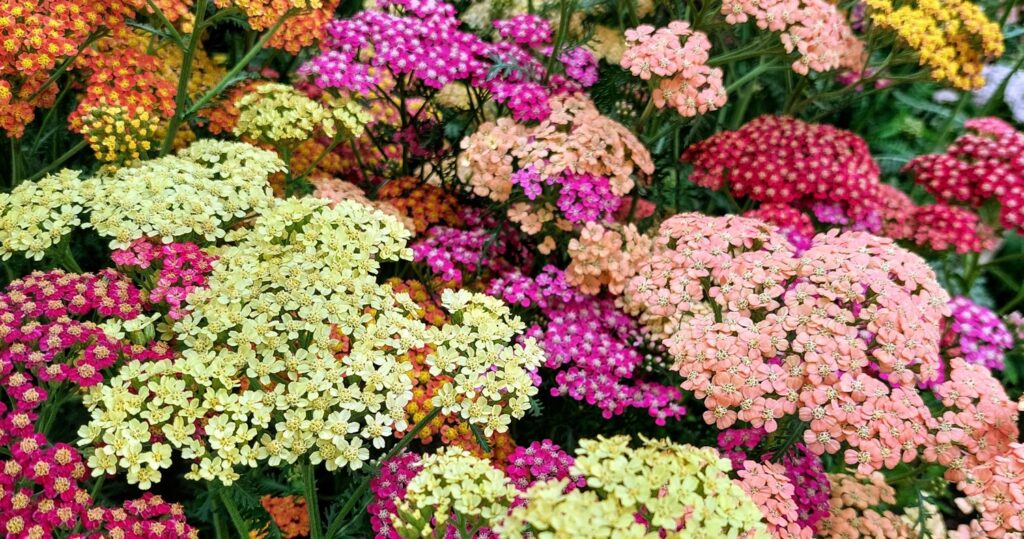
3. Yarrow (Achillea millefolium)
An excellent companion plant that draws in beneficial insects and helps improve soil structure.
4. Vetch (Vicia spp.)
Another nitrogen-fixing weed that boosts soil fertility and suppresses erosion.
Weed Management Tips: Let Some, Remove Others
Selective Weeding: Let the beneficial weeds grow where they don’t compete with crops.
Edge Planting: Allow weeds like yarrow or clover to grow on garden borders for pollinator support.
Harvest Young: Edible weeds are best when young and tender.
Watch the Spread: Some weeds are aggressive. Manage by trimming or pulling strategically.
My Personal Experience With Weeds
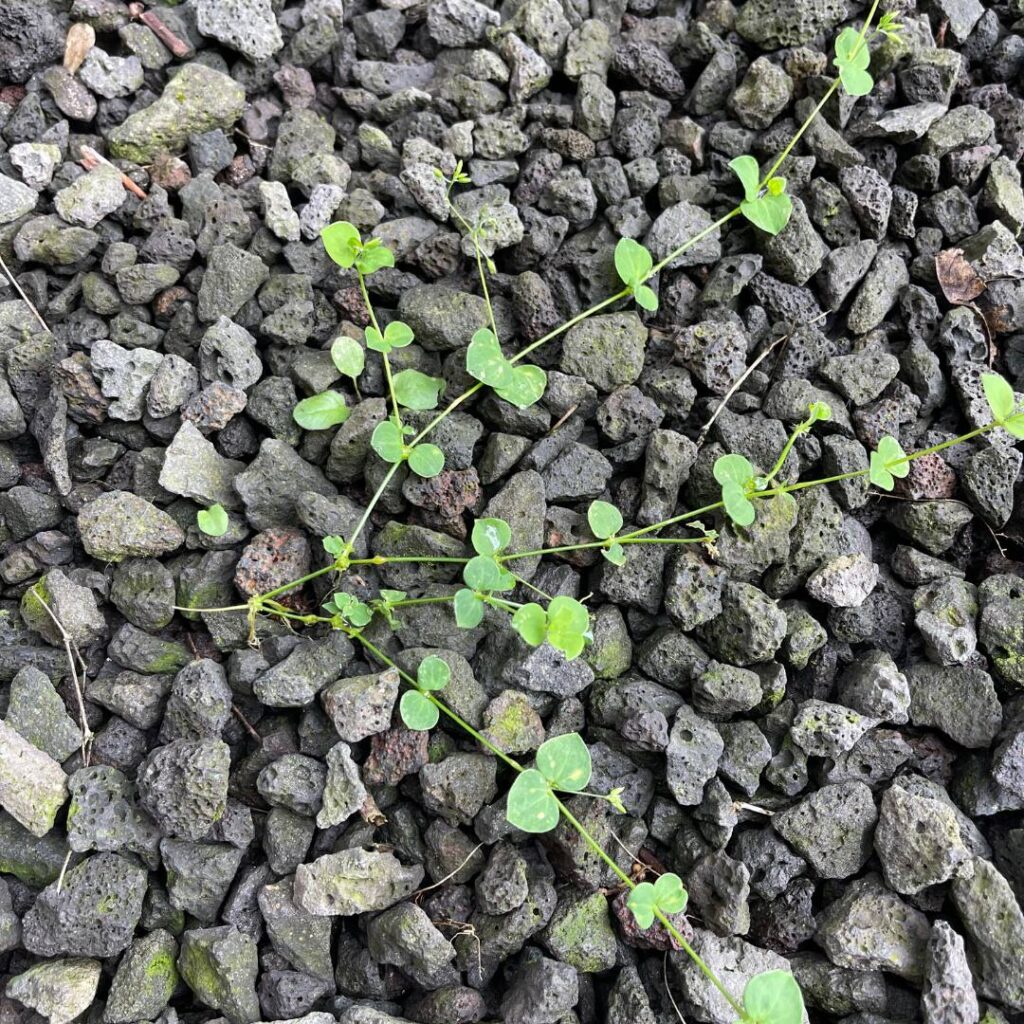
In my Big Island garden, I’ve learned to pick my battles when it comes to weeds. Ponyfoot grows like crazy and takes over my paths, but I’ve mostly accepted it and just manage it where I need to walk. Ginger sometimes pops up in odd spots—it’s technically a weed in those places, but I often dig it up and replant it somewhere more useful. I also get asparagus fern, which looks lush and ornamental, but the thorns are no joke—so I try to keep those under control while they’re still small.
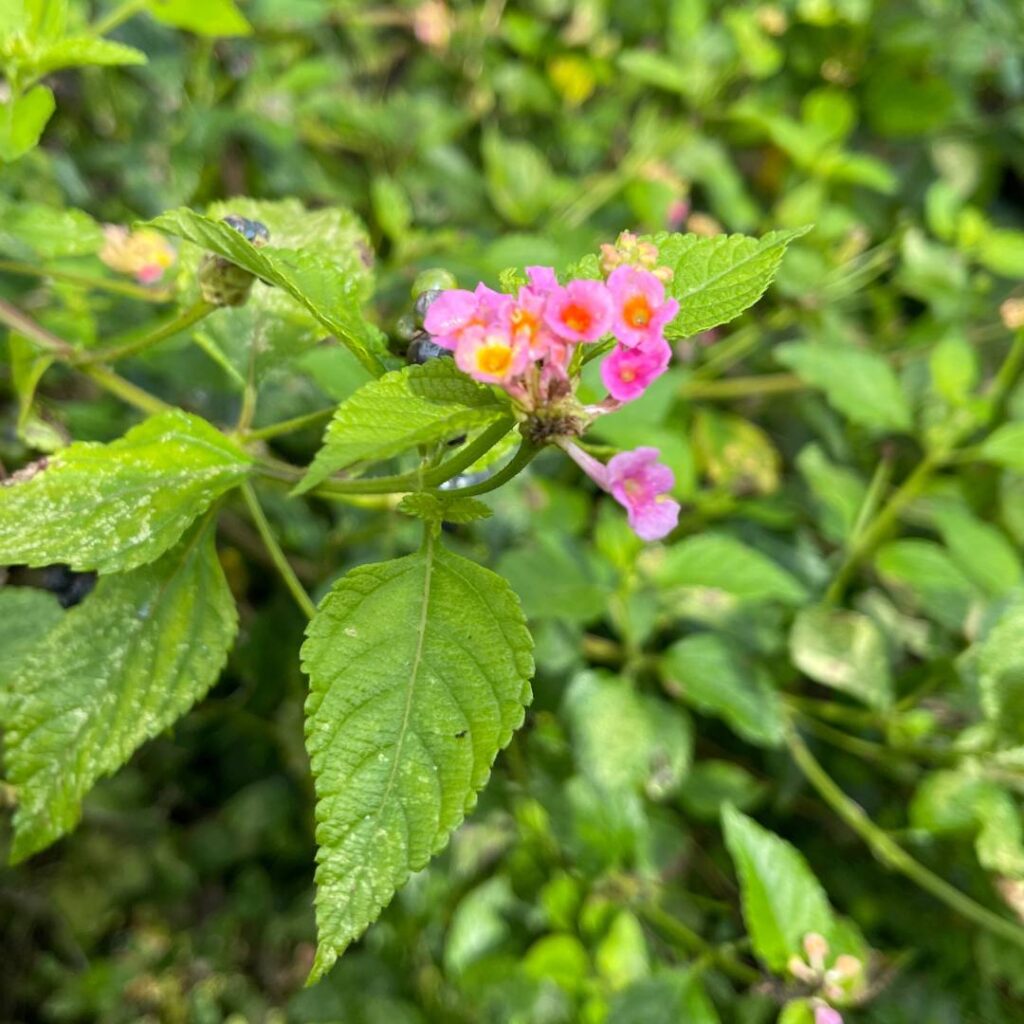
Then there’s lantana and monstera—beautiful, vigorous, and always in need of trimming. I let them grow, but I keep an eye on their boundaries. Even keiki papaya trees pop up in weird corners, and I usually dig them up to share with friends or move them to better spots in the yard. With time, I’ve found a new rhythm: working with nature, not against it.
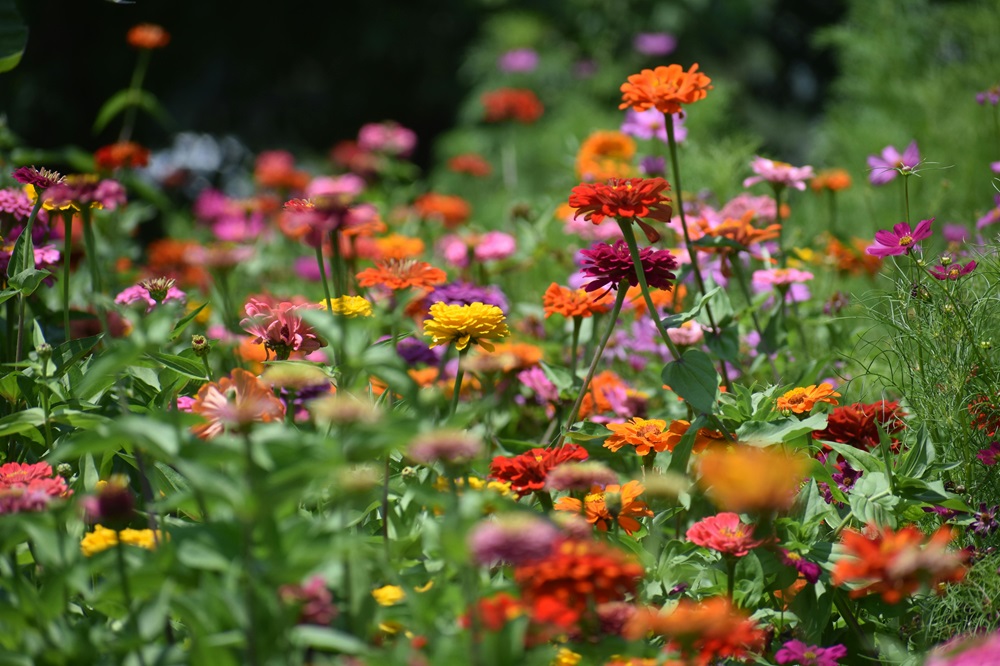
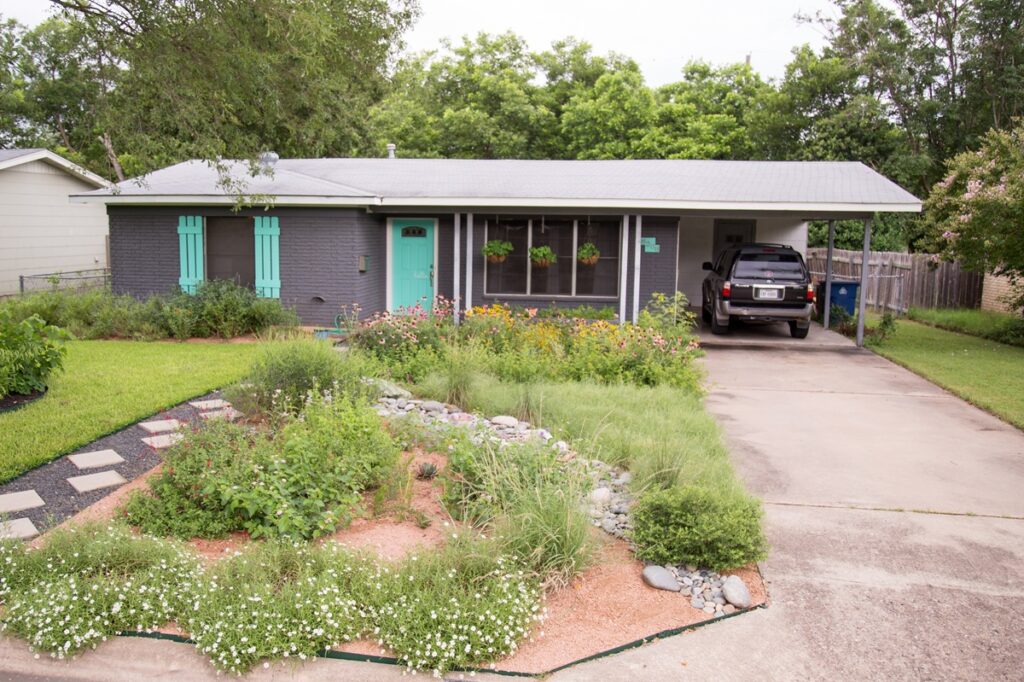
Back in Austin, most of my front yard was full of native flowers that some people might consider “weeds”. But they were great for building soil structure and bringing in pollinators. In the fall and winter, it could look a little rough, but in the spring and summer it was really beautiful. Letting weeds grow isn’t always well-received by neighbors, but I think that’s changing with time.
Final Thoughts
Next time you see a weed sprouting up in your garden, don’t react with frustration—react with curiosity. Could it be edible? Is it enriching your soil? Might it be feeding bees?
Not all weeds are helpful, but many are allies in disguise. With a little observation and knowledge, you can turn your weeding chore into a harvesting opportunity. Embracing beneficial weeds might be one of the easiest—and most surprising—ways to boost your garden’s health.
Want more gardening inspiration? Join the Adventures in Botany Community and connect with fellow plant lovers! Follow us on, Instagram, TikTok, and YouTube for more gardening tips, DIY projects, and nature-inspired content.