Think You Can’t Grow Orchids? Think Again.
If you’ve ever admired the exotic beauty of an orchid but thought, “I could never grow one of those,”—you’re not alone. Orchids have a reputation for being finicky, mysterious, and just plain difficult. But the truth is, not all orchids are high-maintenance divas. In fact, there are several types that thrive indoors, even in cooler climates, and don’t require a greenhouse, misting system, or a PhD in botany to keep alive.
This guide is especially for you if you live in a place with real seasons, want to grow orchids indoors, and are looking for low-stress options to start your orchid journey. Spoiler: I’m not recommending Phalaenopsis.
Why Not Phalaenopsis? (A Common Trap for Beginners)
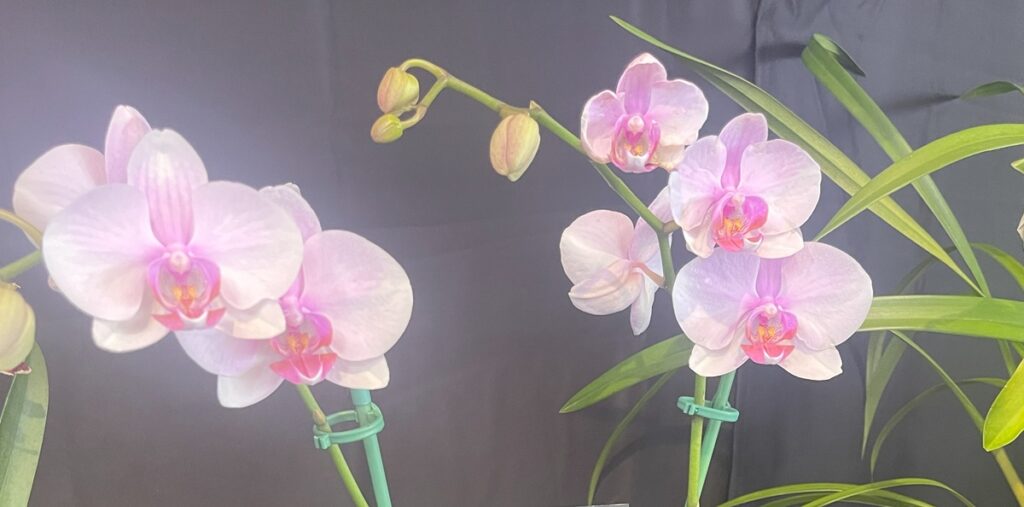
Phalaenopsis, also known as moth orchids, are one of the most commonly sold orchids in grocery stores and garden centers. While they look easygoing at first—and often bloom for months with very little fuss—they can be deceiving. These orchids are surprisingly prone to root rot due to their water-retentive media and love of humidity. Once their roots go, they decline fast. They also don’t tolerate dry air well, making them tricky in homes with forced air heating or winter dryness unless you’re willing to mist or run a humidifier.
In short: Phals seem easy… until they suddenly aren’t. For long-term success, especially in cooler homes without ideal humidity, there are better beginner choices.
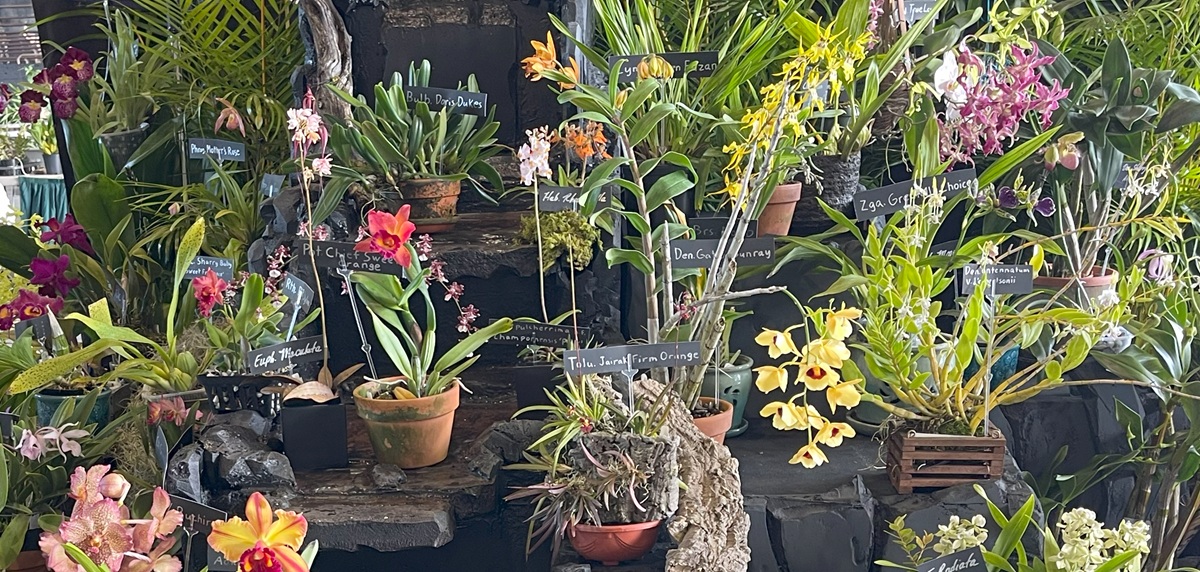
Orchids are one of the most diverse plant families on earth. Whether you live in snowy Maine or the foggy Pacific Northwest, there’s an orchid that can thrive in your space. Let’s meet them.
A Few Great Indoor Orchids for Beginners
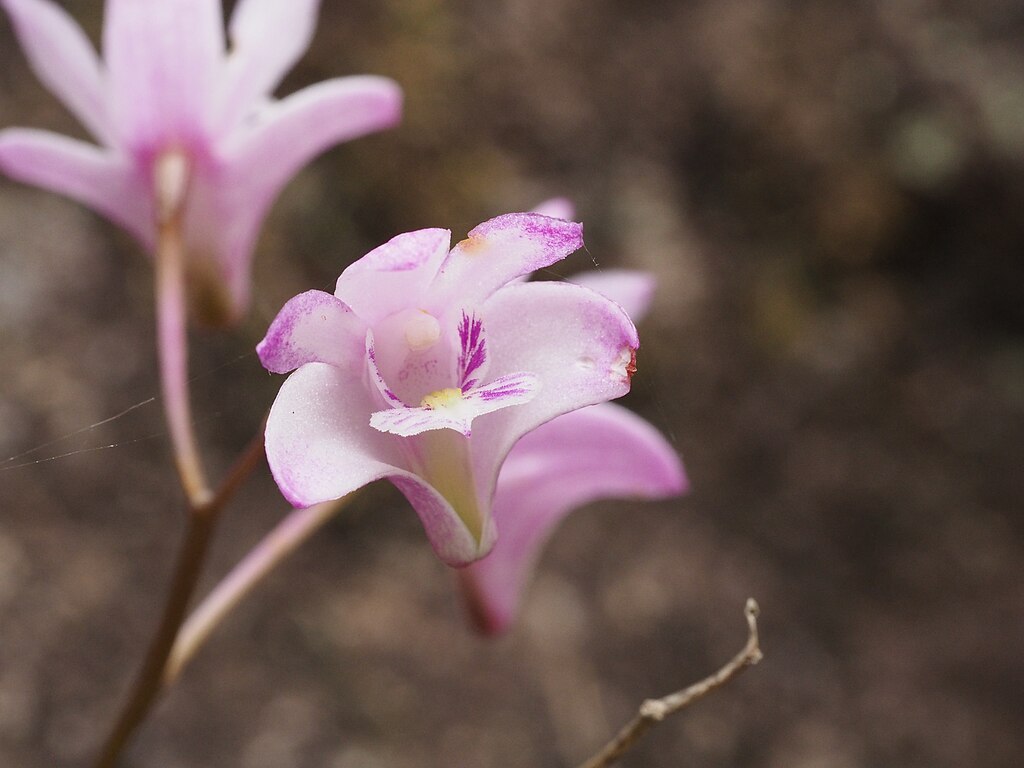
Dendrobium kingianum
Nickname: Pink Rock Orchid
Why it’s great:
Thrives in bright light (even full sun)
Can tolerate cool temperatures and even light frosts
Has beautiful fragrant blooms in spring
Beginner bonus: This one is practically indestructible. It’s native to rocky Australian outcrops, so it can take a bit of drying out between waterings.
Care Tip: Water well, then let it dry out completely before watering again. Enjoys outdoor summers (even in cooler zones!).
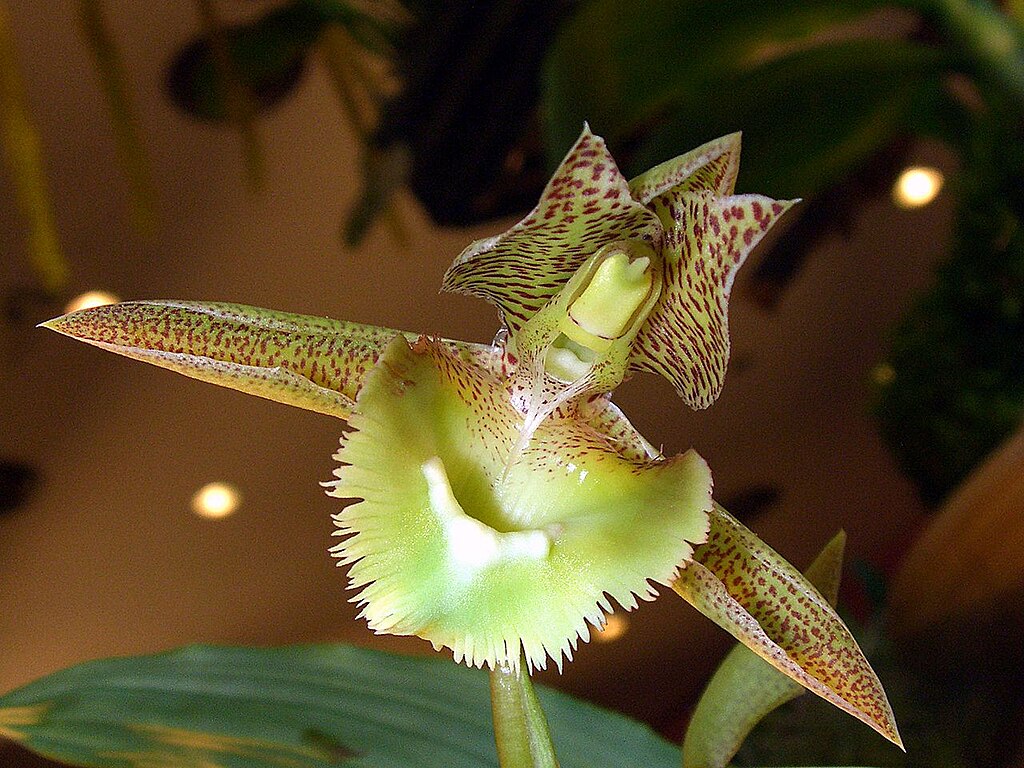
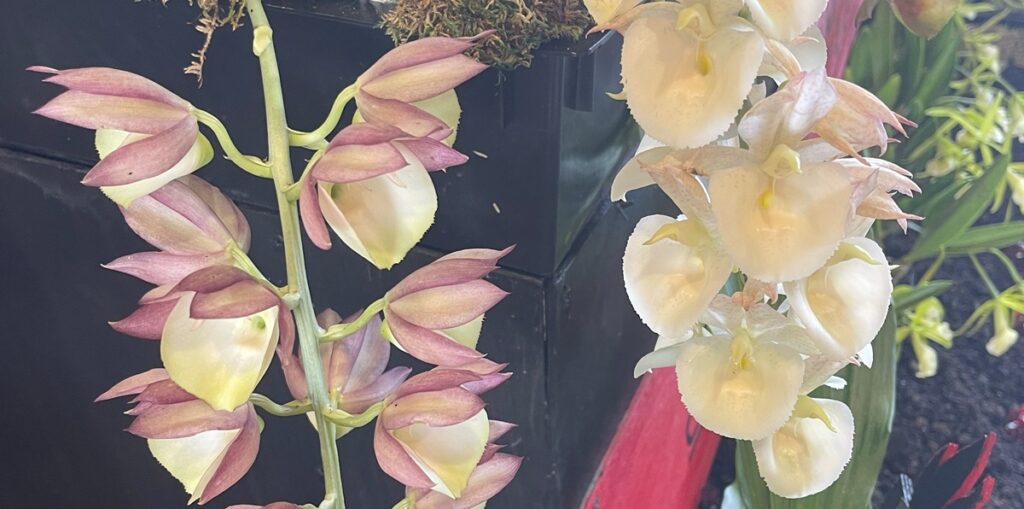
Catasetum Orchids
Nickname: Drama Queens With a Schedule
Why it’s great:
Deciduous: drops leaves and rests in winter, so you don’t water at all then
Explosive growers and bloomers in spring/summer
Tolerant of sunlight and heat
Beginner bonus: They’re dramatic but predictable—follow their cues and they’ll reward you with impressive flowers.
Care Tip: No water while dormant. In growing season, feed generously and water frequently. Grows from large pseudobulbs that store water.
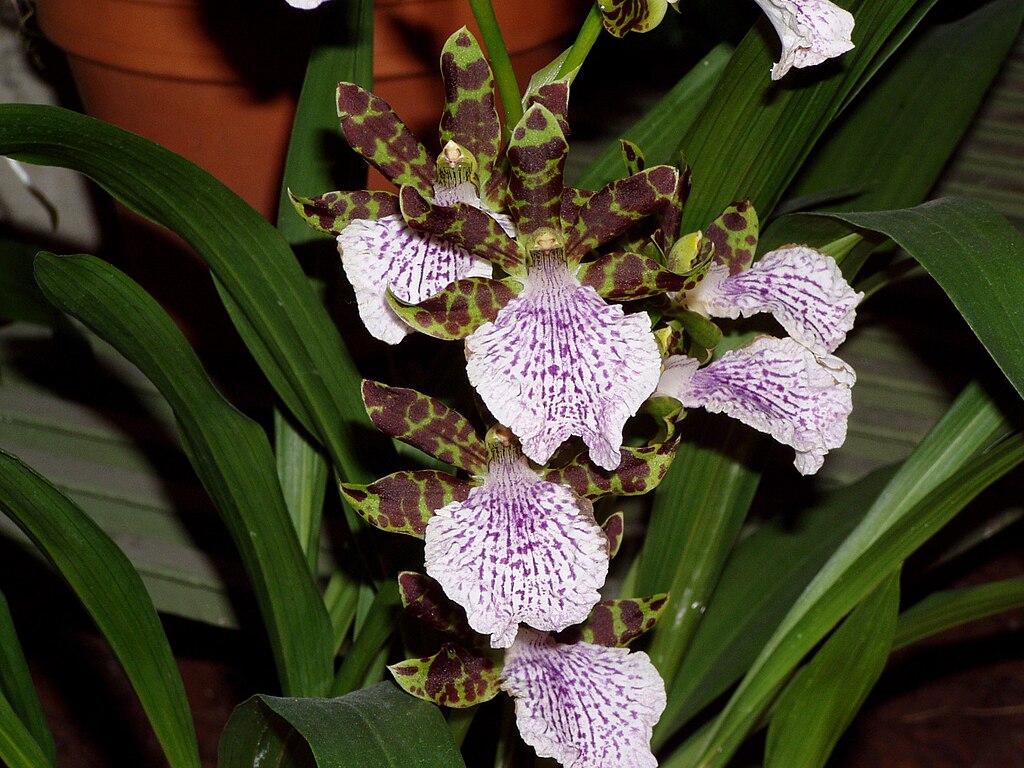
Zygopetalum Orchids (and their hybrids)
Nickname: Cold-Lovers With a Fragrance
Why they’re great:
Prefers cooler temperatures—great for those who live in temperate zones
Extremely fragrant blooms (think: jasmine + hyacinth)
Long-lasting flowers in winter or early spring
Beginner bonus: They’re forgiving if you forget to water once in a while.
Care Tip: Medium light, good drainage, and regular watering. Don’t let them dry out completely.
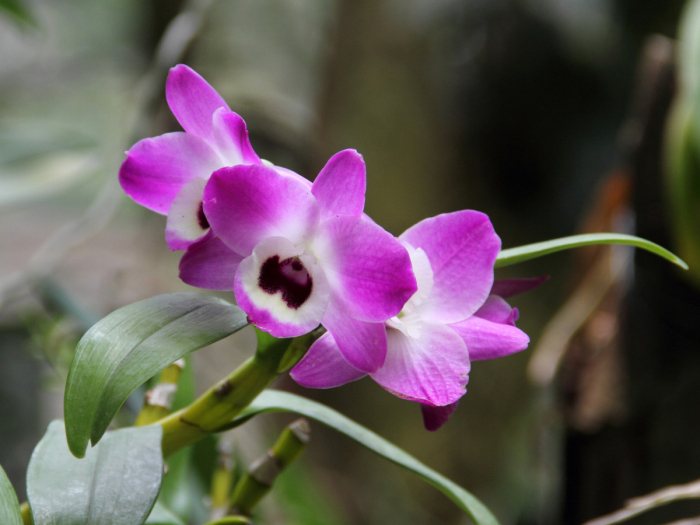
Dendrobium nobile hybrids
Nickname: Winter Stick Bloomer
Why it’s great:
Blooms appear along the bare cane in late winter—like magic
Thrives with a cool, dry winter rest
Can live outside year-round in mild climates
Beginner bonus: You can leave it alone in winter and get rewarded with blooms.
Care Tip: Reduce watering in late fall to trigger blooms. Bright light and a cool spot help encourage flowers.
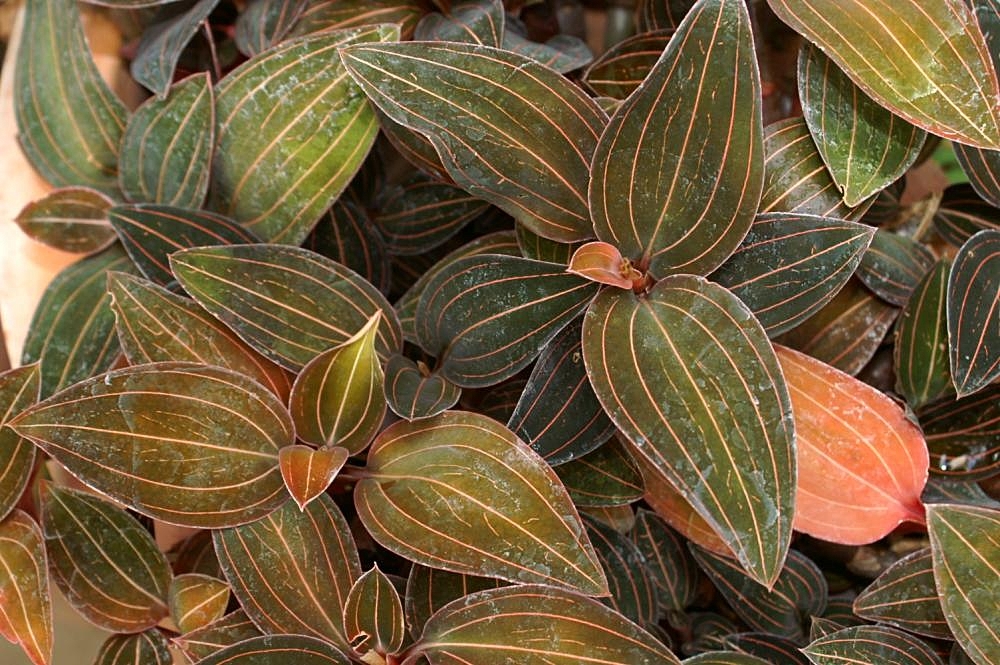
Ludisia discolor (Jewel Orchid)
Nickname: The Foliage Showstopper
Why it’s great:
Grown more for its velvety, dark leaves with pink stripes
Can grow in low light and average humidity
Small white flowers bloom in winter
Beginner bonus: It grows like a houseplant (including actual soil instead of orchid bark!)—no orchid drama here!
Care Tip: Keep in medium to low light, and water when the top inch of soil is dry. This one grows in soil, not bark.
What All Beginner Orchids Need
Whether you choose a tough Dendrobium or a low-light Jewel Orchid, success comes down to a few basics:
✅ 1. Drainage is Non-Negotiable
Use orchid bark or well-draining soil. Never let roots sit in water.
✅ 2. Light = Life
Most orchids need bright indirect light—think east-facing windows, or filtered light in a south-facing spot.
✅ 3. Less is More With Watering
Overwatering kills more orchids than underwatering. When in doubt, wait a day.
✅ 4. Air Circulation Helps Prevent Rot
A small fan or occasional window breeze keeps your orchid healthy.
✅ 5. Feed Occasionally
Use a balanced orchid fertilizer during the growing season, diluted to half strength.
But… What If I Kill It?
That’s okay. Even experienced growers lose orchids sometimes. The goal isn’t perfection—it’s learning.
Orchids are amazing teachers. They’ll show you what they need (wrinkled leaves? Not enough water. Mushy roots? Too much!). Pay attention, and you’ll become a better plant parent in the process.
Final Thoughts: You’ve Got This
You can grow orchids, even if you’ve failed before. The trick is starting with varieties that match your home, habits, and comfort level.
Choose one or two from this list, give them good light, and don’t overwater. That’s 90% of the battle.
Remember: orchid growing isn’t a high-stakes performance—it’s a relationship. And like all good ones, it gets easier over time.
Want more gardening inspiration? Join the Adventures in Botany Community and connect with fellow plant lovers! Follow us on, Instagram, TikTok, and YouTube for more gardening tips, DIY projects, and nature-inspired content.