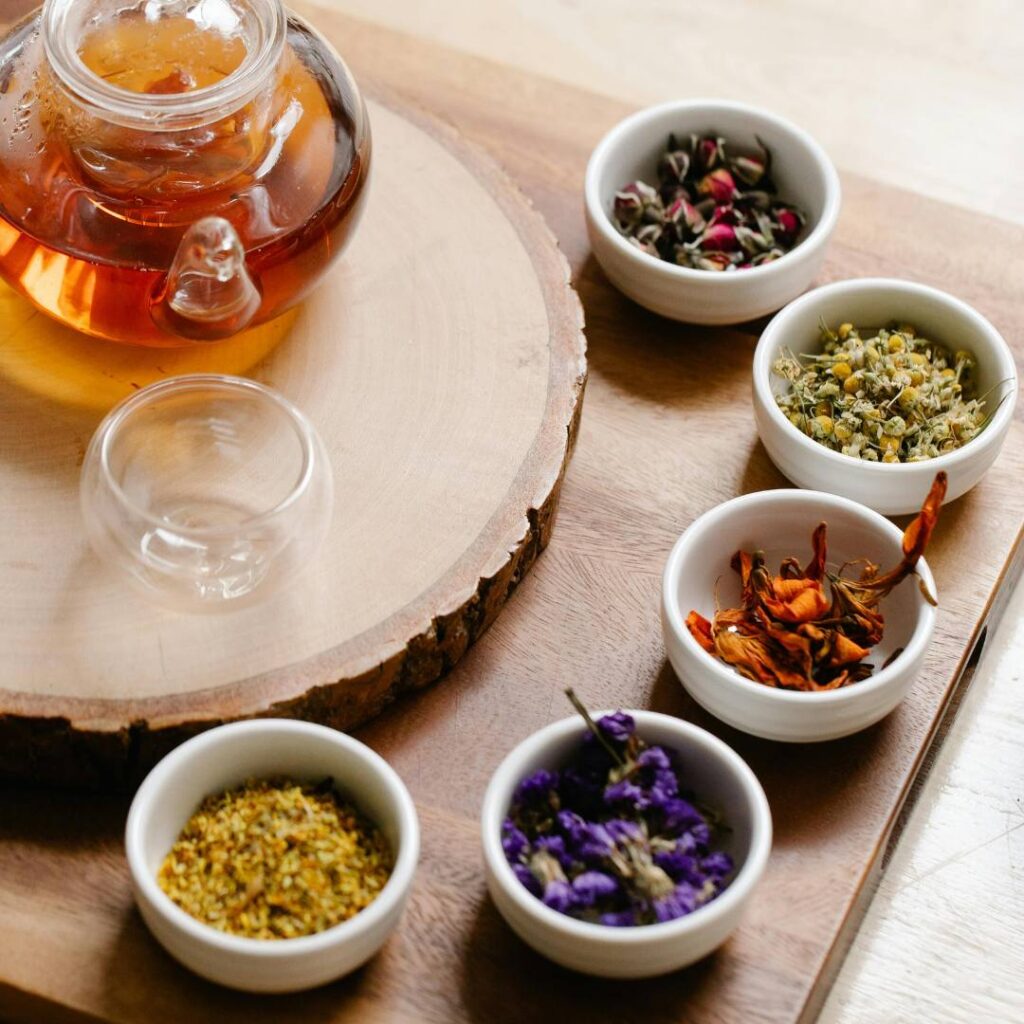
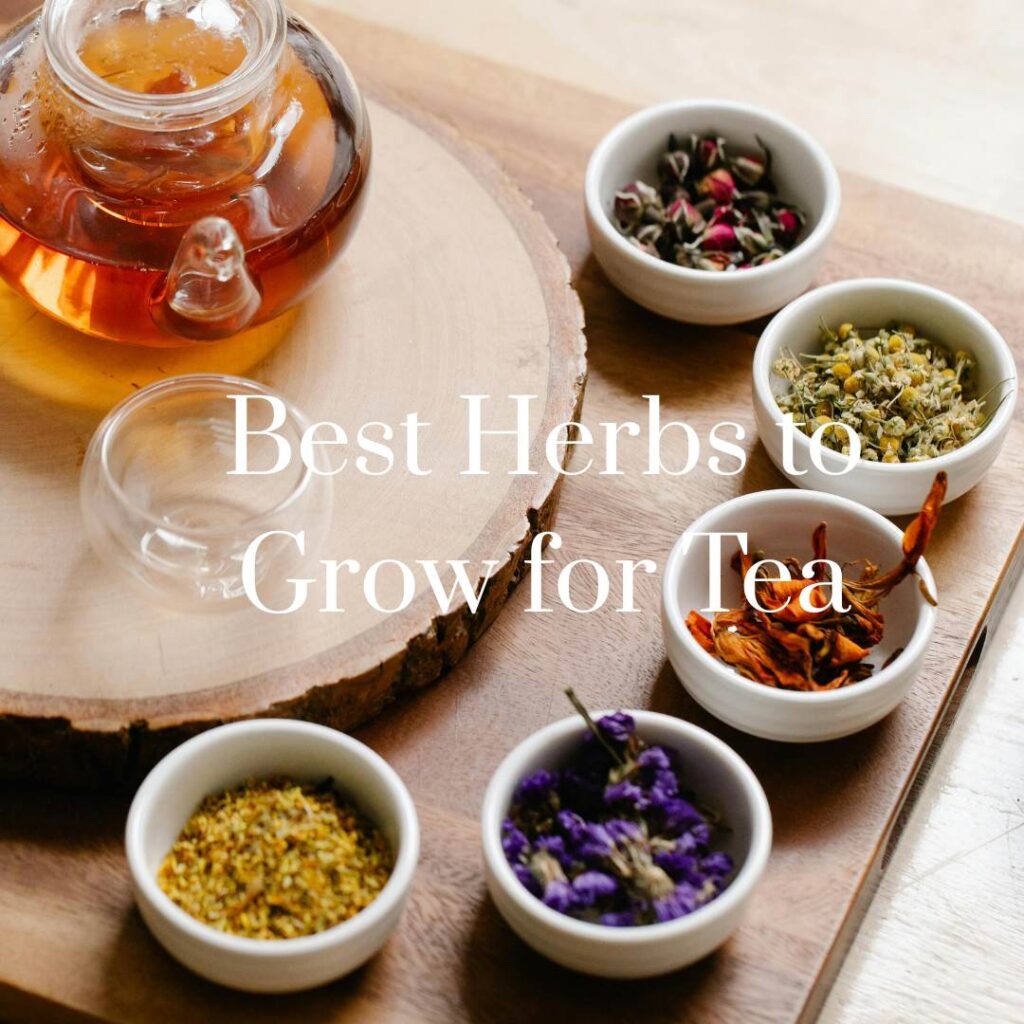
Imagine walking out to your garden, picking a few leaves, and brewing a fresh cup of herbal tea—it doesn’t get more soothing than that. Growing herbs for tea is easy, rewarding, and saves money over time. If you have a full herb garden or just a few pots, there are plenty of delicious and medicinal herbs to try.
In this guide, we’ll go over the best herbs to grow for tea, how to grow and harvest them, and tips for drying and blending your own custom brews.
Why Grow Your Own Tea Herbs?
Freshness and flavor: You can’t beat the taste of freshly picked herbs
Health benefits: Many tea herbs support relaxation, digestion, and immunity
Save money: Store-bought teas can get expensive!
Eco-friendly: Reduce packaging waste
Top Herbs to Grow for Tea
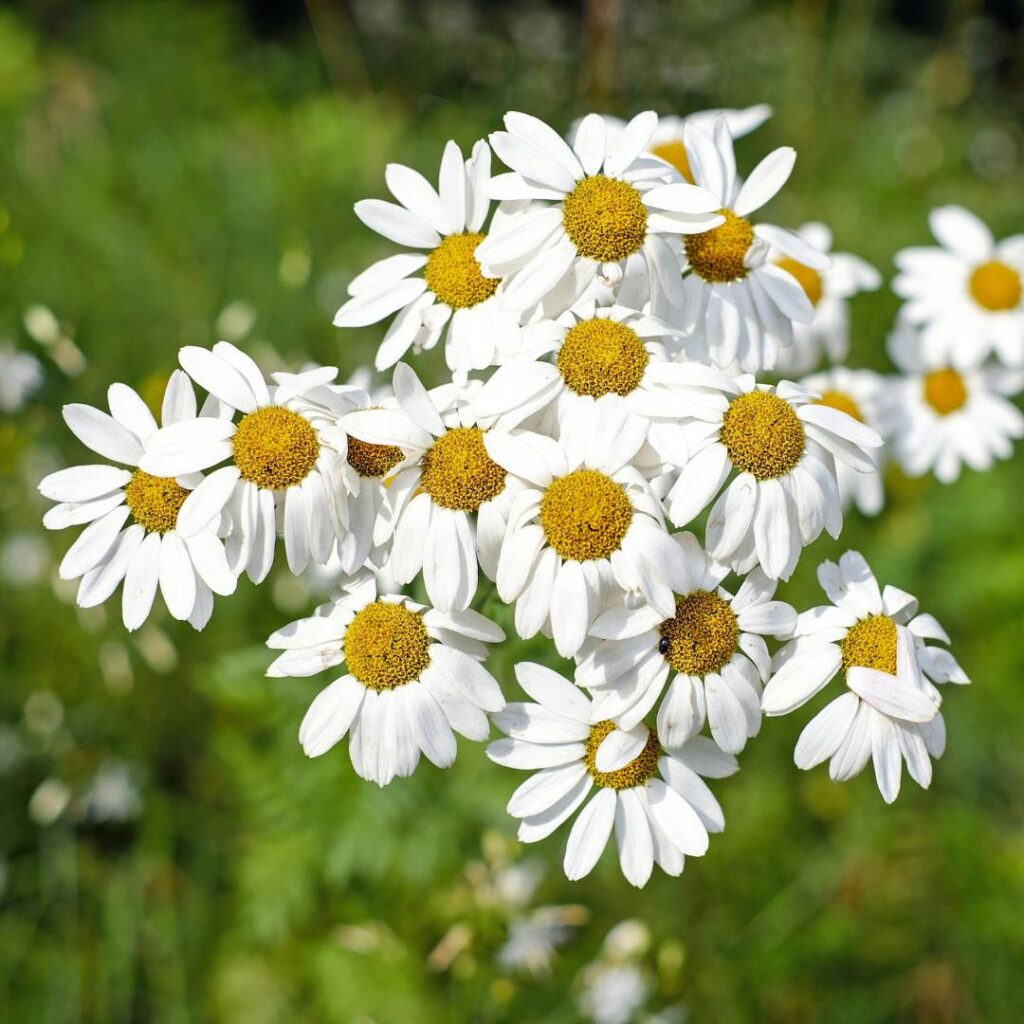
1. Chamomile
Flavor: Light, floral, calming
How to Grow: Prefers full sun and well-drained soil
Harvest Tip: Pick flowers when fully open
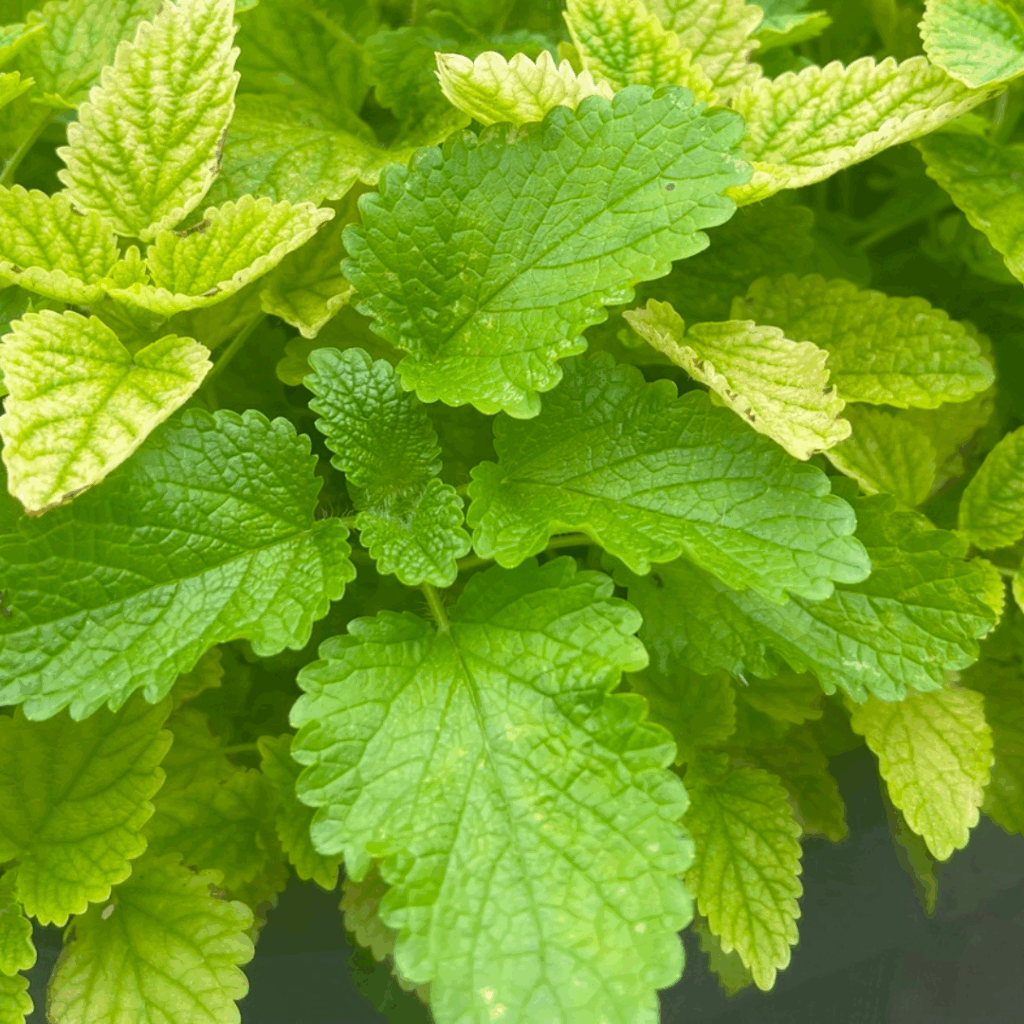
2. Lemon Balm
Flavor: Citrusy and minty
Benefits: Calming, helps with anxiety and digestion
Tip: Grows easily and spreads, so container growing works well
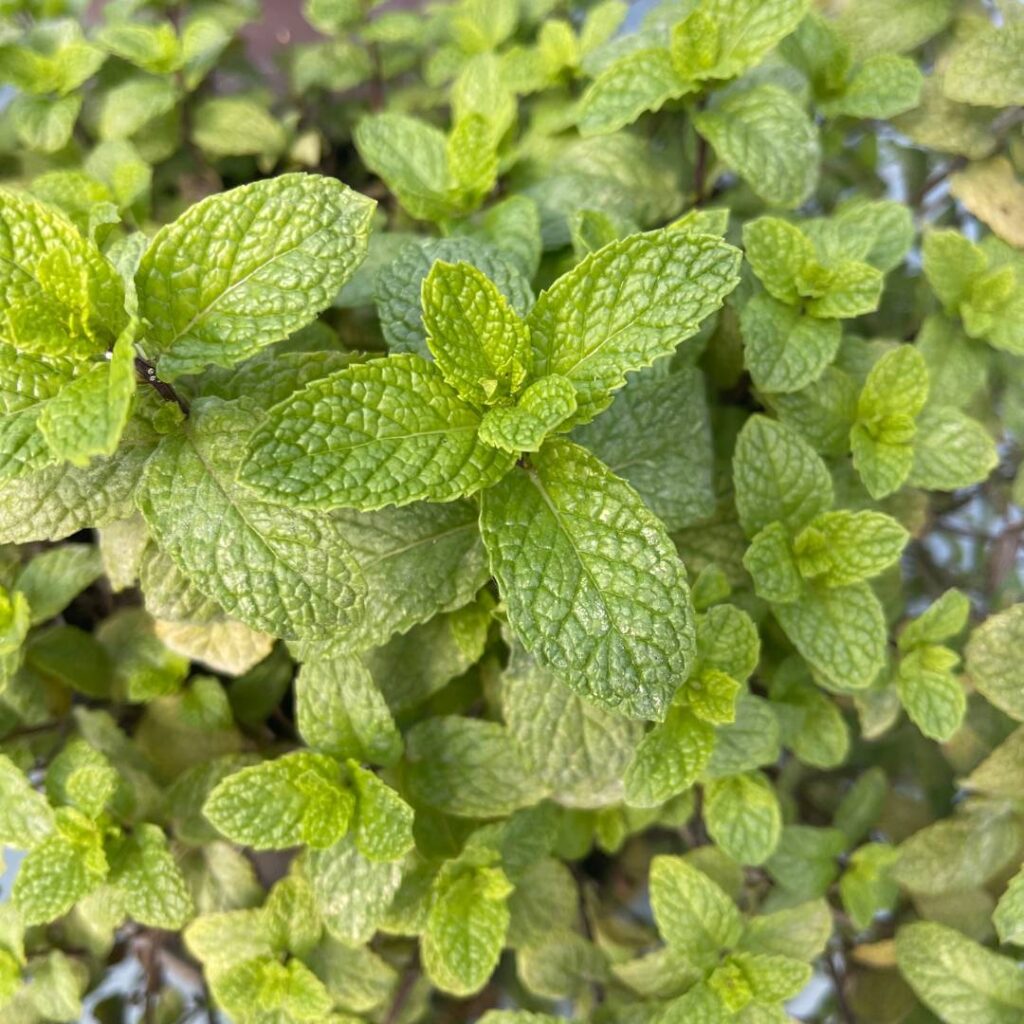
3. Peppermint & Spearmint
Flavor: Cool and refreshing
Use: Great for digestion and mental clarity
Note: Invasive in gardens—contain in pots
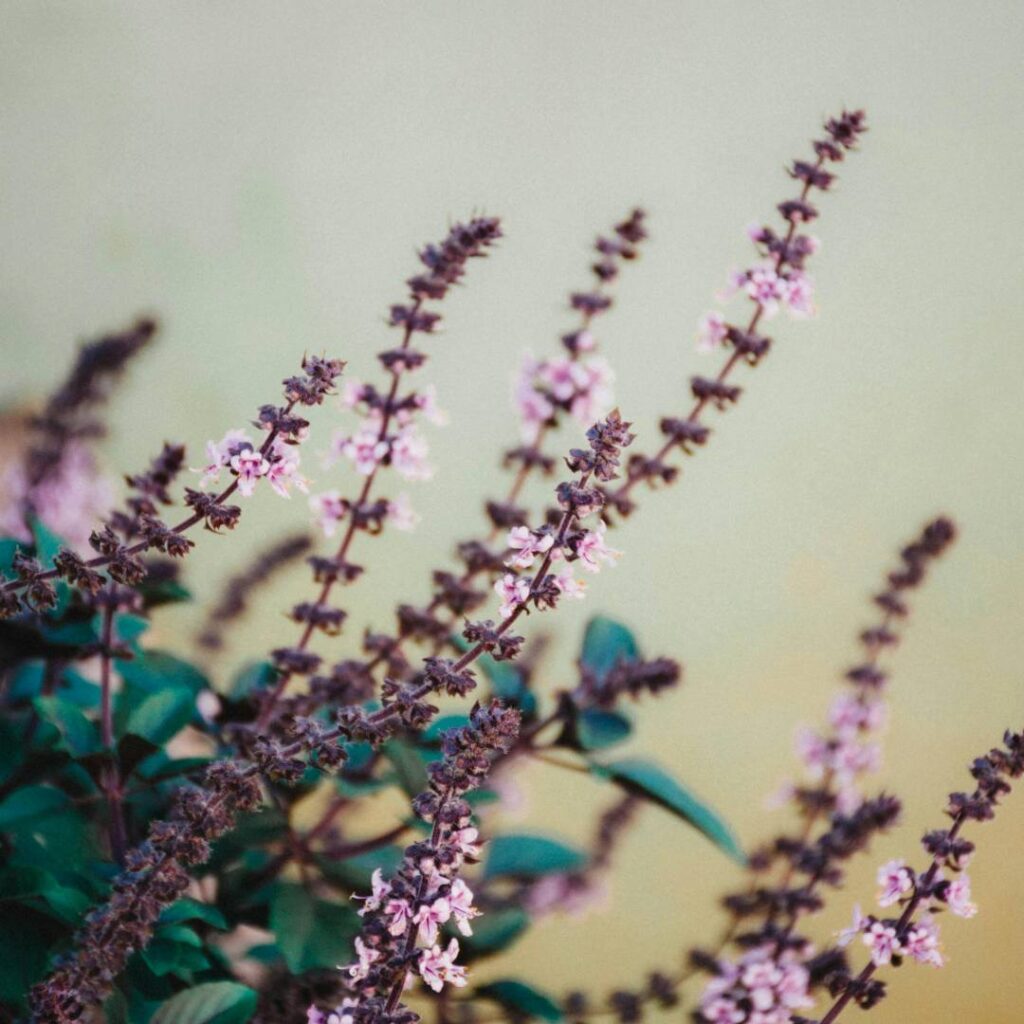
4. Tulsi (Holy Basil)
Flavor: Spicy, sweet, a bit like clove
Benefits: Adaptogenic, stress support
Growing Needs: Warm weather, rich soil
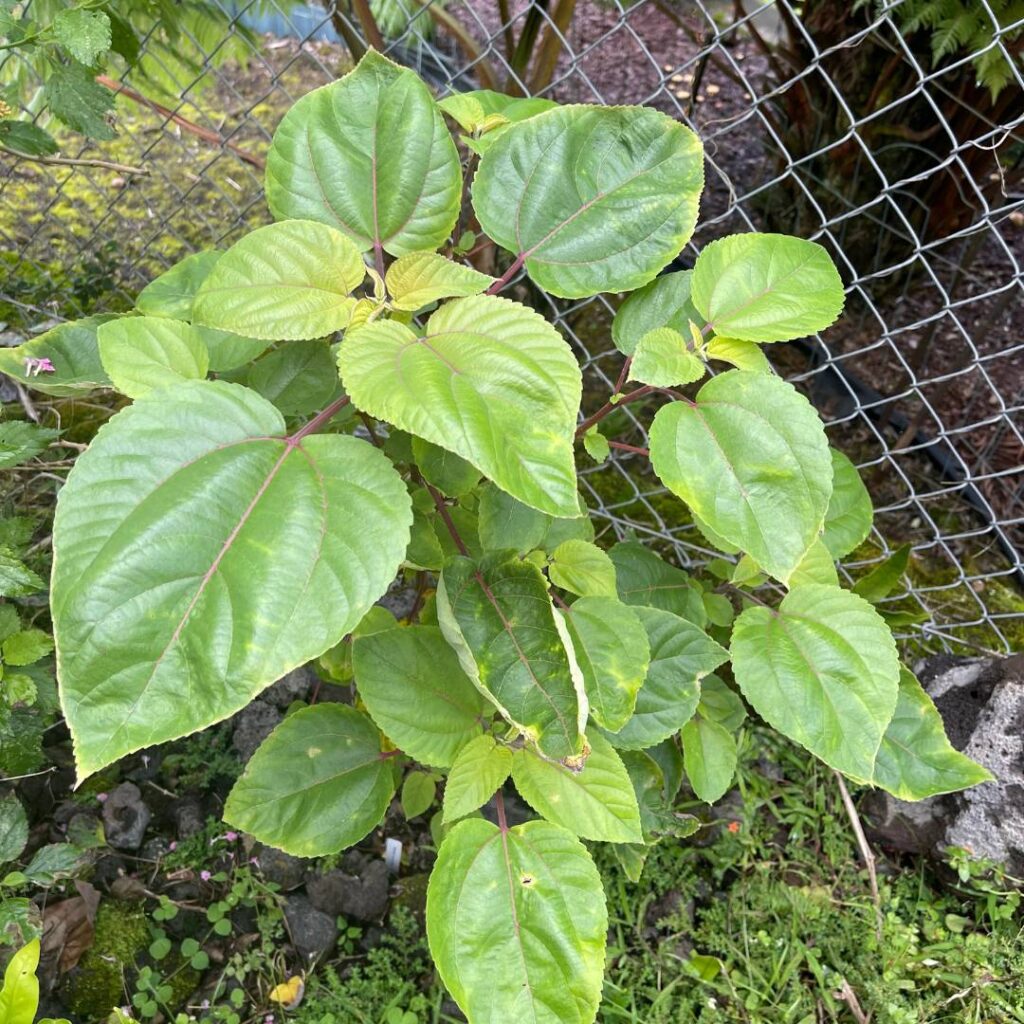
5. Mamaki (Native Hawaiian Herb)
Flavor: Mild, earthy, slightly sweet
Medicinal Use: Supports circulation, rich in antioxidants
Grow Tips: Loves humidity and partial shade
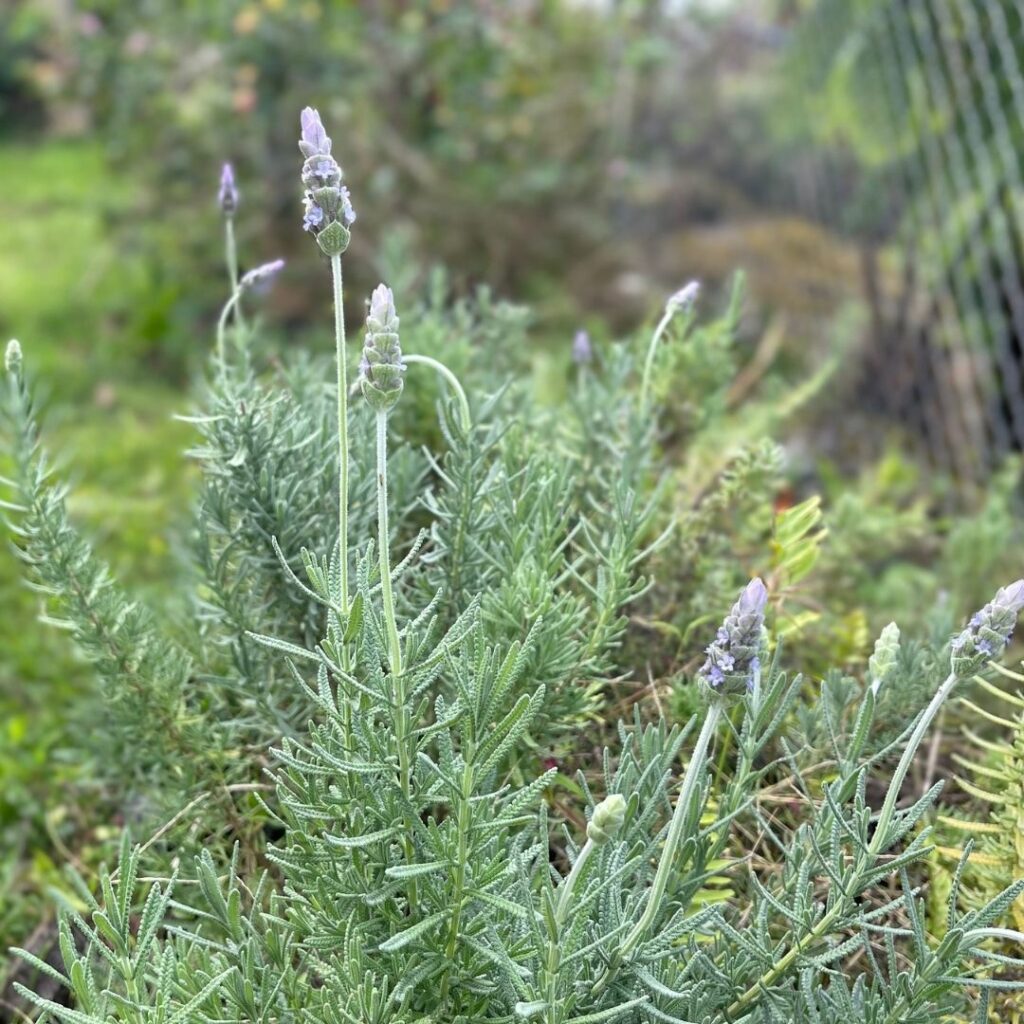
6. Lavender
Flavor: Floral, calming, pairs well with chamomile
Care: Needs full sun and well-drained soil
Note: A little goes a long way in tea
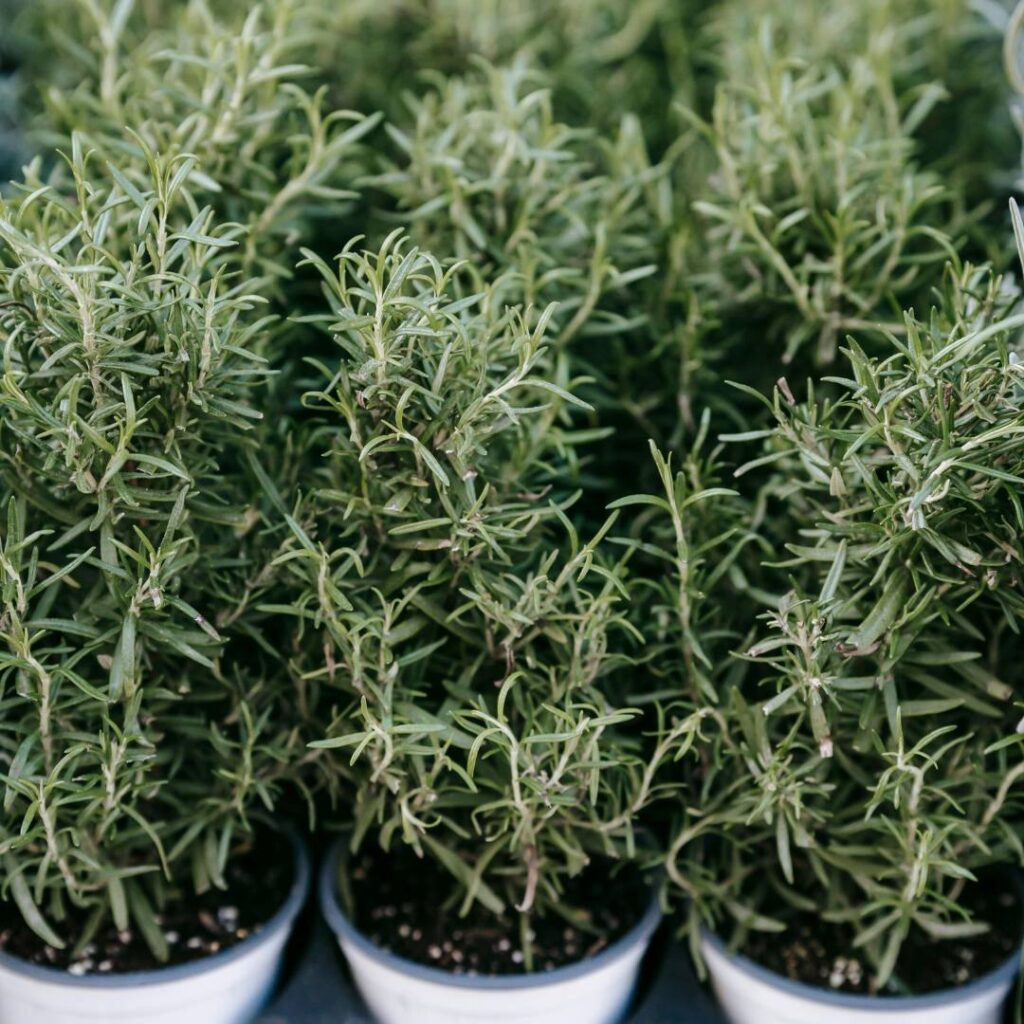
7. Rosemary
Flavor: Woody and bold
Benefits: Mental clarity, immune boost
Tip: Use lightly in blends to avoid overpowering
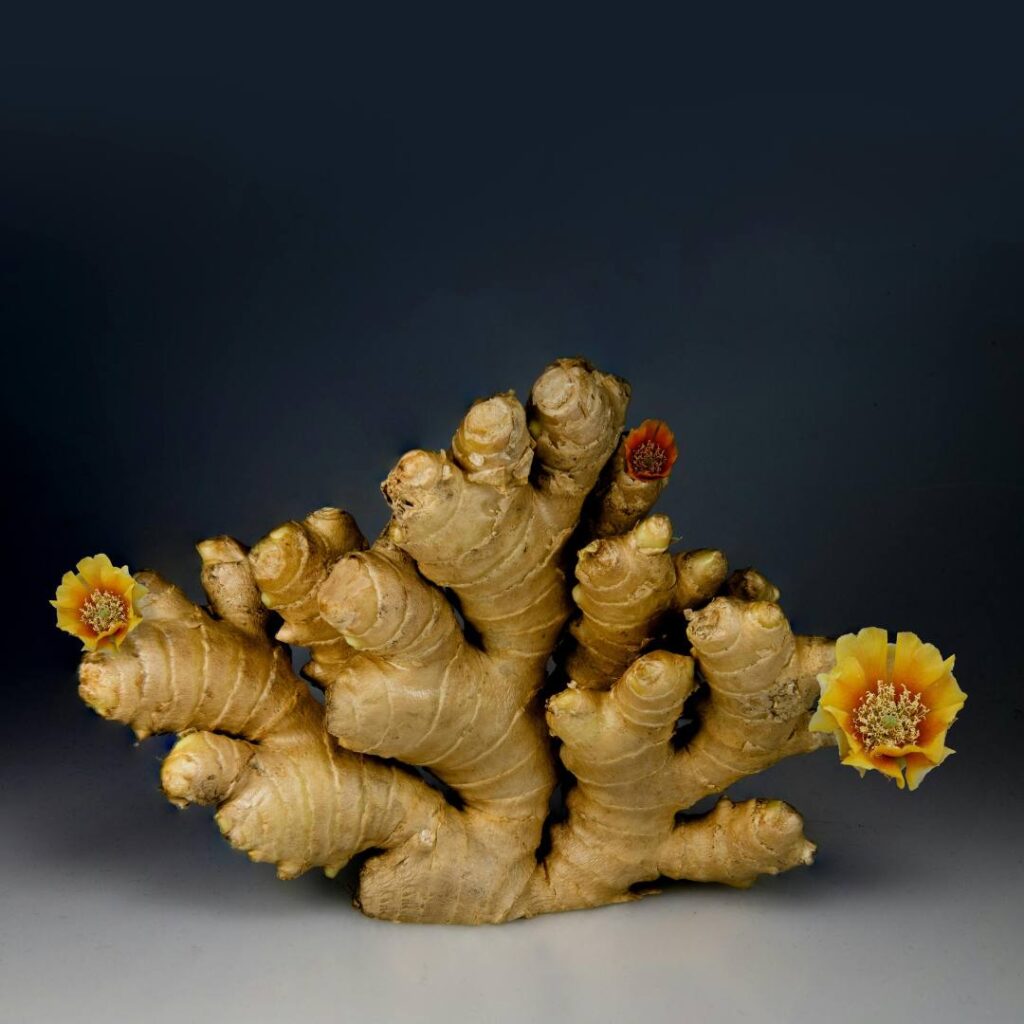
8. Ginger
Flavor: Spicy and warming
Note: Technically not an herb, but a favorite tea root
Grow: In warm climates or pots indoors
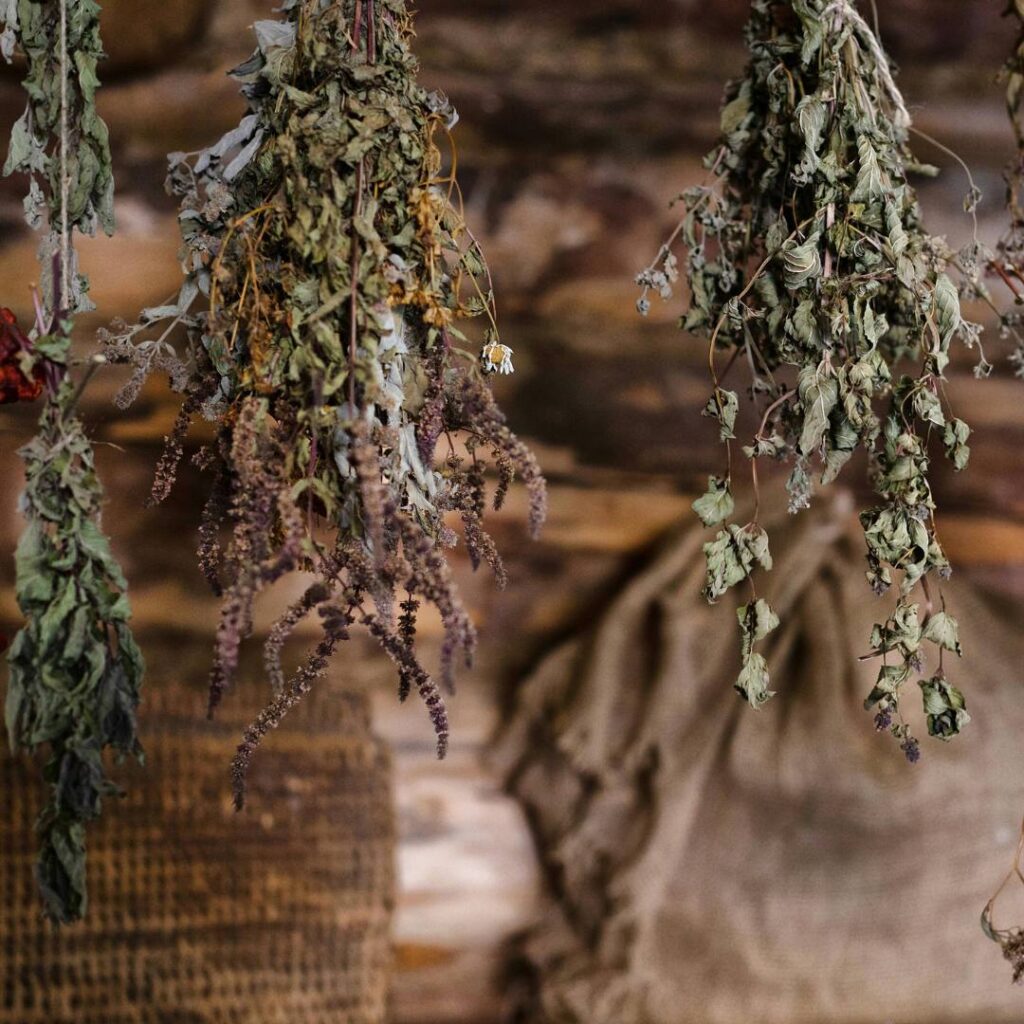
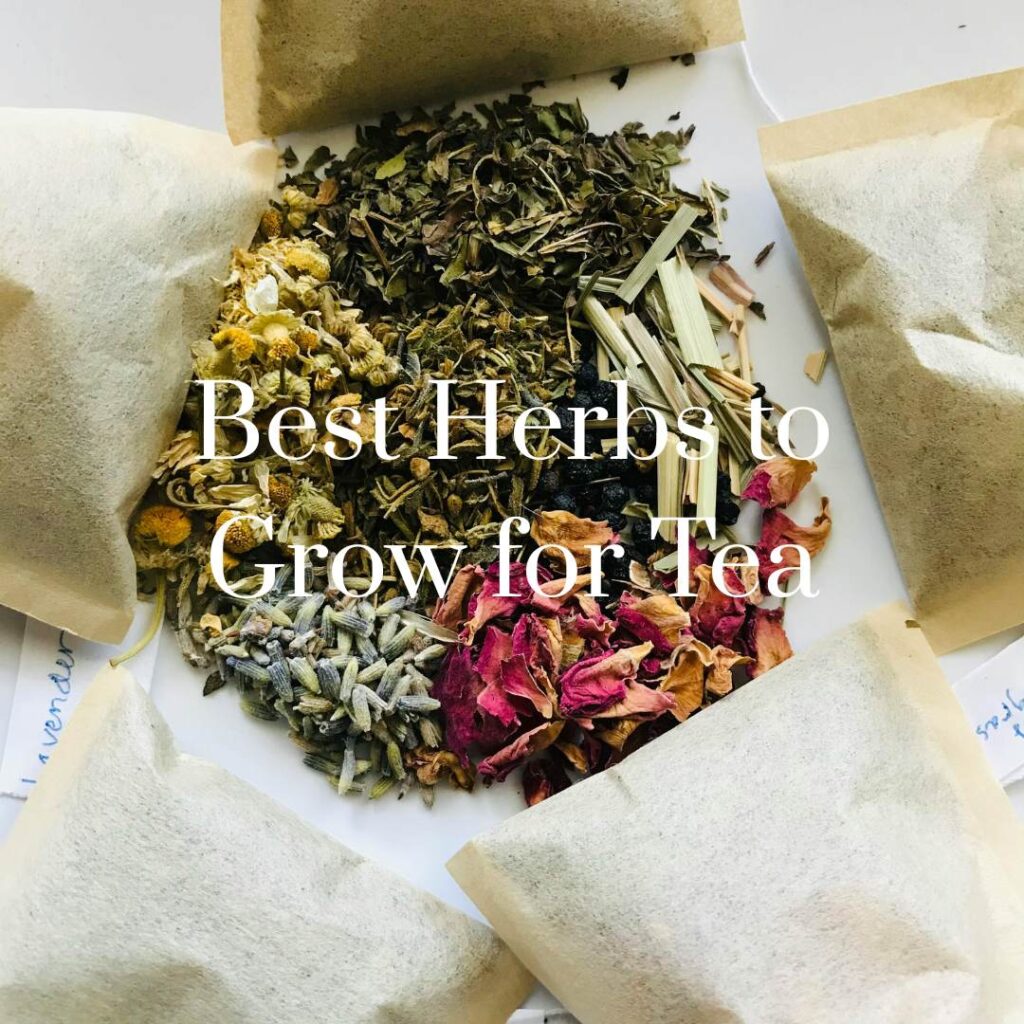
How to Harvest and Dry Tea Herbs
Harvest in the morning after dew dries
Rinse lightly if needed, then pat dry
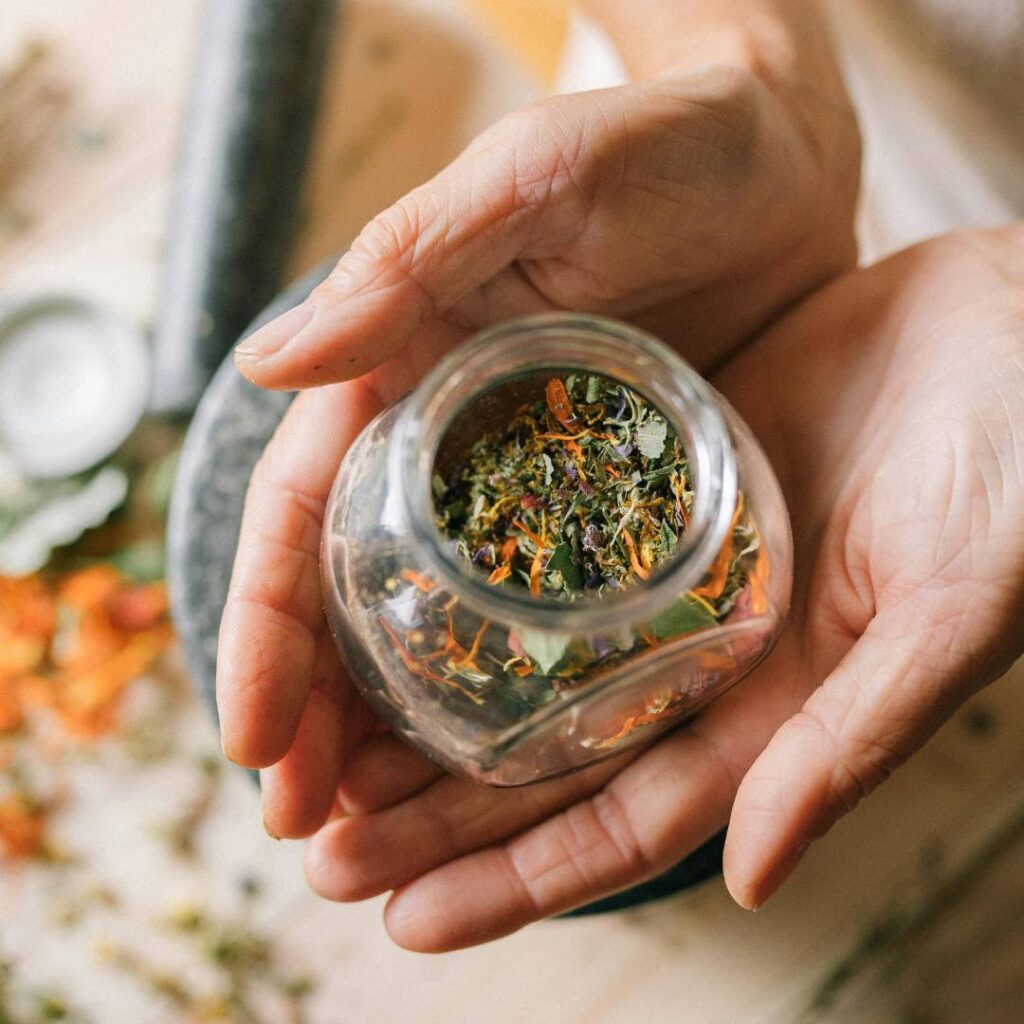
Hang in bundles or use a dehydrator (if you live in a humid area, like Hawaii, you’ll need to use a dehydrator or oven at lowest setting to prevent mold)
Add dried citrus peel or edible flowers for extra flair
Label your blends with date and purpose (e.g., “Evening Calm – Aug 2025”)
Final Thoughts
Growing tea herbs is one of the most satisfying things you can do in a garden. Most of them are very easy to grow. Whether you want better sleep, a calm stomach, or a delicious herbal ritual, there’s a tea plant that fits the bill. I listed just a few of my favorite tea herbs and plants here, but there are so many others! Experiment and see which ones you like best. Start with a few herbs, experiment with different blends too, and enjoy your garden in a whole new way.
Want more gardening inspiration? Join the Adventures in Botany Community and connect with fellow plant lovers! Follow us on, Instagram, TikTok, and YouTube for more gardening tips, DIY projects, and nature-inspired content.