Your garden isn’t just one climate—it’s a patchwork of microclimates, each with its own unique conditions. Understanding these subtle variations can help you grow a wider variety of plants, solve tricky growing problems, and get better harvests and blooms.
In this post, we’ll explore what microclimates are, how to identify them in your backyard (or lanai, balcony, or acreage), and how to design with them to your advantage. Whether you’re gardening in a small city yard, a Hawaiian homestead, or a multi-acre farm, microclimates matter.
What Is a Microclimate?
A microclimate is a small area that has different temperature, moisture, wind, or sun exposure than the surrounding area. These differences might be just a few degrees or hours of sun—but they can make or break whether a plant thrives.
Microclimates can be influenced by:
Sun exposure
Wind patterns
Proximity to walls, fences, or pavement
Slope and elevation
Water features
Trees and other plantings

Why Microclimates Matter
Recognizing microclimates means you can:
Grow plants outside their usual hardiness zones
Protect tender plants from wind or cold
Make the most of warm spots for tropicals or heat-lovers
Plan cooler areas for lettuce, ferns, or shade-lovers
Extend your growing season
Types of Microclimates You Might Find
🔆 Hot Spots
South-facing walls or stone patios reflect and retain heat.
These are great for peppers, tomatoes, basil, and other heat-lovers.
🌬 Windy Areas
Exposed ridges or corners funneled by breezes.
Use windbreaks like hedges or fencing, or plant low, tough groundcovers.
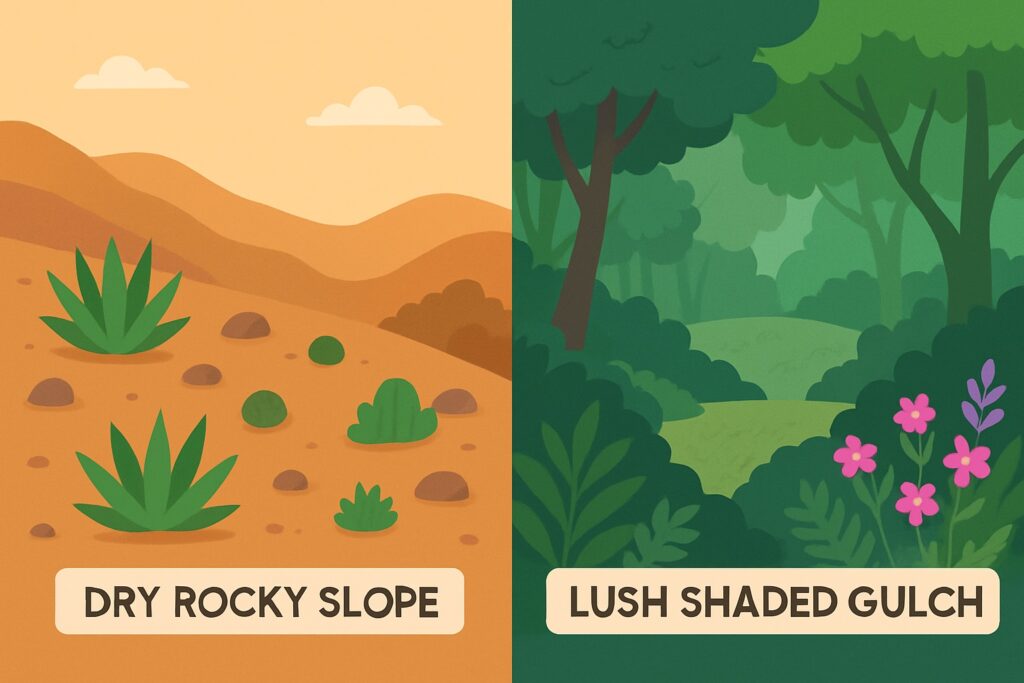
🌫 Cool or Shady Pockets
North-facing slopes, under trees, or next to tall buildings.
Ideal for leafy greens, root veggies, or ferns.
💧 Moist Microclimates
Low spots where water gathers or next to rain chains and downspouts.
Try taro, ginger, or elephant ears.
🔥 Dry and Sunny Slopes
Great for Mediterranean herbs like rosemary, lavender, and thyme.
Designing with Microclimates
Start by observing your garden throughout the day and seasons:
Where does the sun hit in the morning vs afternoon?
Where is it hottest at midday?
Where does frost settle (in colder areas)?
Where does water drain or pool after rain?
Which areas feel breezy, calm, muggy, or dry?
Then, match your plants to their ideal microclimate. Or, create microclimates by:
Adding trellises or shade cloth for cool areas
Using rocks or concrete to radiate heat
Planting windbreaks or shelterbelts
Building raised beds in wet spots
Microclimates on the Big Island of Hawaii
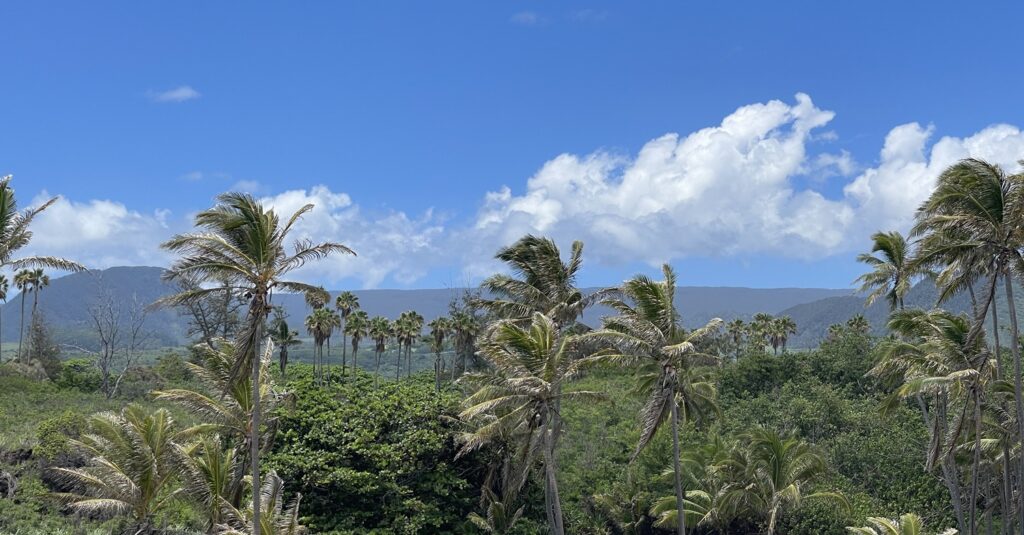
If you live on Hawai‘i Island, you already know you can go from rain forest to desert in a single drive. In fact, the Big Island has 10 of the world’s 14 climate zones!
Some well-known microclimates include:
🌧 Hilo & Puna – Warm, wet, and lush. Ideal for orchids, bananas, taro, and tropical flowers.
🌵 Kona Coast – Hot and dry at sea level. Great for coffee, mango, papaya, and succulents.
🌲 Waimea – Cool and often windy. Hardy greens, herbs, root crops, and cool-season veggies thrive.
🌤 Kaʻū Desert – Arid, windy, and dramatic. Native drought-tolerant plants like ʻaʻaliʻi and pāʻūohiʻiaka do well here.
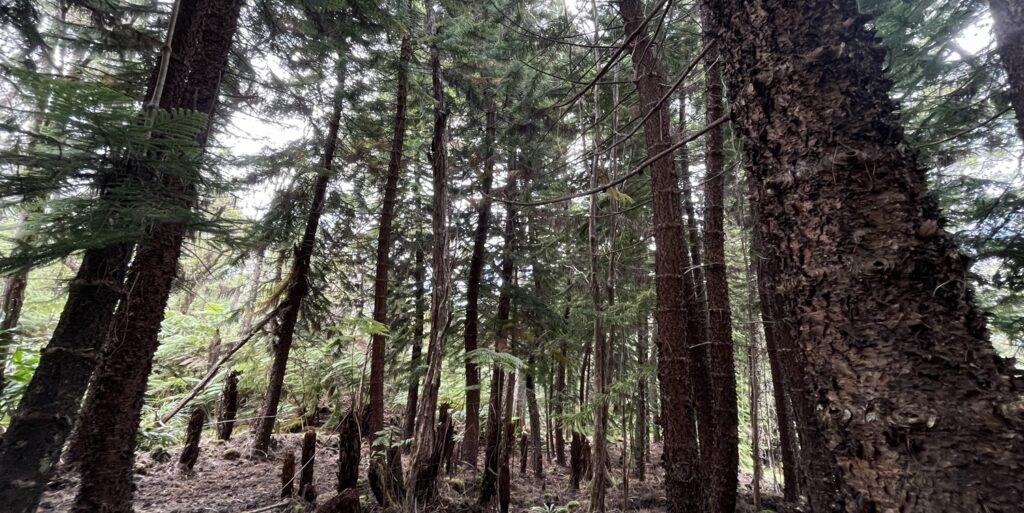
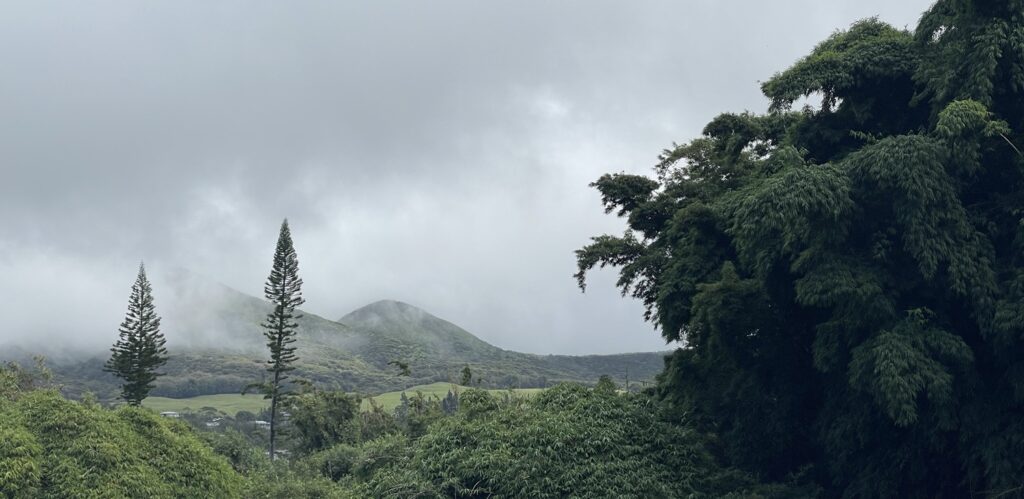
🌿 Kaloko Cloud Forest – At higher elevations mauka (upland) of Kailua-Kona, Kaloko is cool, misty, and supports lush, native forest species like ʻōhiʻa, hāpuʻu ferns, and kōpiko.
🏔 Volcano – Elevation creates cool nights and warm days. Good for protea, berries, and cool-loving ornamentals.
If your neighbor’s garden looks totally different from yours, it’s probably because you’re in different microclimates—even just a few miles apart!
Real-Life Examples
A friend lives less than 2 miles down (and it is straight down the steep hill) from me, one street over. It’s significantly hotter and drier at his house than mine, so much so that we use different media for our orchids!
In Hilo, I’ve seen yards where one side is often soggy while the other stays dry enough for succulents.
A lava rock wall can double the heat on its sunny side, allowing heat loving plants like peppers to thrive even at cooler elevations.
Tips for Making the Most of Microclimates
- Observe before you plant – Watch sun, shade, wind, and moisture patterns.
- Use structures to your advantage – Walls, fences, and greenhouses all shift the microclimate.
- Layer your plantings – Use trees or tall plants to shade more delicate crops.
- Use windbreaks – Try ti, sugarcane, or vetiver for natural shelter.
- Manage water – Mulching, or planting water-loving crops in low areas can help balance extremes.
- Don’t fight your site – Let your microclimate guide what you grow, instead of trying to force something to work.
Final Thoughts
Understanding backyard microclimates is like learning your garden’s personality. It helps you make smarter choices, get better harvests, and enjoy your space more year-round.
On the Big Island or anywhere else in the world, your garden is unique. When you learn to work with its natural variations, you open up a whole new world of growing possibilities.
Want more gardening inspiration? Join the Adventures in Botany Community and connect with fellow plant lovers! Follow us on, Instagram, TikTok, and YouTube for more gardening tips, DIY projects, and nature-inspired content.