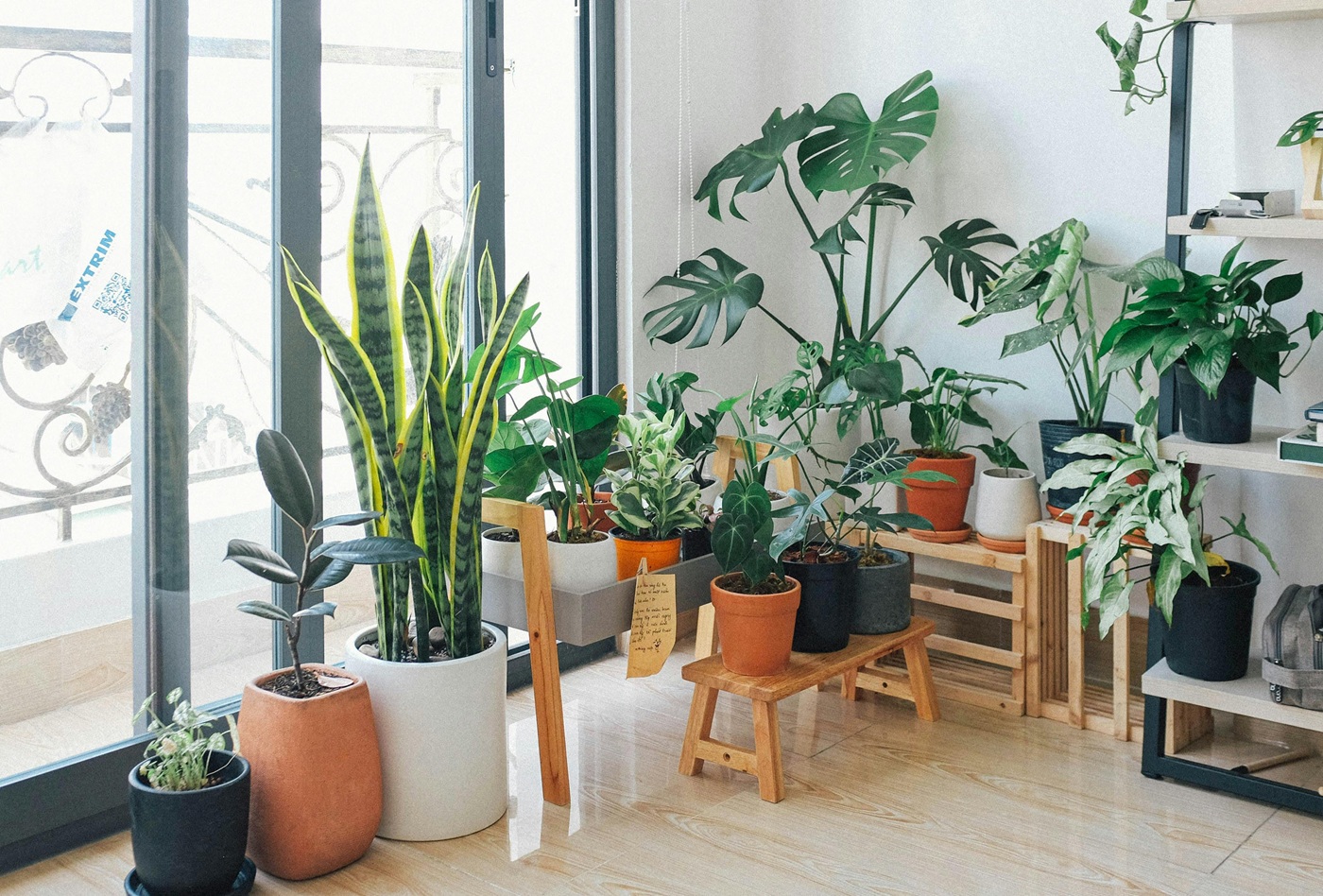
You Don’t Need a Green Thumb, Just Curiosity
There’s a myth that growing plants is only for the naturally gifted—the so-called “green thumbs” of the world. But the truth is, gardening and growing plants have much more to do with understanding, observation, and a bit of experimentation than with magic or innate talent. Whether you’ve accidentally killed a cactus or never managed to keep a basil plant alive, this post is for you. I’ll break down how anyone, anywhere, can start growing something beautiful (and maybe even edible!) with just a few small steps. No mystical powers required.
1. Plants Want to Live: The Basics Are Enough
One of the most comforting truths about plants is that they want to grow. It’s literally what they do. If you provide them with a few basic things—light, water, air, and nutrients—they will almost always try their best to thrive. Many beginner failures come from either too much love (overwatering, constant fussing) or misunderstanding basic needs. Start with the basics and give yourself (and your plant) time to learn.
Quick tip: Most plants die from overwatering (especially indoors), not underwatering. Let the soil dry out a little before watering again.
2. Choose Your First Plant Wisely: Start with Survivors
If you want an easy win, go for resilient, low-maintenance plants that forgive your mistakes. Here are some suggestions that do well indoors, especially in cooler or seasonal climates:
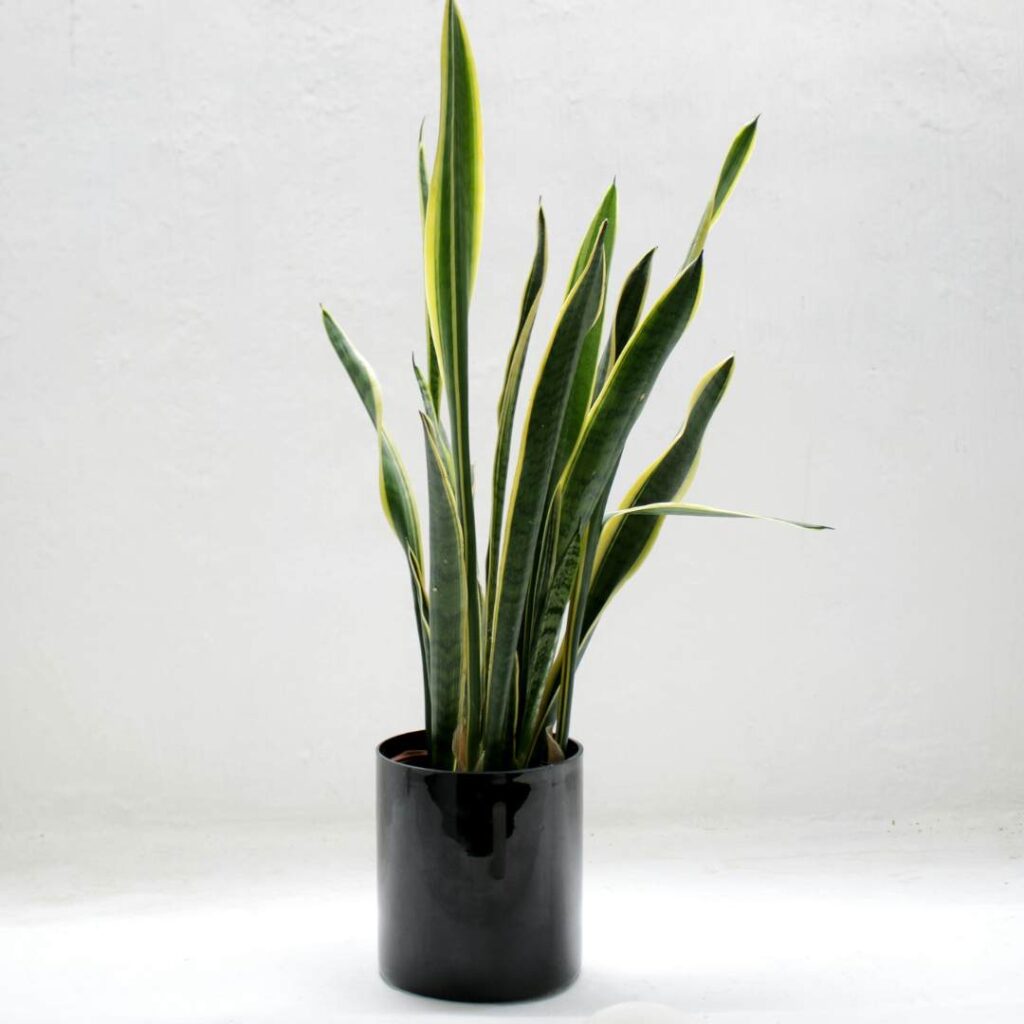
Snake Plant (Sansevieria): Practically indestructible. Can handle low light, low humidity, and infrequent watering.
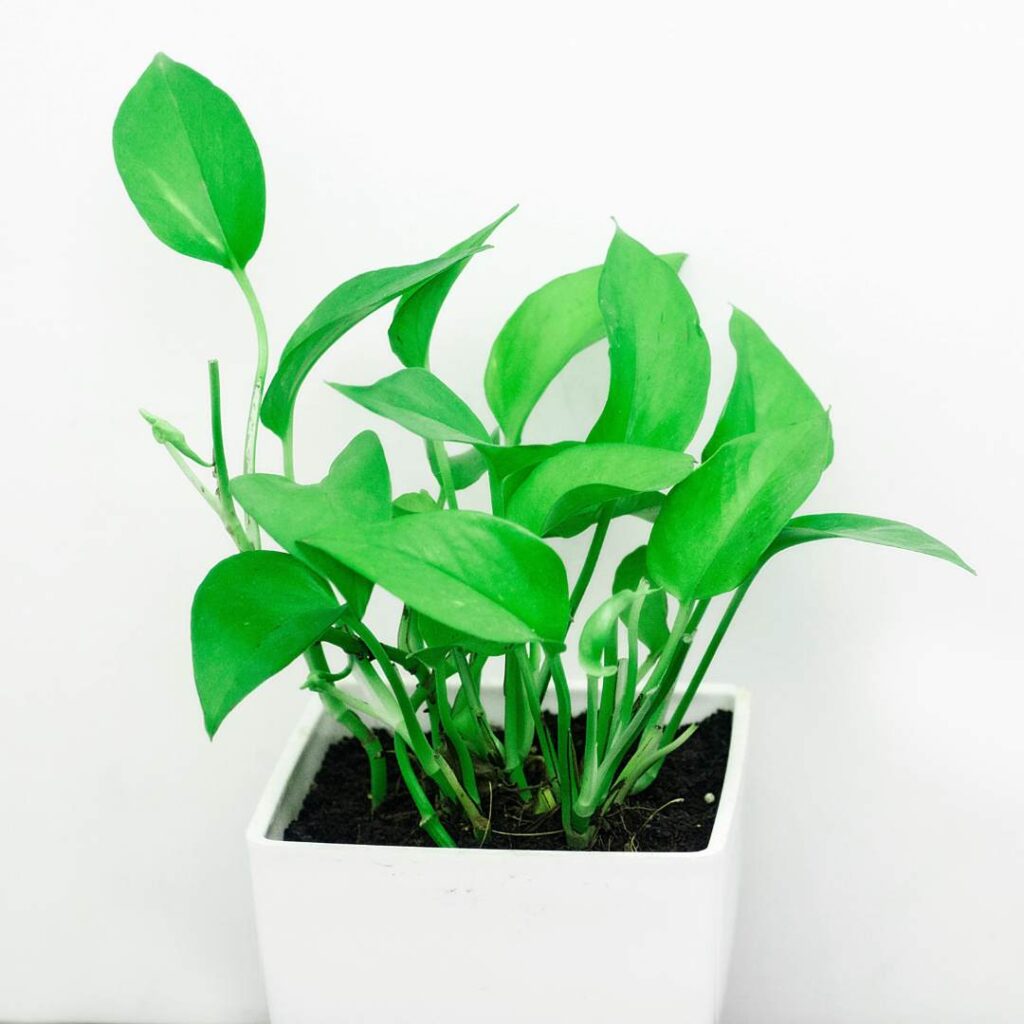
Pothos (Epipremnum aureum): Fast-growing, easy to propagate, and thrives in a variety of conditions.
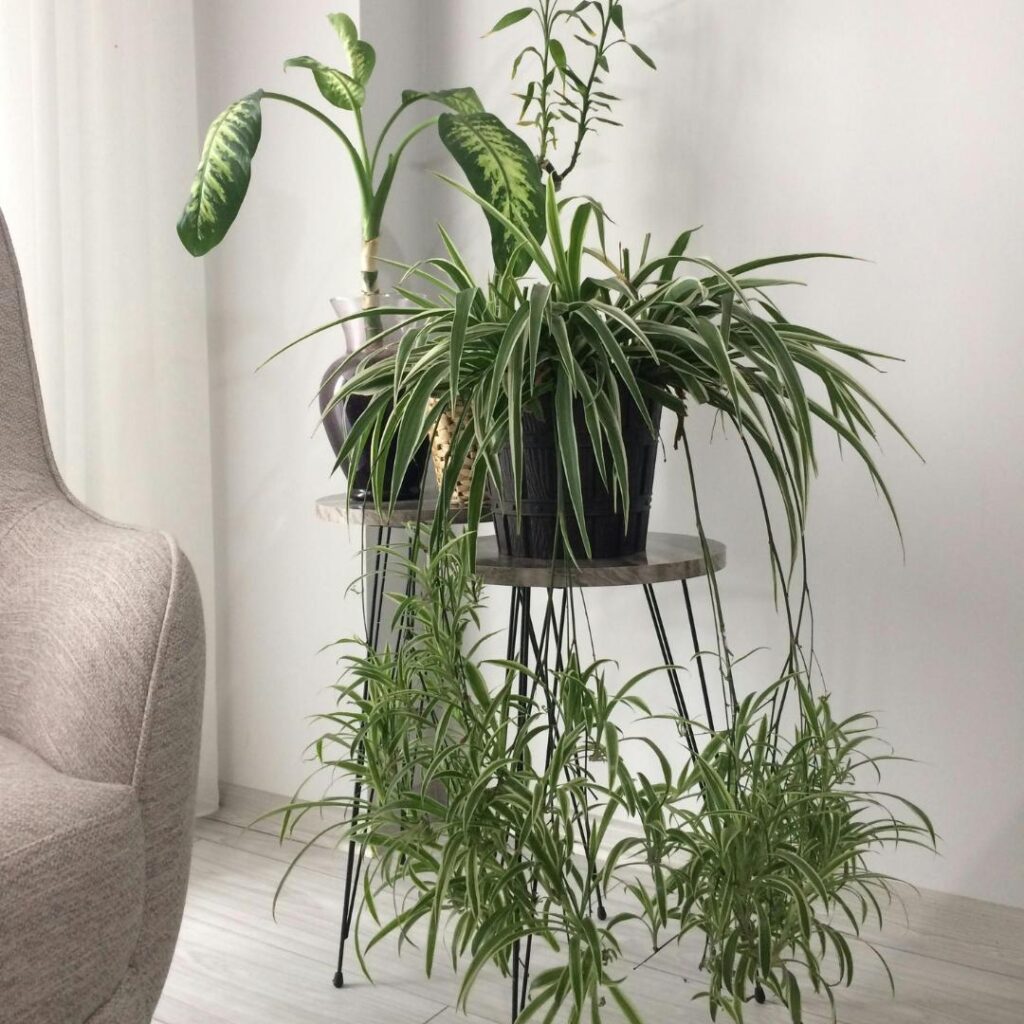
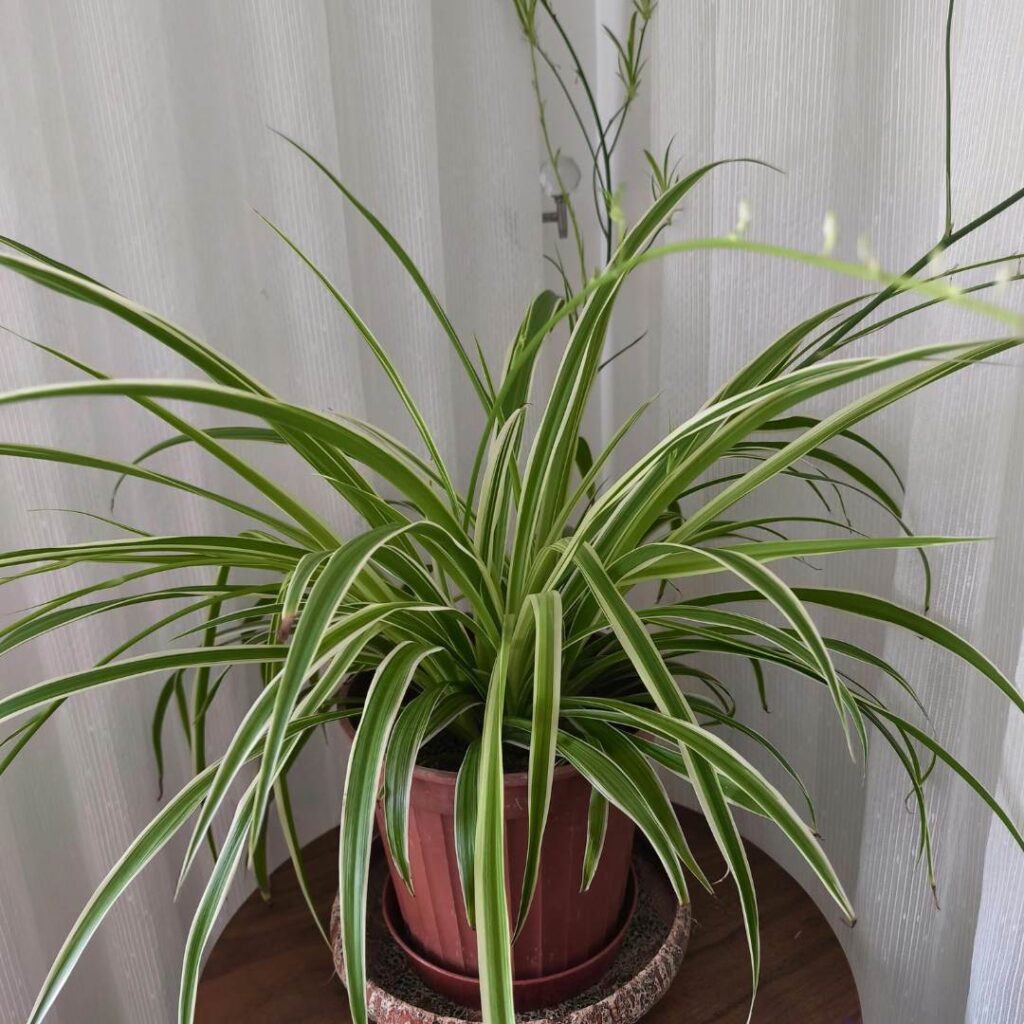
Spider Plant (Chlorophytum comosum): Great for hanging baskets, very tolerant.
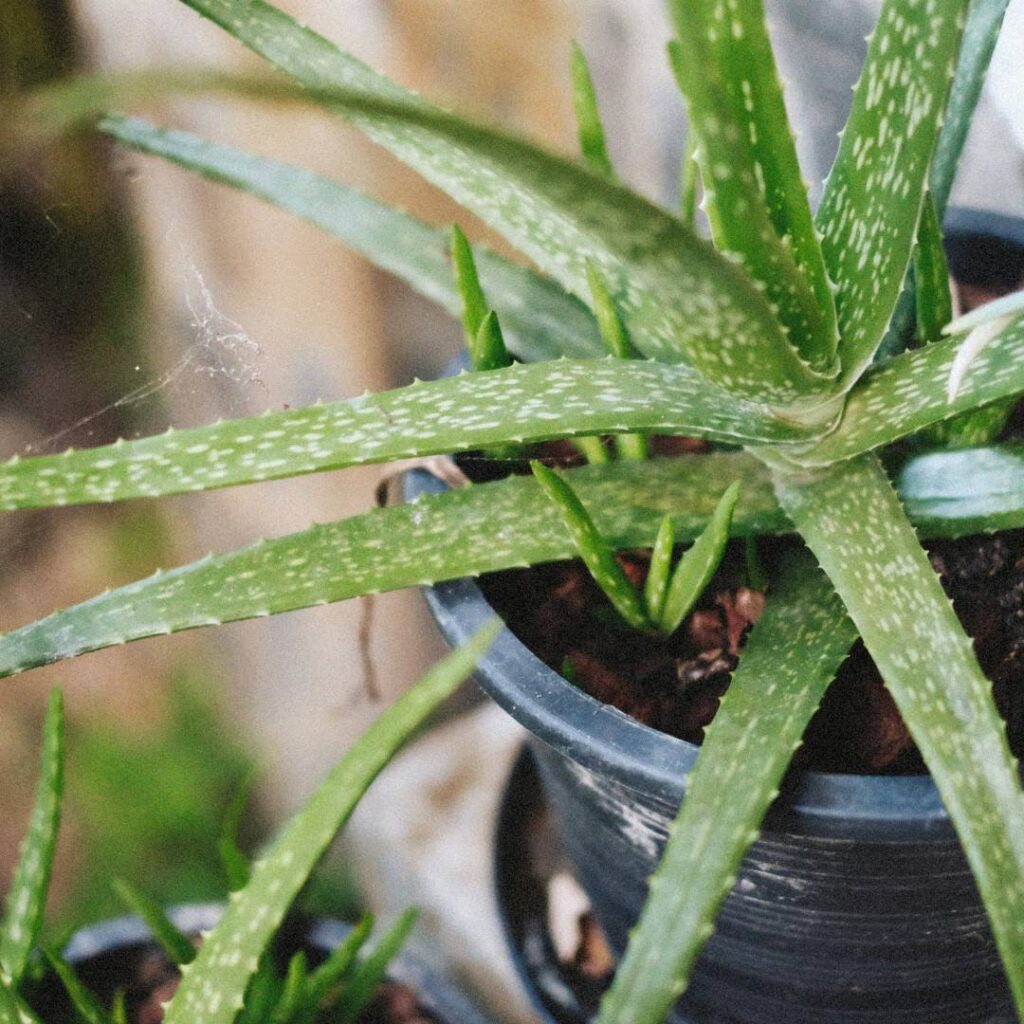
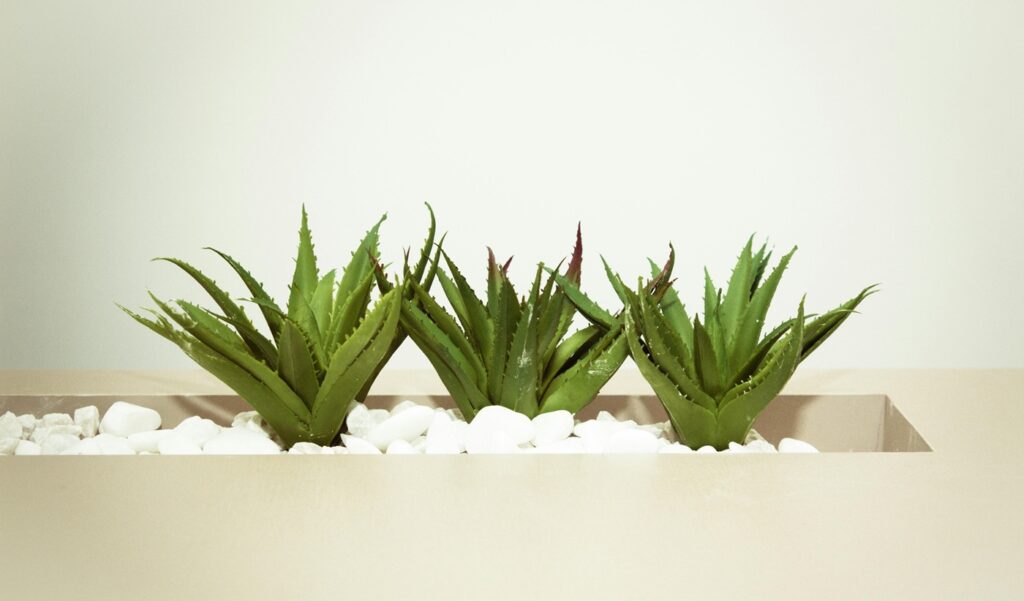
Aloe Vera: A succulent that prefers neglect to overcare.
These plants can boost your confidence and give you time to learn their rhythms without too much pressure.
3. Think Small, Think Simple
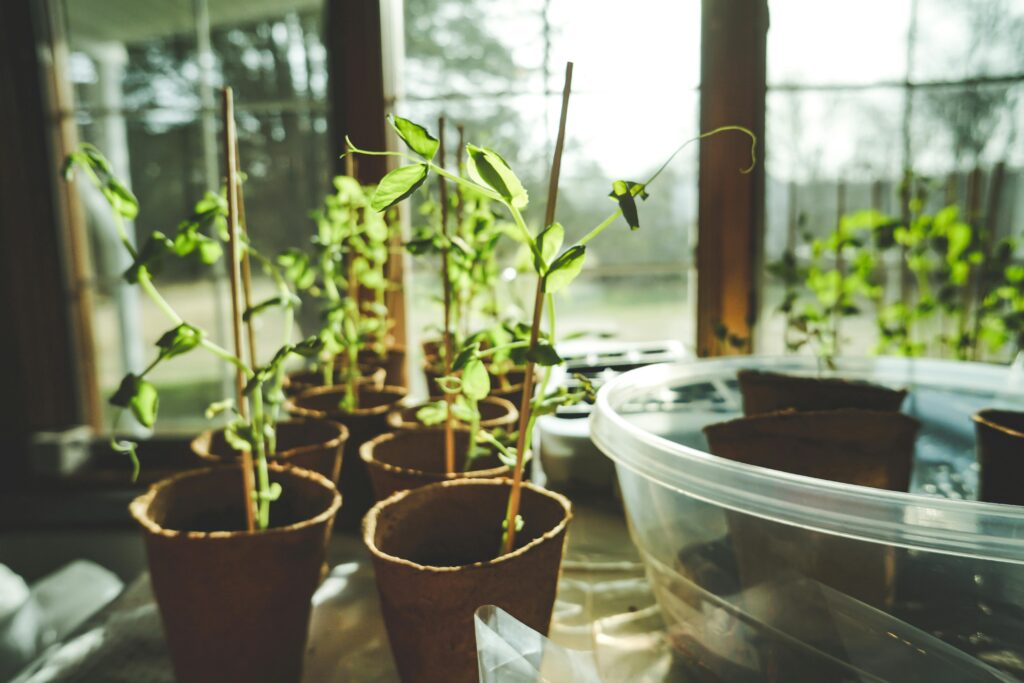
You don’t need a greenhouse or a backyard to start gardening. A windowsill, a few pots, and a watering can are plenty. One of the best ways to learn about plant care is to grow something simple like:
Herbs on a windowsill: Basil, mint, thyme, or chives are great for beginners and useful in the kitchen.
Microgreens: Super fast-growing, packed with nutrients, and ready in about 7-14 days. Talk about low commitment!
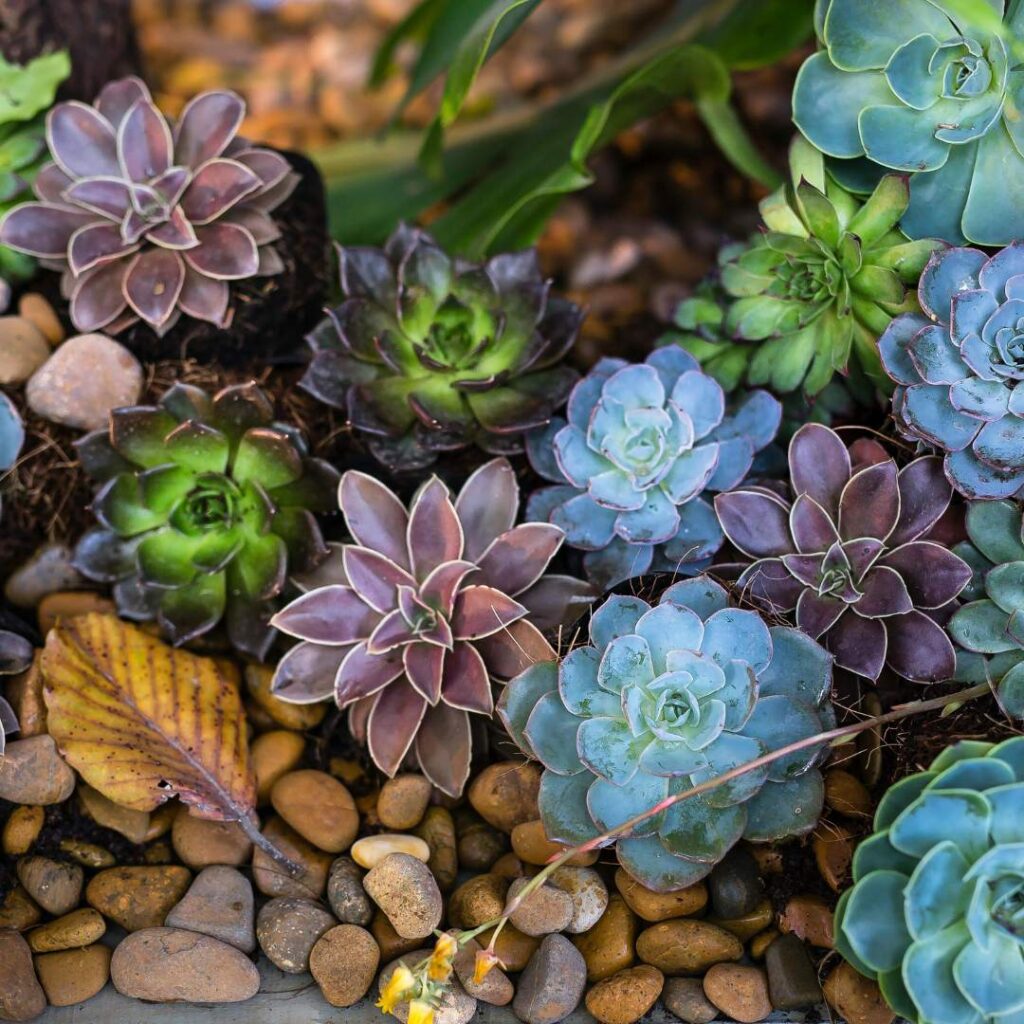
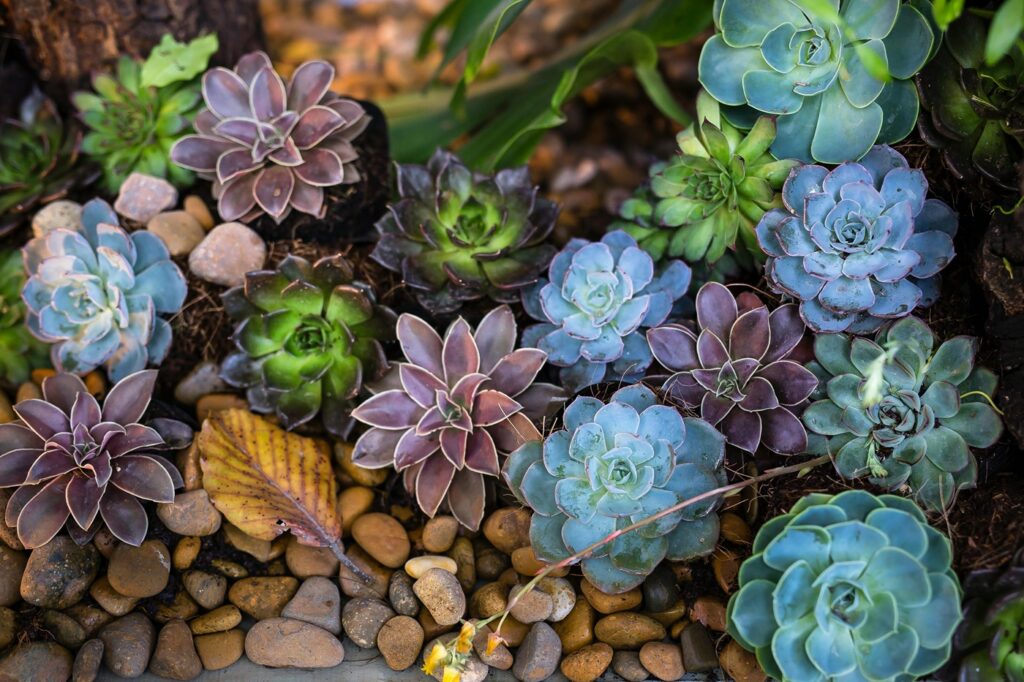
Succulent collections: These small desert plants come in endless varieties and need minimal watering.
4. Learn to Observe, Not Just Act
One of the biggest shifts in thinking for beginners is moving from action (“what do I do?”) to observation (“what is the plant telling me?”). Plants give clues when they’re unhappy: drooping leaves, yellowing tips, lack of new growth. Instead of panic-reacting, learn to observe and look for patterns. A plant journal or photo log can help you track changes and learn over time.
5. Set Yourself Up for Success
You don’t need the perfect conditions, but you can make things easier by setting up the right environment:
Light: South-facing windows are great. If you don’t have one, consider a small grow light.
Containers with drainage: Always choose pots with drainage holes. Waterlogged roots are a death sentence.
Quality potting mix: Don’t just use dirt from outside. Use appropriate potting soil for indoor plants.
Routine: Make checking on your plants a 2-minute habit in the morning or evening.
6. Mistakes Are Learning Tools, Not Failures
Everyone kills plants. Every. One. Of. Us. Think of every plant death not as a sign of failure, but as a new piece of information. Maybe that cactus needed more light, or that fern was too dry. The more you grow, the more you’ll learn, and the better you’ll get. Your brown thumb isn’t permanent—it’s just beginner’s soil.
7. Beauty is in the Eye of the Grower
Don’t worry about Instagram-worthy aesthetics or perfectly pruned specimens. If you find joy in a single green leaf unfurling or a tiny flower blooming in your kitchen, you’ve succeeded. The point isn’t perfection, it’s connection. Growing something connects you to nature, to time, to rhythm, and to life—even in a studio apartment in the middle of winter.
Final Thoughts: Everyone Starts Somewhere
You don’t need to be a scientist or a plant whisperer to enjoy the rewards of growing. Start with one plant. Watch it. Care for it. Ask questions. Accept the imperfections. There are few things more satisfying than watching something flourish because of your care, no matter how small the beginning. Give it a try. You might just discover that your so-called brown thumb is greener than you think.
Want more gardening inspiration? Join the Adventures in Botany Community and connect with fellow plant lovers! Follow us on, Instagram, TikTok, and YouTube for more gardening tips, DIY projects, and nature-inspired content.