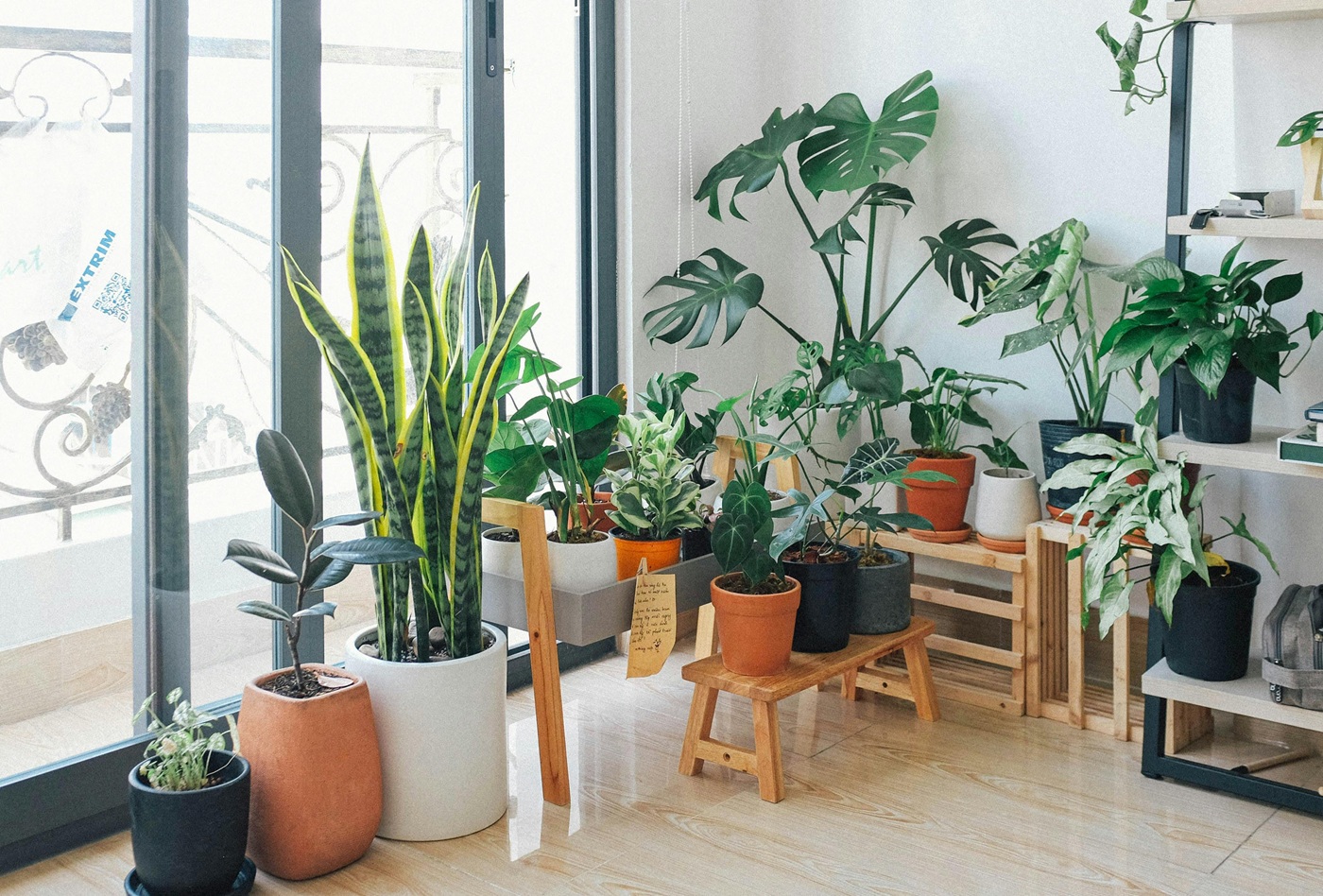
You don’t need acres of land, raised beds, or even a backyard to grow your own food. In fact, more people than ever are growing fruits, vegetables, and herbs in small or unconventional spaces—from city balconies to kitchen counters. Whether you’re a renter, an apartment dweller, or simply someone looking to maximize space, there are smart and sustainable ways to grow food without a traditional garden.
In this post, we’ll explore five methods that make growing your own food possible and practical no matter where you live. You’ll learn how to make the most of limited space, the pros and cons of each approach, and how to get started.
1. Container Gardening
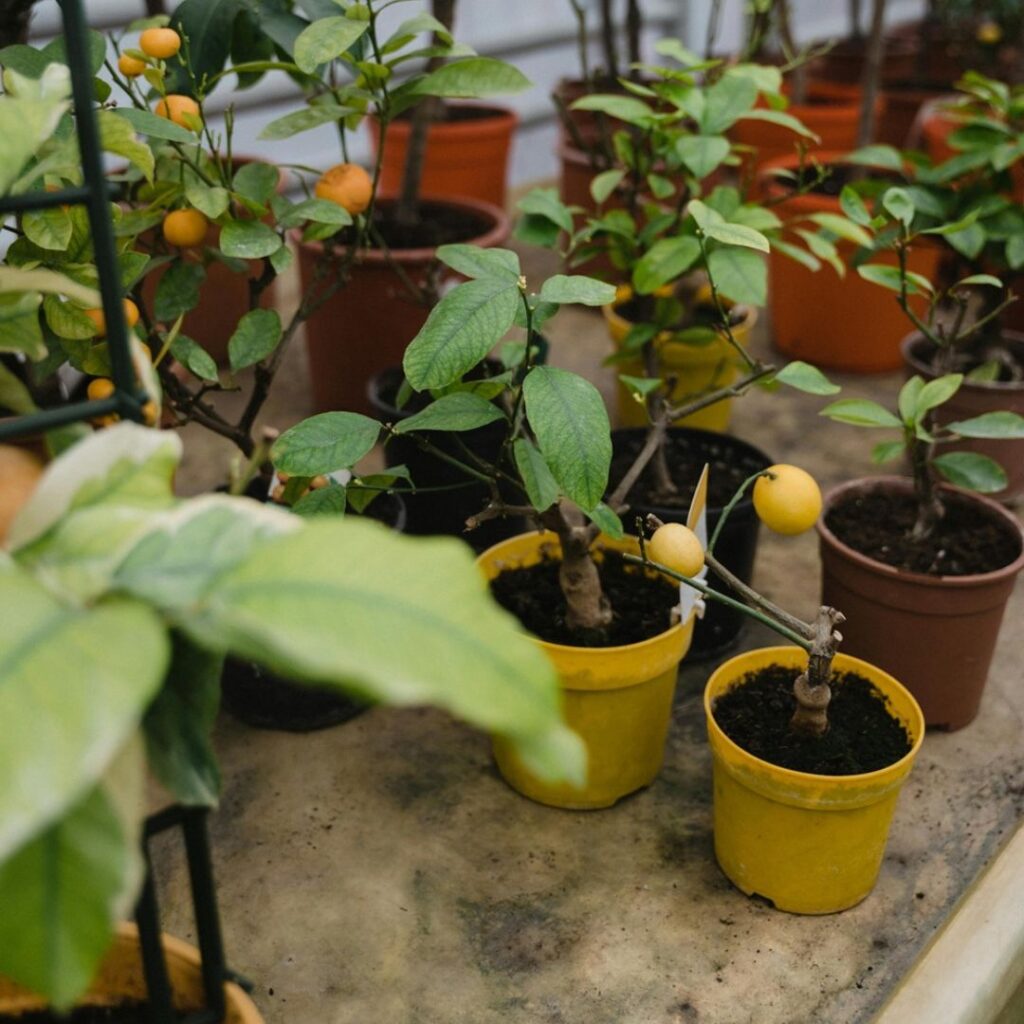
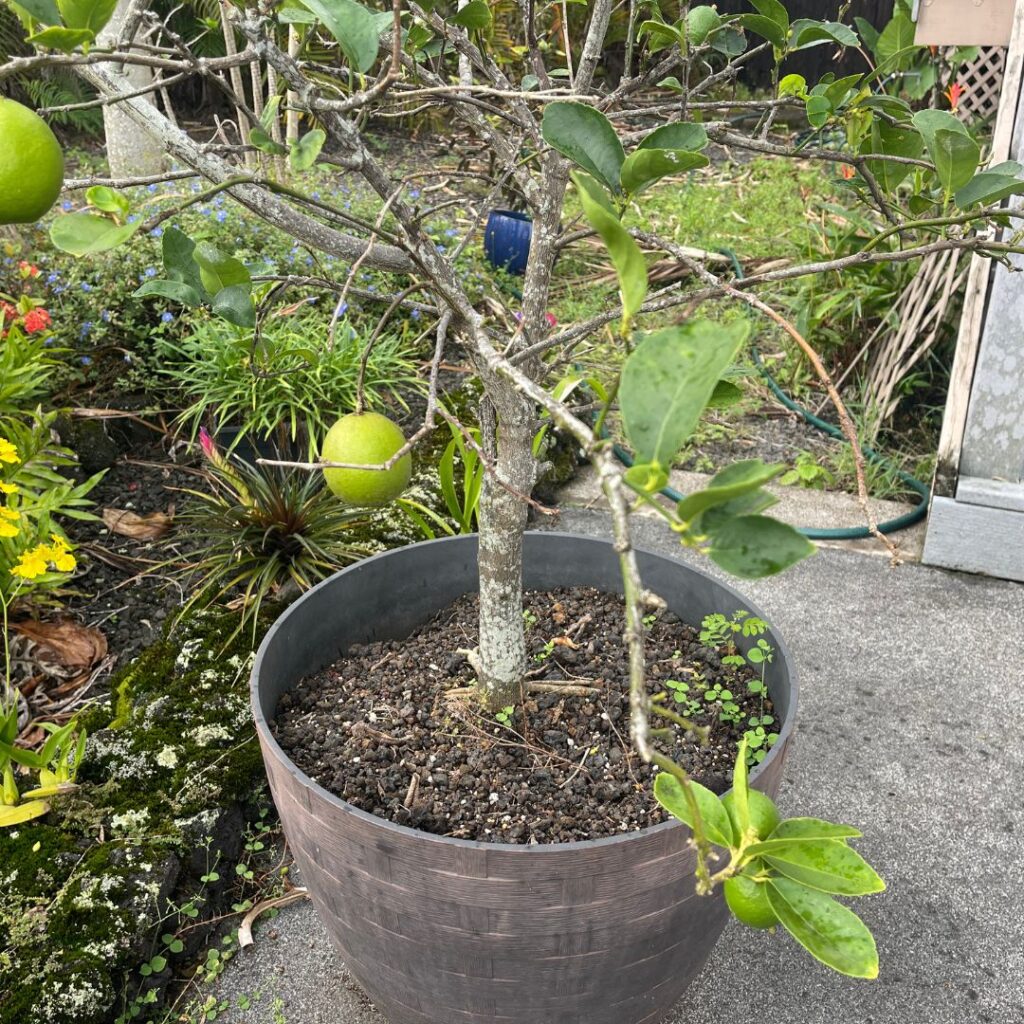
Container gardening is one of the easiest and most flexible ways to grow food without a garden. All you need are pots (with drainage holes), quality potting soil, and some sunlight.
Why it works: Containers give you complete control over the growing environment. You can move them to follow the sun, shelter them from strong winds, or even bring them indoors if needed.
Best for: Beginners, patios, porches, balconies, windowsills
What to grow:
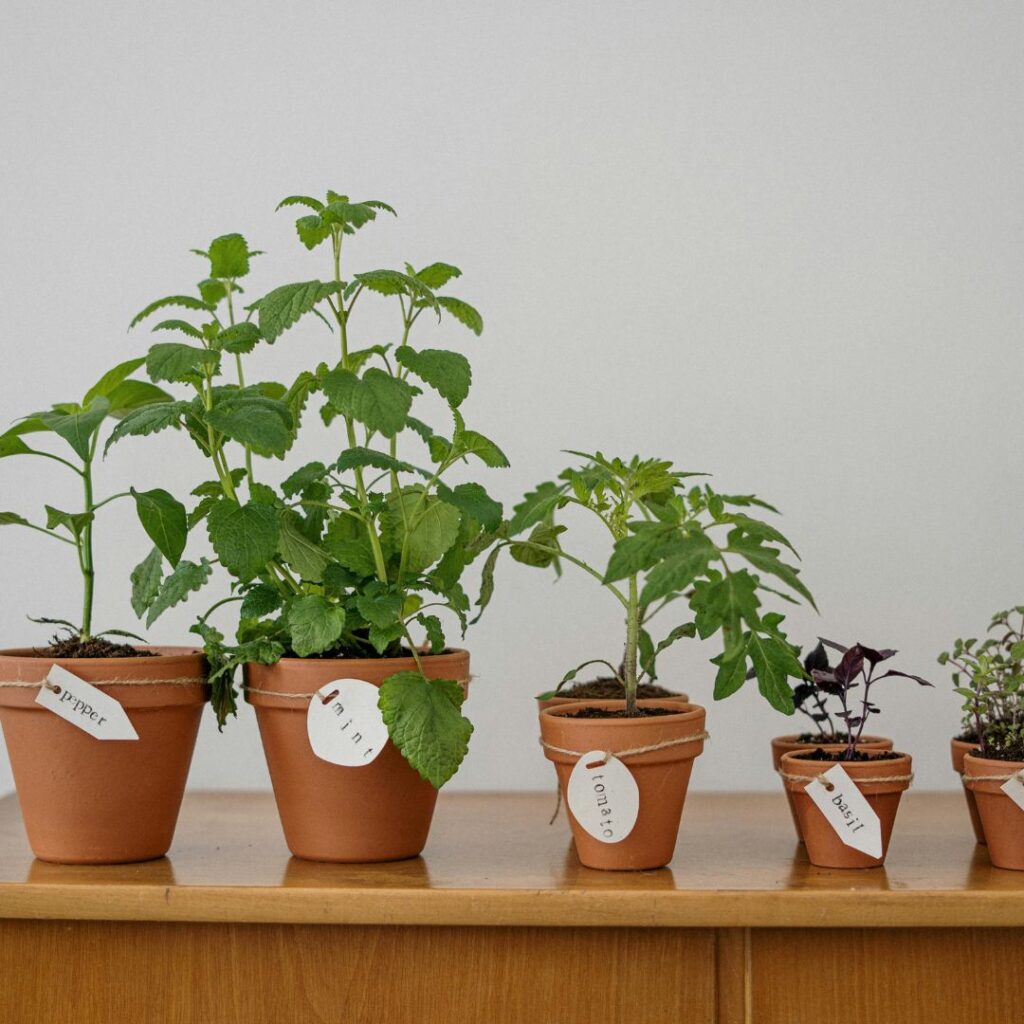
Tomatoes (especially dwarf or patio varieties)
Peppers
Lettuce and salad greens
Herbs like basil, thyme, mint, and parsley
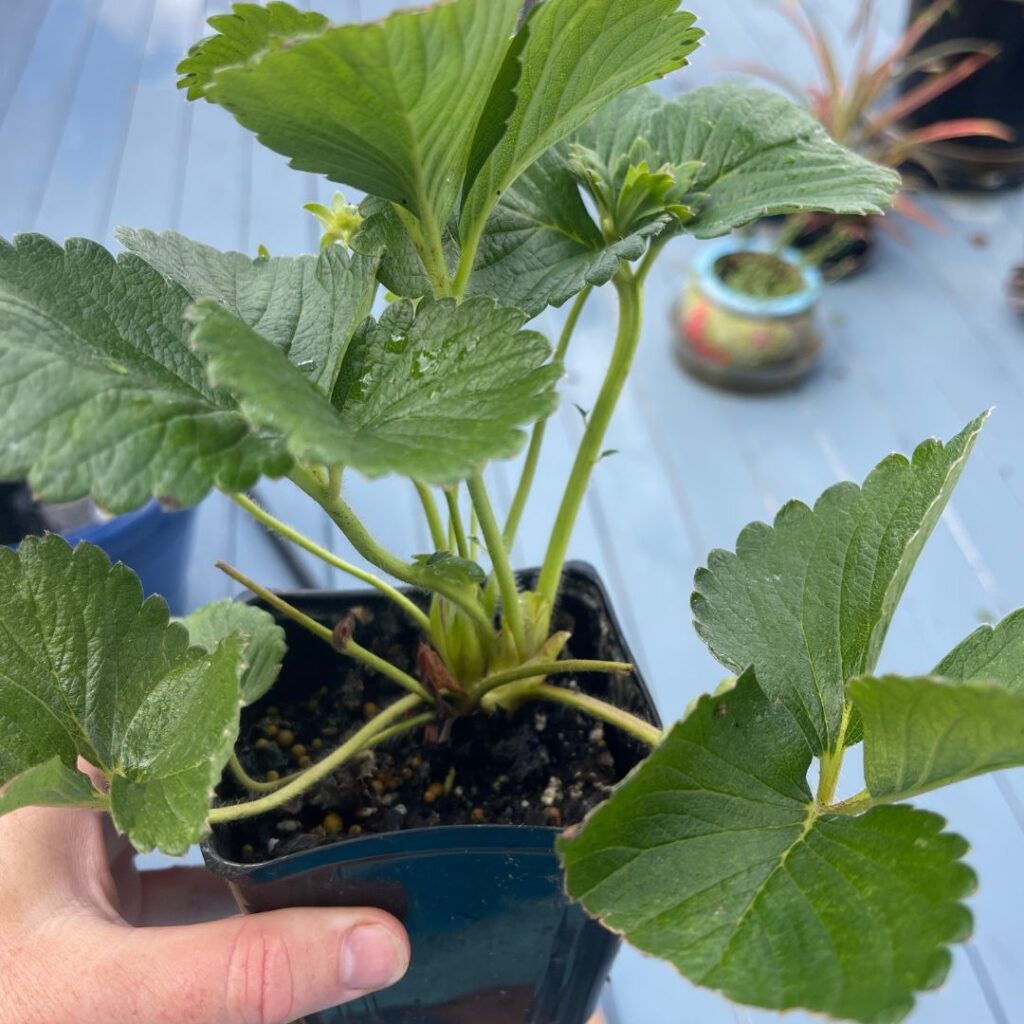
Strawberries
Tips for success:
Choose larger containers to reduce the need for frequent watering
Use high-quality potting mix (not garden soil)
Water consistently and add a slow-release organic fertilizer
Group containers with similar water and light needs
Personal Note: I grow herbs, peppers, and even sweet potatoes in big pots outside my lanai. With some sun and a little care, they thrive year-round—even in a small space.
2. Vertical Gardening
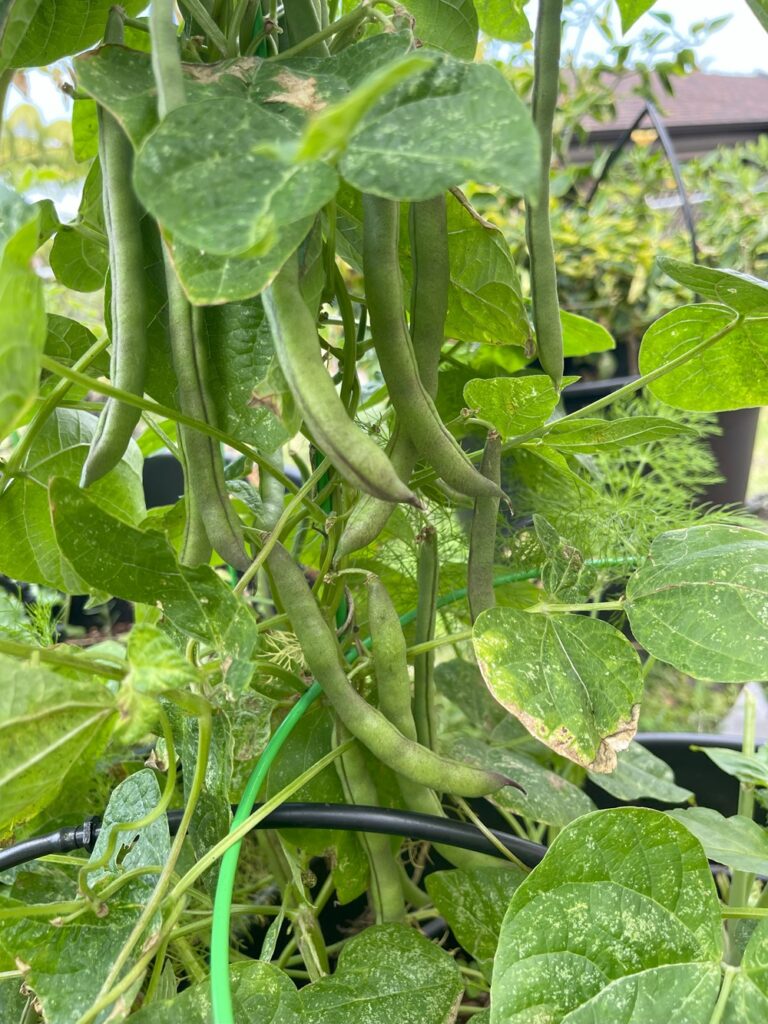
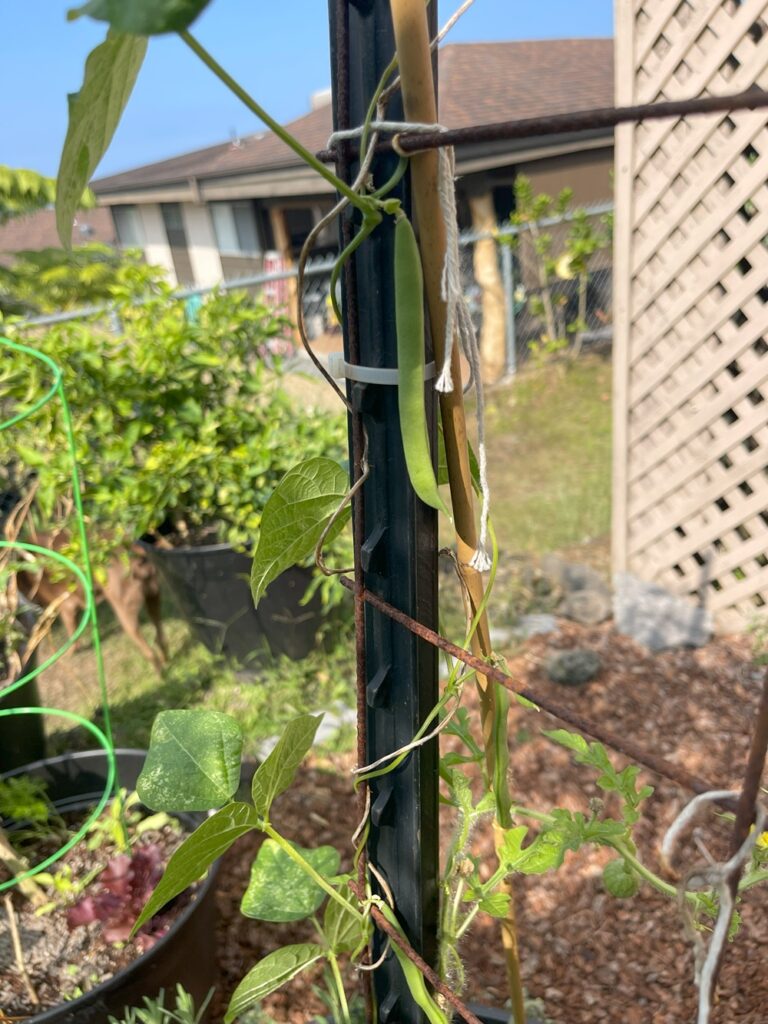
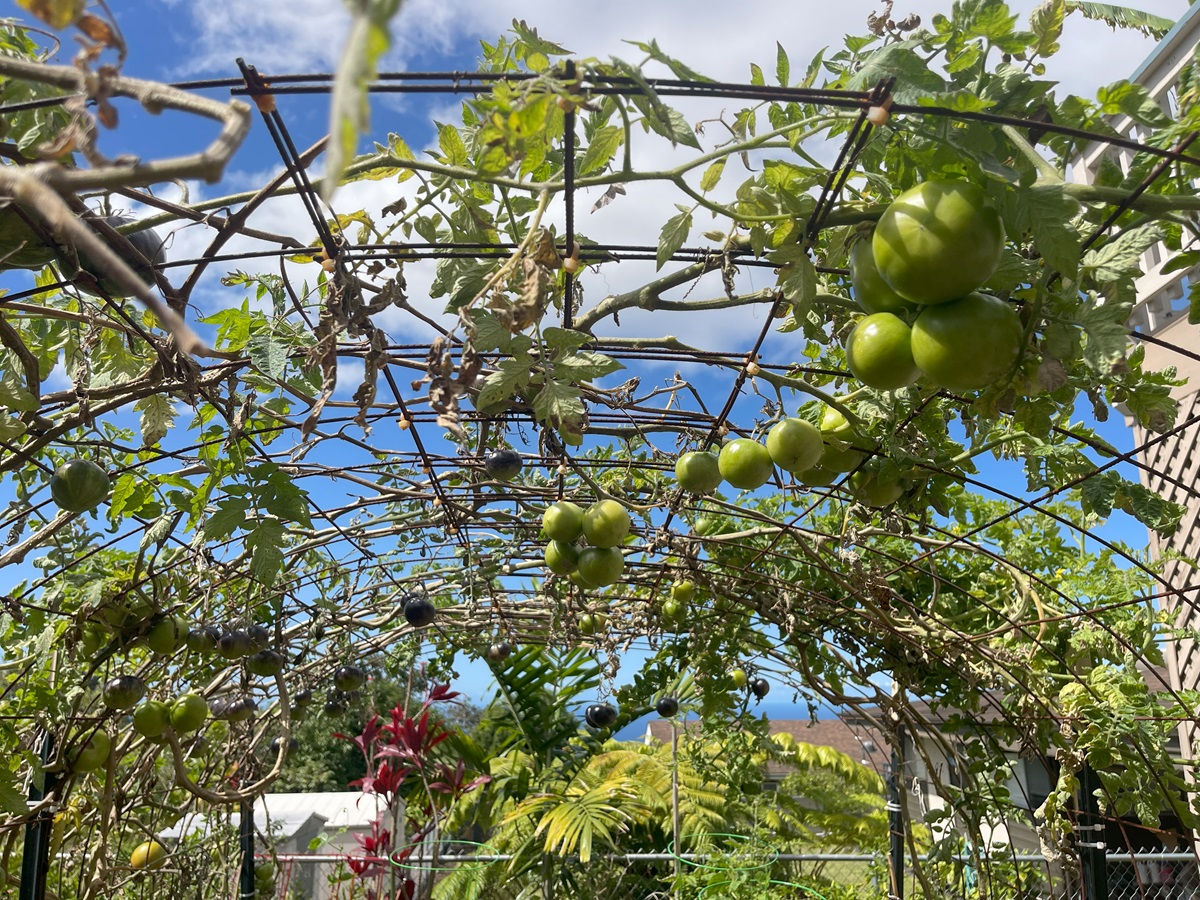
Vertical gardening involves growing up instead of out. By using walls, fences, trellises, or shelves, you can grow a lot in a small footprint.
Why it works: It maximizes vertical space, improves airflow around plants, and keeps crops off the ground (which can reduce pests and rot).
Best for: Tight outdoor spaces, lanais, balconies, side yards, small urban gardens
What to grow:
Pole beans
Peas
Cucumbers (on a sturdy trellis)
Vining herbs like oregano or thyme
Strawberries (in pocket planters)
How to get started:
Use hanging baskets, trellis systems, stacked planters, or wall-mounted pockets
Install a drip system or self-watering setup if possible
Secure your vertical structures well—especially in windy areas
DIY Idea: Upcycle a wooden pallet by lining it with landscape fabric, filling it with soil, and planting leafy greens between the slats.
3. Hydroponics and Indoor Growing Systems
Hydroponics is the method of growing plants in water enriched with nutrients, no soil needed. Thanks to compact home kits and LED grow lights, this method is now accessible to home gardeners.
Why it works: Hydroponics is efficient and fast. Plants grow quickly, use less water, and are protected from many soil-borne diseases.
Best for: Indoor growers, people with no outdoor space, year-round gardening
What to grow:
Lettuce and salad mixes
Basil and other leafy herbs
Spinach, kale, arugula
Swiss chard
Types of hydroponic systems:
Deep Water Culture (DWC): Plants float on nutrient solution with roots submerged
Nutrient Film Technique (NFT): Water flows in a thin film over plant roots
Wicking systems: Passive system where a wick brings nutrients to the plant
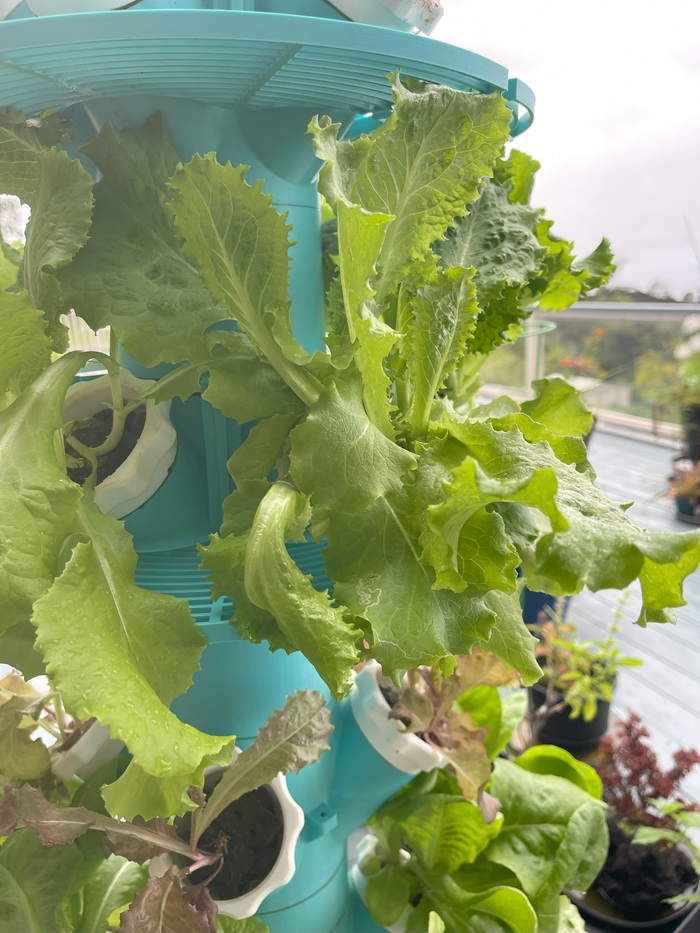
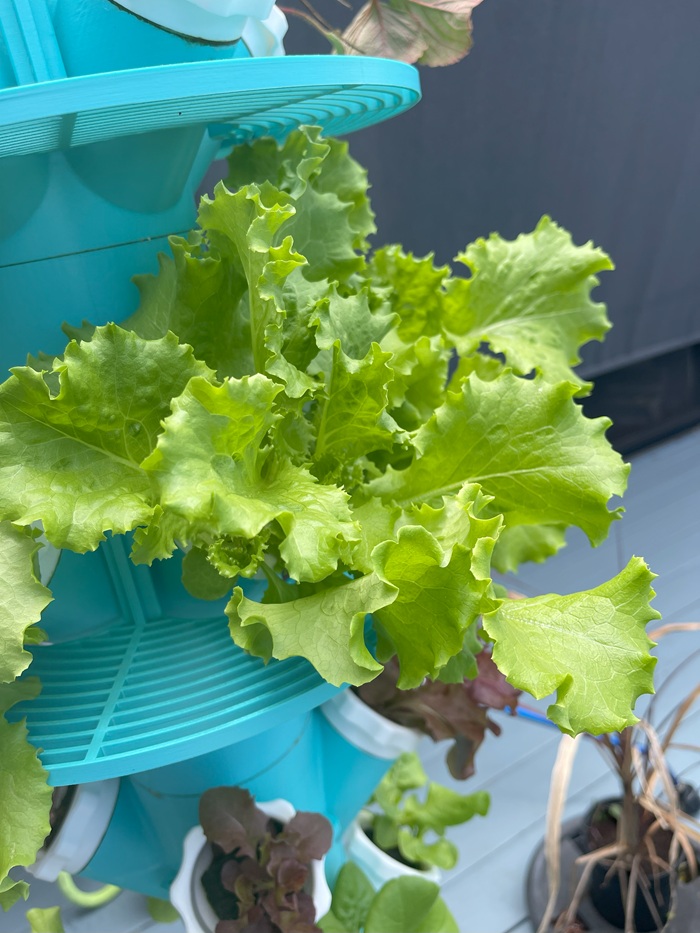
Personal Experience: If you’ve been following AiB, you’ve probably seen my 3D printed hydroponic tower. It’s a simple setup using a 5-gallon bucket, an aquarium pump, and plastic tubing, along with the 3D printed tower and plant baskets. It sits on my lanai growing lettuce without soil—and it’s been both fun and productive!
4. Edible Landscaping
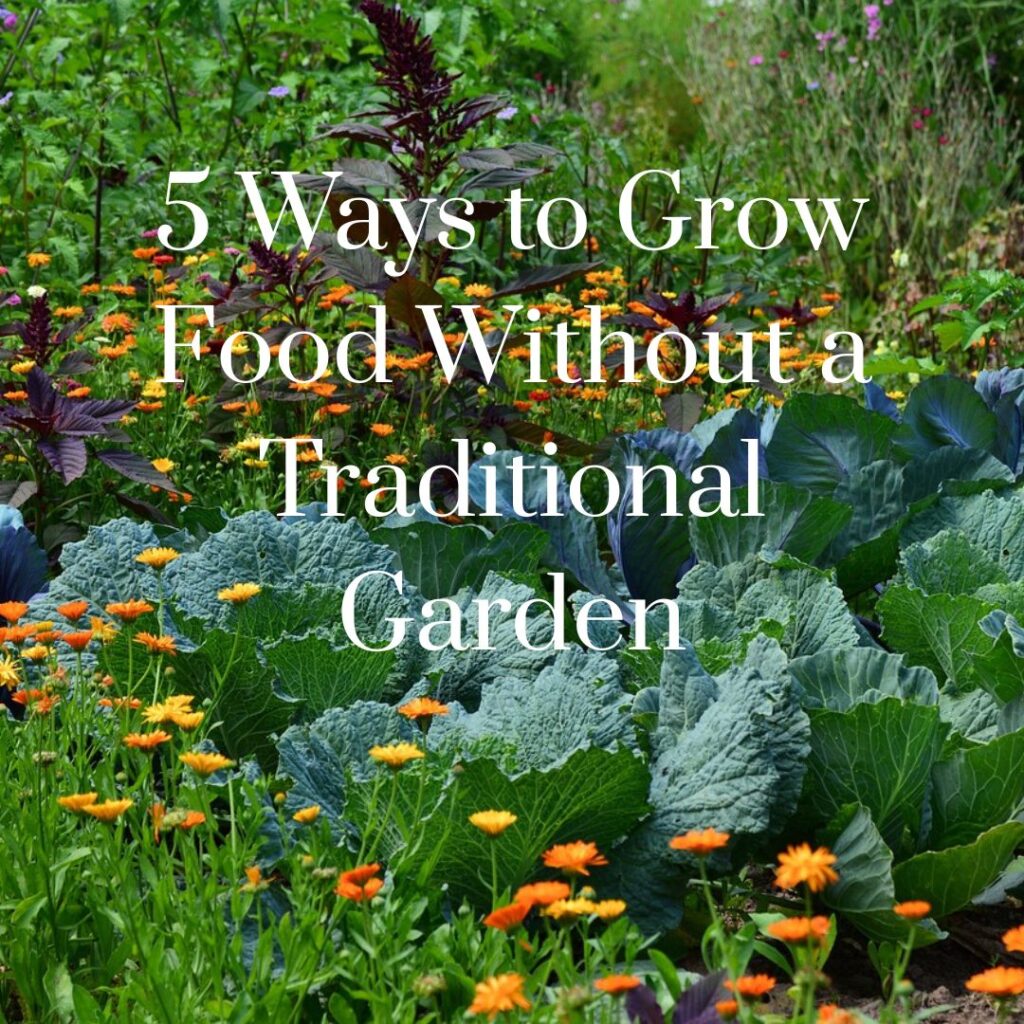
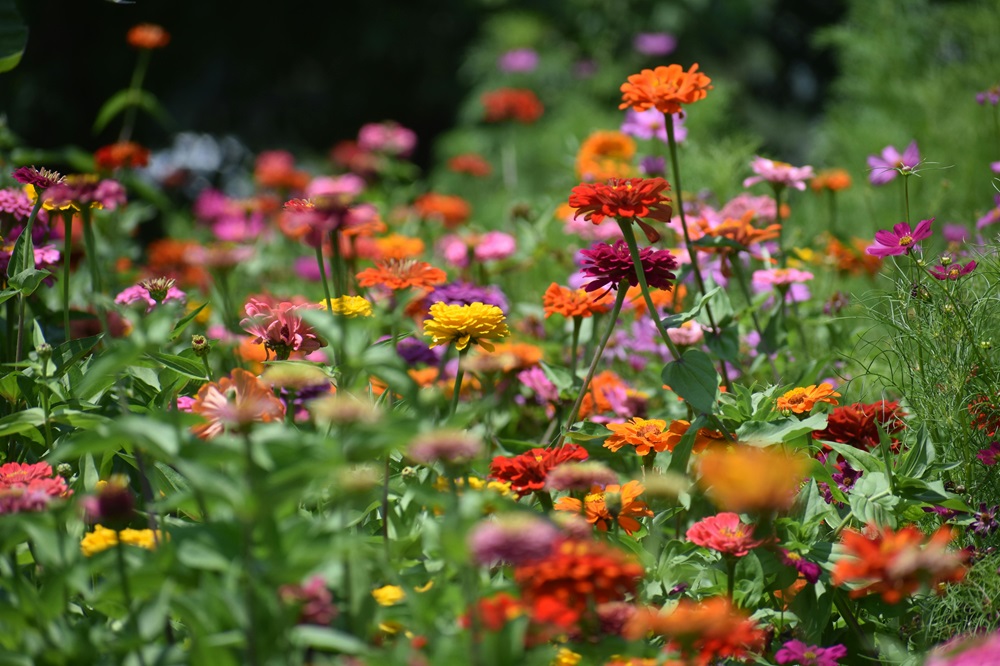
Edible landscaping means replacing traditional ornamental plants with edible ones—without sacrificing beauty. You can design a gorgeous yard or flowerbed that just happens to feed you, too.
Why it works: It integrates food-growing into existing landscapes and public-facing spaces like front yards, entryways, or sidewalk strips.
Best for: Homeowners, people with small yards, sunny flowerbeds
What to grow:
Rainbow chard (bright stalks + delicious leaves)
Blueberry bushes
Edible flowers like nasturtiums and calendula
Herbs as border plants (e.g., rosemary, lavender, oregano)
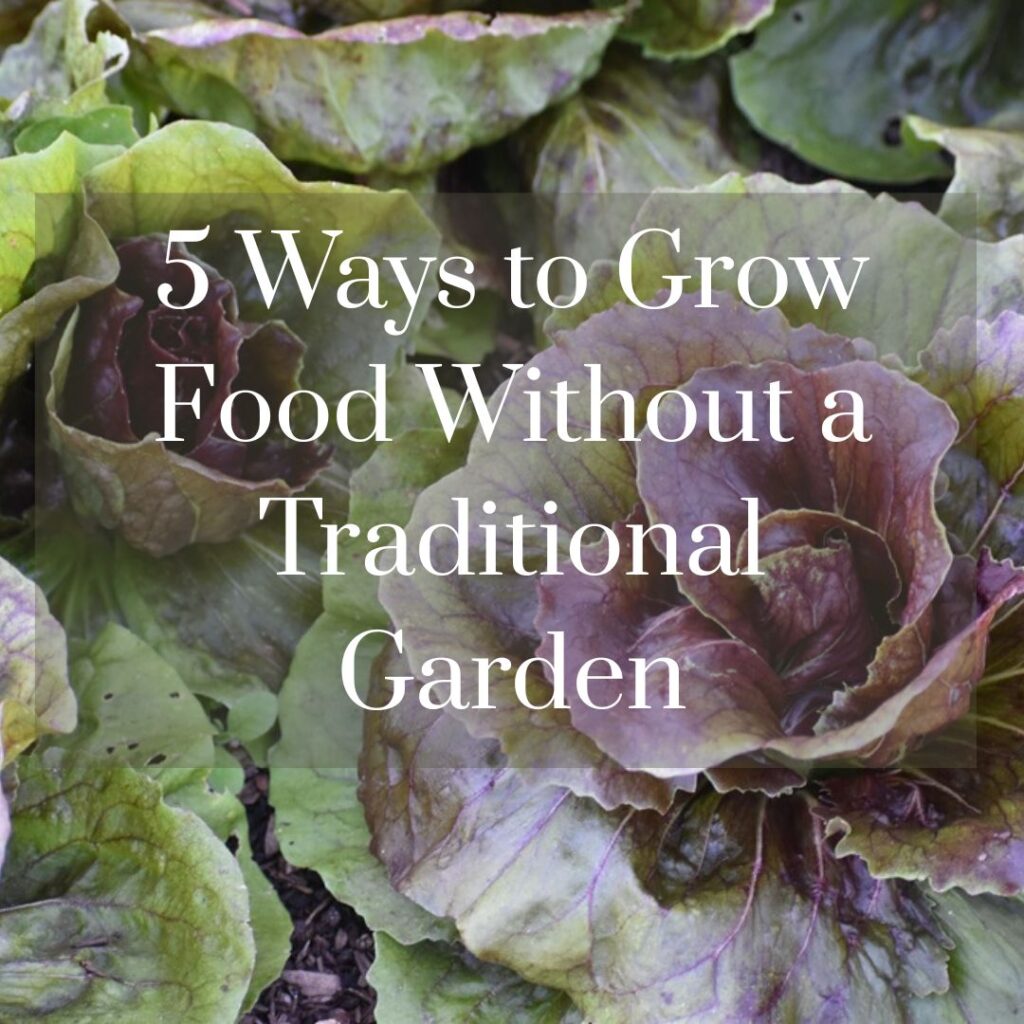
Ornamental kale and lettuce
Tips for success:
Pair with pollinator plants to support bees and butterflies
Use companion planting for beauty and pest control
Add mulch for moisture retention and a finished look
Pro Tip: Many municipalities have relaxed front-yard garden restrictions in recent years—check local ordinances to be sure.
5. Community Garden Plots and Shared Spaces
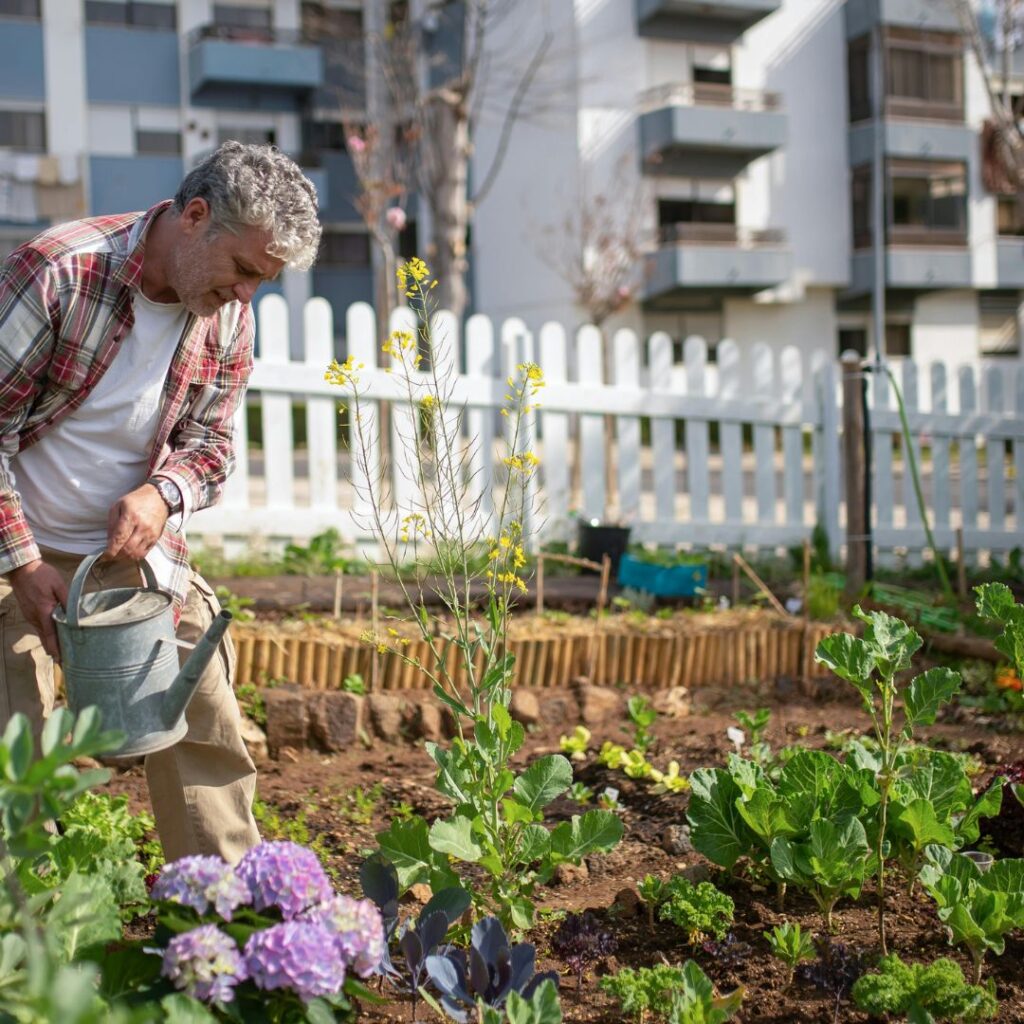
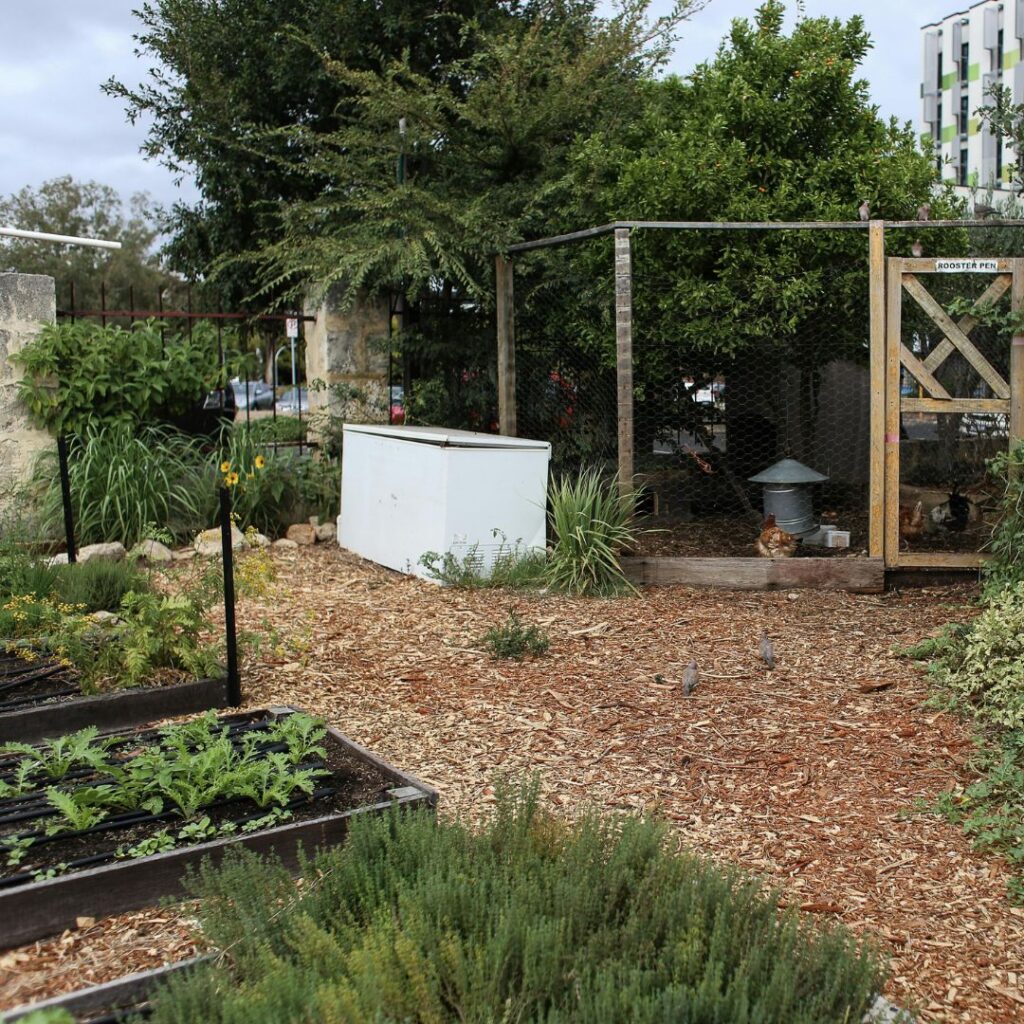
If you truly have no space at home, find a local community garden or shared plot. These often offer affordable access to garden beds, shared tools, and a built-in support network.
Why it works: It gives you real ground to grow in while connecting you with other local growers.
Best for: Apartment dwellers, urban gardeners, those seeking community
How to find one:
Search online or ask at your local library, parks department, or university extension office
Look for Facebook groups or local food initiatives
Visit local markets and ask where growers are planting
Benefits beyond food:
Education (many offer free classes)
Composting and soil sharing
Social connection and collaboration
Final Thoughts
Growing your own food doesn’t have to mean rows of crops or a big backyard. With creativity, planning, and the right tools, you can cultivate a garden just about anywhere—on balconies, windowsills, walls, or even buckets of water.
Whether you go with containers, hydroponics, vertical setups, or a nearby community plot, these approaches can empower you to grow what you eat, reduce your grocery bills, and build a deeper connection to your food.
Start small, experiment, and enjoy the process. Your personal food-growing journey starts wherever you are.
Want more gardening inspiration? Join the Adventures in Botany Community and connect with fellow plant lovers! Follow us on, Instagram, TikTok, and YouTube for more gardening tips, DIY projects, and nature-inspired content.