When you think about a thriving garden, visions of lush greenery and colorful blooms might come to mind. But underneath all that beauty lies the true hero: the soil. Healthy soil is the foundation of successful gardening, yet it’s often the most overlooked element. Understanding the science behind soil — its composition, pH, microbiology, and nutrient content — can make the difference between struggling plants and a thriving paradise.
Whether you’re growing vegetables, flowers, or native plants, taking the time to learn about and care for your soil pays off. In this guide, we’ll dive into the basics of soil science, show you how to test your soil, and offer practical strategies for improving it. Let’s dig in!
What Is Soil Made Of?
Soil is much more than “dirt.” It’s a living, dynamic ecosystem made up of:
Minerals (45%): Sand, silt, and clay particles that come from weathered rock.
Organic Matter (5%): Decomposed plants and animals that enrich soil structure and fertility.
Water (25%): Essential for plant roots and soil microbes.
Air (25%): Provides oxygen for plant roots and soil organisms.
Healthy soil has a balance of these components, allowing for strong root growth, nutrient availability, and proper drainage.
Understanding Soil Texture
Soil texture refers to the proportion of sand, silt, and clay particles:
Sandy soils drain quickly but don’t hold nutrients well.
Clay soils retain water and nutrients but can compact easily.
Silty soils are fertile but may drain poorly.
Loam is the ideal mix: about 40% sand, 40% silt, and 20% clay.
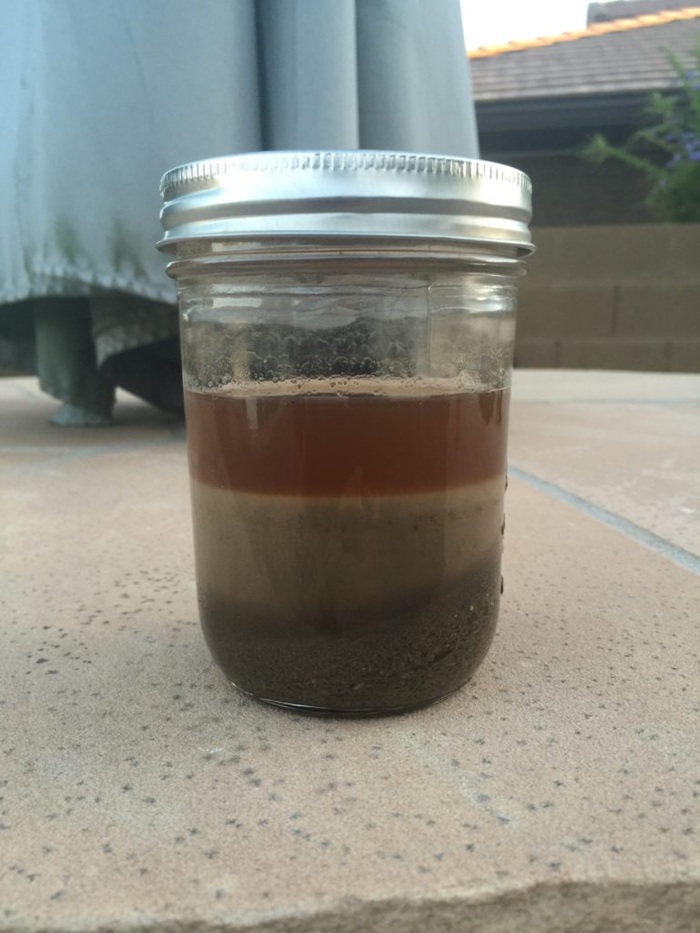
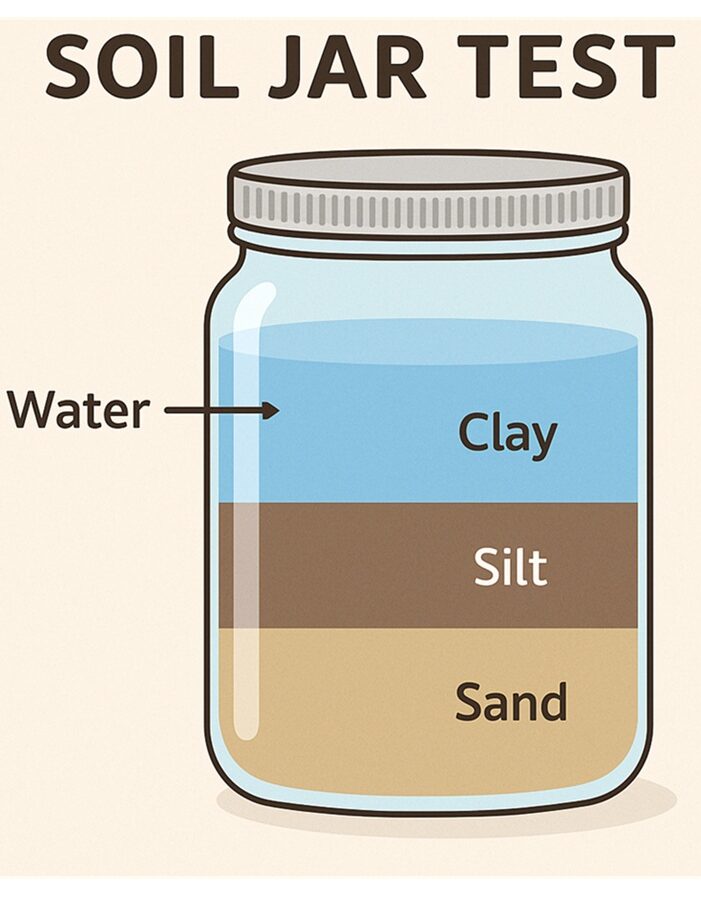
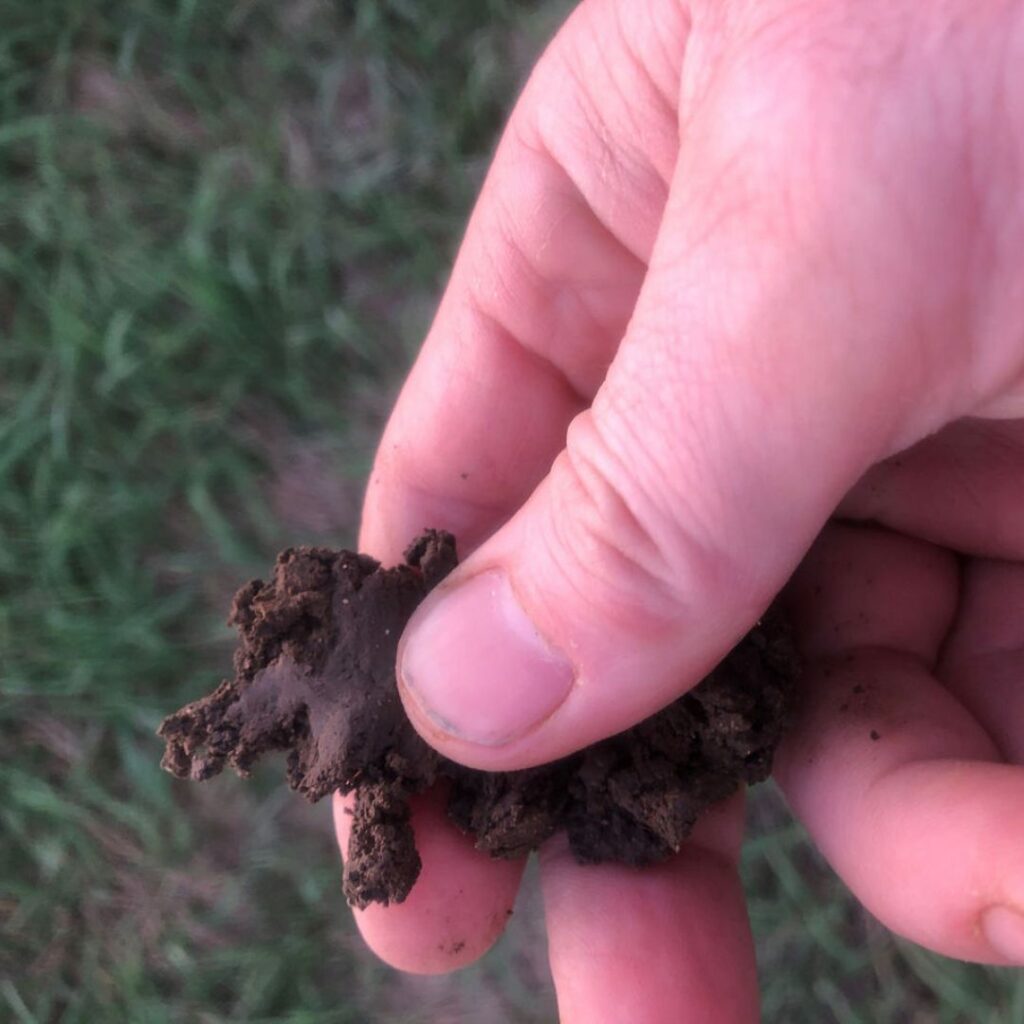
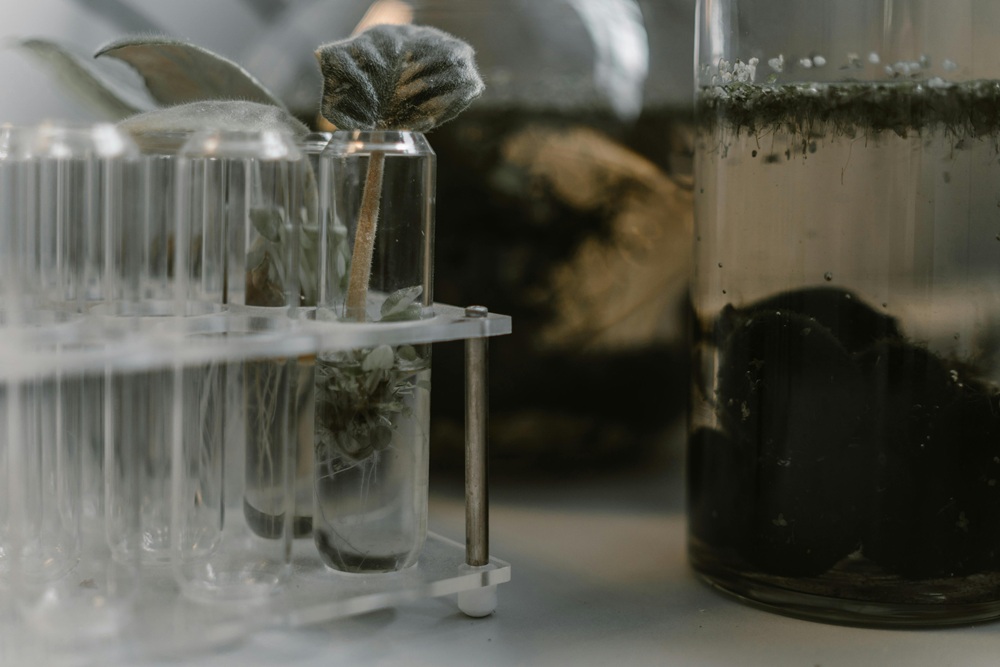
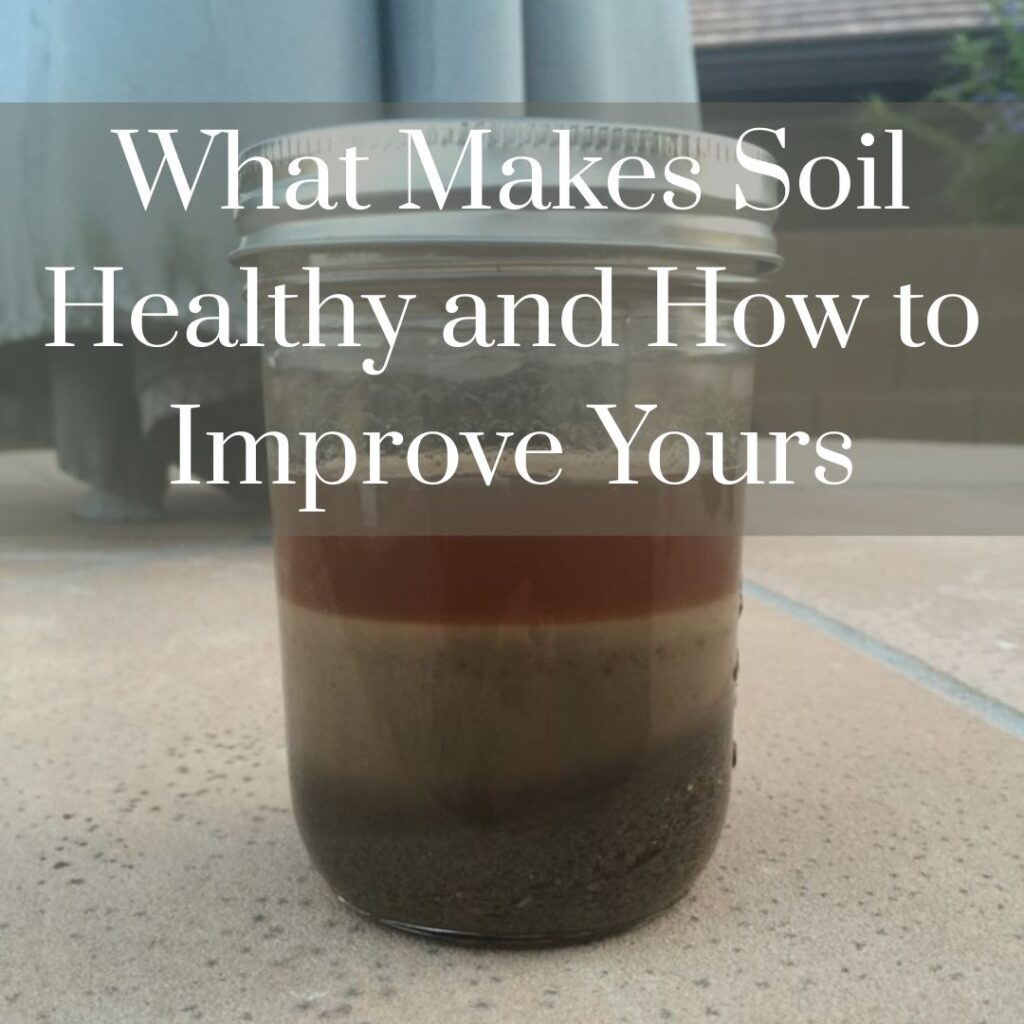
Tip: To test your soil texture at home, do a “ribbon test” or a “jar test.” For a ribbon test, take a small handful of soil and wet it a bit, then try to make a long ribbon with your fingers, the longer a ribbon you can make, the more clay your soil contains. For a jar test, fill a jar with soil and water, shake it, and watch how the particles settle out.
Example of a soil jar test
Diagram shows where clay silt and sand separate in a jar test.
Most plants do best in a soil mix that can make a 2-5 cm ribbon.
The soil texture pyramid looks complex, but the takeaway is that most plants do best in soil with a mix of clay, sand, and silt that allows for drainage, but is still compact enough to hold nutrients.
The Role of Soil pH
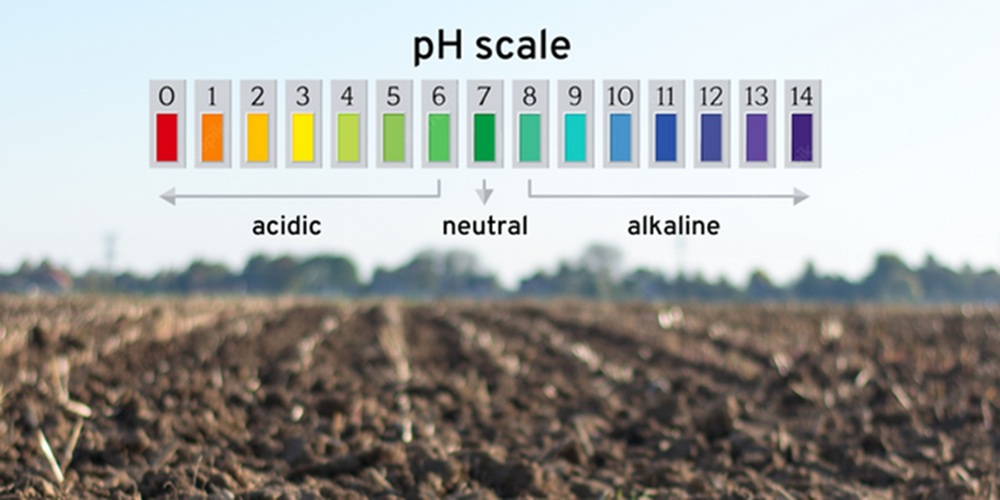
Soil pH measures how acidic or alkaline your soil is, on a scale from 0 to 14:
6.0 to 7.0 is ideal for most garden plants.
Below 6.0 means the soil is acidic (common in rainy climates like Hawaii).
Above 7.0 means the soil is alkaline.
Soil pH affects nutrient availability. For example, iron deficiency (chlorosis) is common in alkaline soils. Acidic soils may lock up calcium and phosphorus.
Testing: Use a pH meter or home kit. Amend with lime to raise pH or sulfur to lower it, but always retest after amendments.
Soil Microbiology: The Hidden Helpers
Healthy soil teems with life:
Bacteria help break down organic matter and fix nitrogen.
Fungi (especially mycorrhizal fungi) form symbiotic relationships with plant roots.
Nematodes, protozoa, and earthworms contribute to soil structure and nutrient cycling.
Adding compost, reducing tillage, and avoiding synthetic chemicals can encourage a thriving soil microbiome.
Essential Soil Nutrients
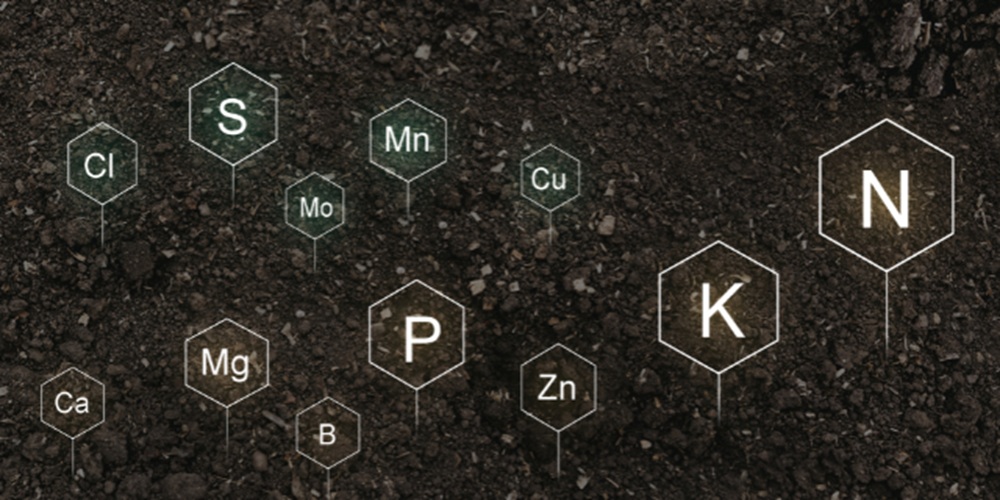
Plants need a mix of macronutrients and micronutrients:
Macronutrients:
Nitrogen (N): Promotes leafy growth.
Phosphorus (P): Supportsroot development and flowering.
Potassium (K): Enhances overall health and disease resistance.
Secondary Nutrients:
Calcium (Ca)
Magnesium (Mg)Soil
Sulfur (S)
Micronutrients:
Iron (Fe), Manganese (Mn), Zinc (Zn), Copper (Cu), Molybdenum (Mo), and Boron (B)
Tip: Over-fertilizing can cause as many problems as deficiencies. Always test before you amend.
How to Test Your Soil
1. At-Home Kits: Affordable and easy for quick pH and basic nutrient readings.
2. Professional Labs: Offer detailed analysis of texture, nutrient content, organic matter, and recommendations.
Steps for Testing:
Collect soil samples from multiple garden spots.
Mix them together for an average.
Follow the kit or lab’s instructions carefully.
How to Improve Your Soil
Add Organic Matter
Compost: Builds structure, feeds microbes, and balances moisture.
Mulch: Regulates temperature, retains moisture, and decomposes over time.
Correct pH Imbalances
Add lime to raise pH.
Add sulfur to lower pH.
Use Cover Crops
Plants like clover or buckwheat protect the soil, suppress weeds, and add nutrients when turned in.
Practice No-Till or Low-Till Gardening
Minimizing soil disturbance preserves soil structure and microbial life.
Rotate Crops and Diversify Plantings
Different plants have different nutrient needs and help break pest cycles.
Final Thoughts
Soil health is the invisible engine behind every thriving garden. When you take the time to understand your soil — its texture, pH, life, and nutrients — you empower yourself to create a flourishing, resilient garden ecosystem.
Building good soil isn’t a one-time fix; it’s an ongoing relationship. With care, observation, and a few smart practices, your soil will become more fertile, balanced, and alive each year.
Want more gardening inspiration? Join the Adventures in Botany Community and connect with fellow plant lovers! Follow us on, Instagram, TikTok, and YouTube for more gardening tips, DIY projects, and nature-inspired content.