Hydroponics is transforming how we grow food by removing one of the most traditional elements of gardening: soil. With a focus on water, nutrients, and innovative growing systems, hydroponics allows gardeners to grow fresh produce just about anywhere—including indoors, in greenhouses, or even in urban high-rises. This method of growing has become especially important in regions with limited arable land or unpredictable weather conditions.
Whether you’re a home gardener looking to produce herbs year-round or a sustainability-minded grower on the Big Island of Hawai‘i working with limited soil, hydroponics offers a smart, efficient, and rewarding way to garden.
What Is Hydroponics?
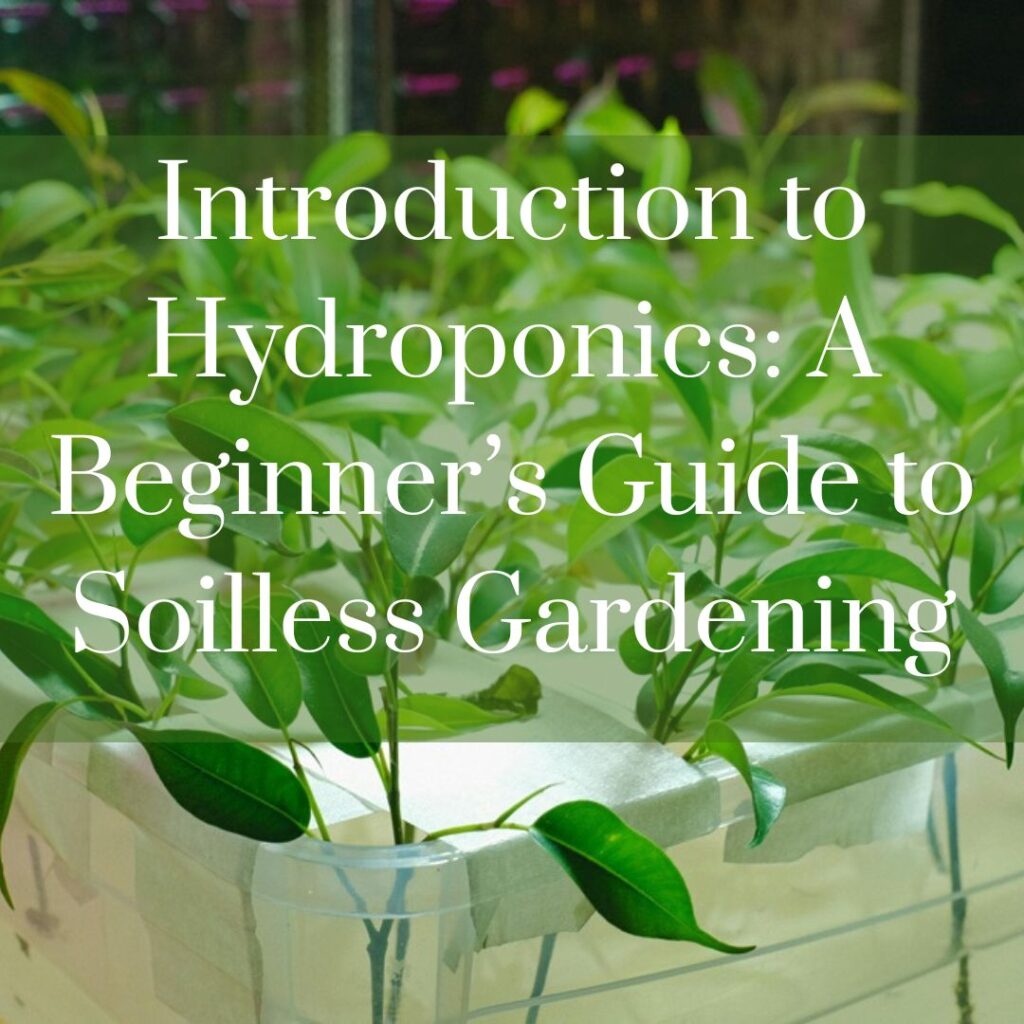
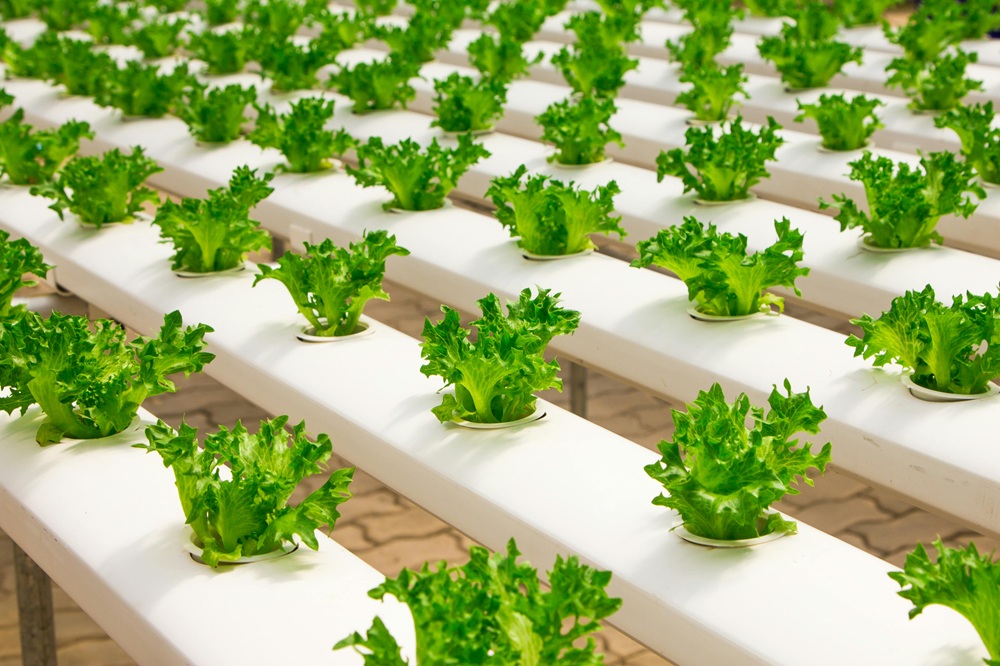
Hydroponics is a method of growing plants without soil by using a nutrient-rich water solution that delivers essential minerals directly to plant roots. Instead of rooting in soil, plants are supported by an inert medium such as perlite, coco coir, rockwool, or clay pellets.
This technique enables more control over nutrient delivery, water usage, and environmental conditions, leading to faster growth, higher yields, and reduced pest problems.
Why Hydroponics Works
Plants need light, water, carbon dioxide, and nutrients to grow. In traditional gardening, roots absorb nutrients dissolved in water from the soil. Hydroponics streamlines this process by skipping the soil entirely and providing those nutrients directly in water.
Here are a few reasons why hydroponics is effective:
Direct nutrient absorption: No competition from weeds or inefficient nutrient delivery.
Water conservation: Uses up to 90% less water than soil-based gardening.
Faster growth: Nutrients and water are always available, eliminating stress.
Space efficiency: Great for vertical systems and urban environments.
Year-round growing: Indoors or in greenhouses, hydroponics is not bound by seasons.
Types of Hydroponic Systems
There are several hydroponic methods, each with pros and cons. Here are the most popular types:
1. Deep Water Culture (DWC)
Plants are suspended in a nutrient solution with their roots submerged in oxygenated water. Air stones or pumps keep oxygen levels high.
2. Nutrient Film Technique (NFT)
A thin film of nutrient solution continuously flows over the roots in a sloped channel. The roots get oxygen from the air and nutrients from the film.
3. Ebb and Flow (Flood and Drain)
Plants sit in trays filled with growing media. The tray is periodically flooded with nutrient solution and then drained. This cycle repeats several times a day.
4. Wick System
A passive method where a wick draws nutrient solution up to the roots from a reservoir. It’s simple and inexpensive but not ideal for large plants.
5. Aeroponics
Roots hang in the air and are misted with nutrient solution at regular intervals. Requires fine control and high-tech equipment.
6. Drip System
A slow-drip method where nutrient solution is delivered directly to each plant’s base through tubing. It’s highly customizable and scalable.
Getting Started with Hydroponics
Starting a hydroponic system at home doesn’t have to be overwhelming. Here’s a step-by-step guide:
Step 1: Choose a System
Select a type of hydroponic system that fits your space, budget, and crop goals. A DWC or wick system is ideal for beginners.
Step 2: Gather Supplies
Reservoir (food-safe container)
Air pump and air stone (for oxygenation)
Growing medium (e.g., clay pebbles, coco coir)
Net pots or planting baskets
Nutrient solution (balanced NPK + micronutrients)
pH meter or test kit
Grow lights (if growing indoors)
Step 3: Mix Nutrients and Adjust pH
Follow instructions on your nutrient mix. Ideal pH range for most hydroponic plants is 5.5 to 6.5.
Step 4: Start with Easy Crops
Lettuce, basil, mint, and bok choy are excellent for beginners. Avoid root vegetables or large fruiting crops until you’re more experienced.
Step 5: Monitor and Maintain
Check pH and EC (electrical conductivity) daily.
Keep water temperature around 65-75°F (18-24°C).
Clean your system regularly to prevent algae and root rot.
Hydroponics in Hawai‘i: Opportunities and Challenges
On the Big Island, where soil quality can vary dramatically due to lava rock or heavy clay, hydroponics offers an exciting solution. Especially in high-rainfall or urban areas, growing in controlled environments can reduce weed pressure and nutrient runoff.
Hydroponics is also gaining traction among local farmers looking to grow high-value crops like greens, herbs, or strawberries for local markets or CSAs. With year-round sunshine and plenty of rainwater catchment options, Hawai‘i is uniquely suited for small- to medium-scale hydroponic production.
Challenges include:
High humidity (which can increase mold risk)
Managing water temperature
Sourcing affordable nutrients and equipment
Despite these, hydroponics remains a great option for sustainable growing in island environments.
Common Problems and How to Solve Them
Algae growth: Block light from nutrient solution using opaque containers.
Root rot: Ensure adequate oxygenation and prevent overwatering.
Nutrient deficiencies: Monitor EC levels and adjust your mix accordingly.
pH fluctuations: Use a pH buffer and check daily.
My Hydroponic System
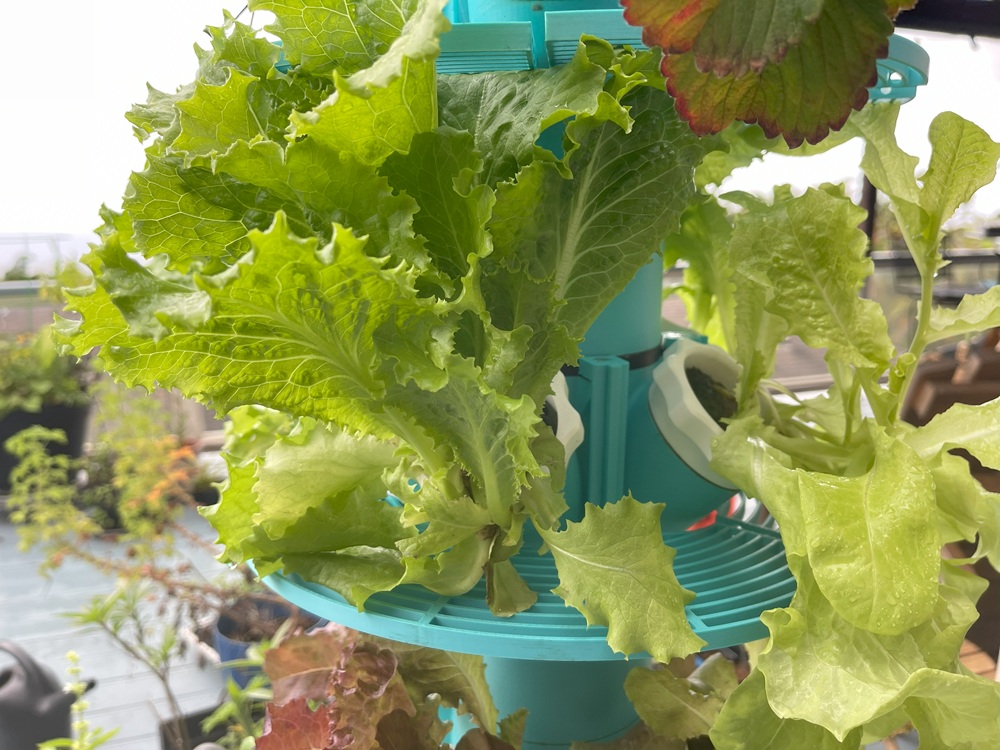
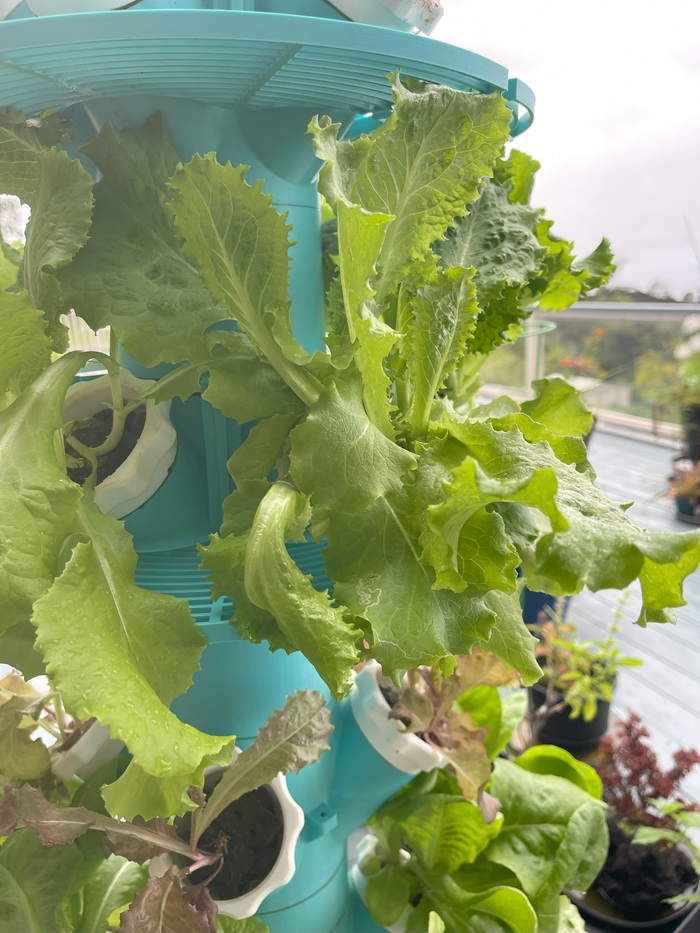
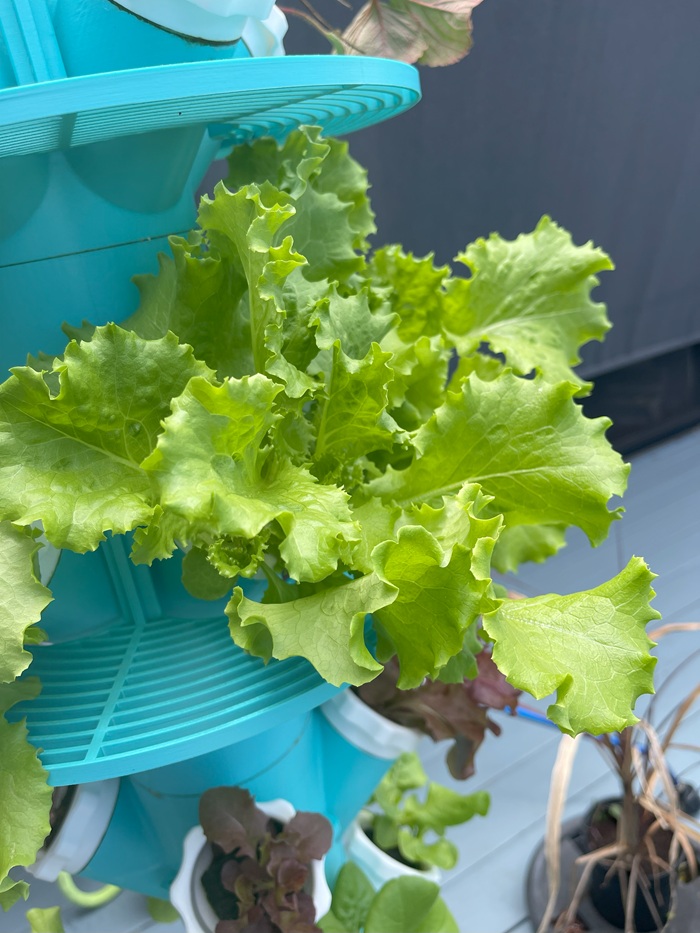
This is my first experiment with hyrdoponic growing, and so far, I’m loving it! My husband 3D-printed all of the parts except a 5 gallon bucket, an aquarium pump, and some plastic tubing. The plans for the 3D printing are open source, so anyone can use them. This is a very budget-friendly way to start hydroponic growing, total cost for this tower with space for 24 plants was about $150, compared to about $2000 for many commercially available hydroponic growing towers of similar size/capacity. In this setup, the water carried to the top of the tower by the aquarium pump, it “rains down” onto the plants’ roots, bringing them water and nutrients. This system is growing some beautiful lettuce and we’re beginning work on a second system now.
Hydroponics vs. Soil Gardening: Key Differences
| Feature | Hydroponics | Soil Gardening |
|---|---|---|
| Medium | Water/nutrient solution | Soil |
| Pest Issues | Fewer soil pests | Common |
| Water Use | Very low | Higher |
| Growth Speed | Faster | Slower |
| Startup Cost | Moderate to high | Low to moderate |
| Learning Curve | Steeper | Easier for beginners |
Final Thoughts
Hydroponics is a modern, efficient way to grow your own food. Whether you’re an apartment dweller with a windowsill garden or a Hawai‘i resident managing poor soil conditions, hydroponics can help you produce clean, healthy, and abundant plants.
With patience and observation, you’ll gain confidence and success in this exciting gardening method. As with all gardening, experimentation and attention are your best tools. Don’t be afraid to start small and scale up as you learn.
Want more gardening inspiration? Join the Adventures in Botany Community and connect with fellow plant lovers! Follow us on, Instagram, TikTok, and YouTube for more gardening tips, DIY projects, and nature-inspired content.